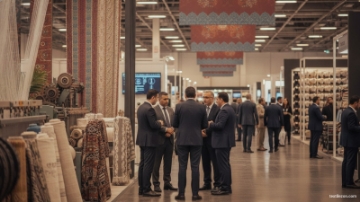
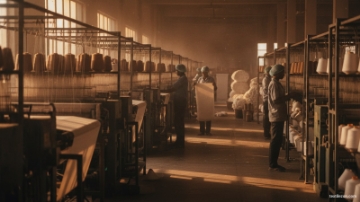
Spain and Uzbekistan are deepening their textile trade relationship following high-level talks between officials from both countries. Tashkent region governor Zoir Mirzaev's visit to Spain marked a pivotal step in bilateral cooperation across the sector. Both nations identified concrete opportunities to expand trade in raw materials, finished goods, and manufacturing expertise.
High-Level Talks Drive Textile Trade Forward
The discussions focused on developing the textile industry within the Tashkent region and opening export channels to European markets. Spanish promotion and consulting company representative Aleksandro Pastrana played a central role in shaping the collaborative agenda. Heads of major textile enterprises in the region joined sessions via Zoom, presenting their production capabilities and export potential directly to Spanish counterparts.
Both sides explored pathways for entering European markets through direct contact with Spanish investors and entrepreneurs. Talks covered expanding supplies of both raw materials and finished textile goods into Spain and broader European networks.
European Market Entry as a Core Priority
Uzbekistan's textile exporters have identified Europe as a priority destination for growth. The Tashkent region hosts significant textile clusters whose product quality attracted strong interest from Spanish stakeholders during the talks. Establishing direct contacts with European buyers and investors remains a primary objective of this cooperation framework.
- Direct business links between Tashkent region manufacturers and Spanish investors
- Expanded raw material and finished goods supply to European markets
- Joint project proposals and structured business meetings involving European firms
- Long-term bilateral cooperation in the global textile sector
Technology, Standards, and Branding Upgrades
Special attention focused on aligning Uzbekistan's textile production with international quality standards. Participants discussed adopting modern production technologies and upgrading design and branding capabilities to meet European consumer demands. This modernization agenda is critical for Uzbek exporters competing in premium European markets.
Both parties agreed to continue practical efforts toward long-term, mutually beneficial cooperation in the textile sector. Joint projects and business meetings involving European companies were proposed as immediate next steps.
Frequently Asked Questions
What was the purpose of Zoir Mirzaev's visit to Spain?
Tashkent region governor Zoir Mirzaev visited Spain to advance textile trade cooperation, focusing on expanding export opportunities to European markets and establishing direct business contacts with Spanish investors.
Which areas of the textile industry did the talks address?
The discussions covered raw material and finished goods exports, international quality standards compliance, modern production technology adoption, and design and branding improvements to meet European consumer expectations.
What are the next steps for Spain-Uzbekistan textile cooperation?
Both sides proposed joint projects and structured business meetings involving European companies, agreeing to pursue long-term, mutually beneficial cooperation in the global textile sector.
This bilateral initiative underscores growing European interest in Central Asian textile production. Uzbekistan's expanding textile sector positions the country as a competitive supplier in global markets. B2B professionals can follow emerging trade partnerships and global sourcing trends through the textile news section on textilezon.com. Spain and Uzbekistan's cooperation sets a model for Central Asian producers seeking deeper integration into European supply chains.