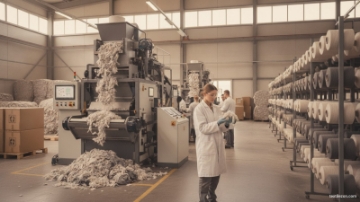
Ireland's Department of the Environment has launched a formal industry consultation on the country's forthcoming Textile EPR delivery plan. The consultation invites expert stakeholder input that will directly shape the final regulatory framework. The primary objective is to establish a structured pathway for meeting legal obligations under the revised EU Waste Framework Directive.
Supporting Ireland's Circular Economy Strategy
The textile EPR delivery plan serves as a key instrument for meeting both international and domestic sustainability commitments. It is designed to support the Whole of Government Circular Economy Strategy 2026-2028 and aligns with the National Policy Statement and Roadmap on Circular Textiles 2026-2028. These linked frameworks give the Irish government a cohesive approach to textile waste management. For the latest updates on sustainability regulations affecting the sector, visit textilezon.com's Info Center.
By synchronizing EU-level directives with national policy goals, Ireland aims to transition its textile sector away from linear production models. Manufacturers, importers, and distributors all fall within the scope of the forthcoming obligations.
Mandatory EPR Scheme and the Role of the PRO
The delivery plan proposes a mandatory Extended Producer Responsibility scheme underpinned by a dedicated producer responsibility organisation (PRO). This body will design, implement, and oversee the national scheme. All PRO operations will remain consistent with the waste hierarchy at every stage of the process.
Under this model, companies placing garments and fabrics on the Irish market will bear direct financial and logistical responsibility for their products' end-of-life management. The PRO structure embeds circular economy principles into commercial textile operations across the country.
EU Legislative Timeline and the Polluter Pays Principle
The regulatory momentum traces back to the EU Strategy for Sustainable and Circular Textiles, published in March 2022. A July 2023 proposal followed to revise the Waste Framework Directive, making EPR schemes mandatory across all EU member states. The revised Directive officially entered into force on October 16, 2025, setting a binding legal deadline for national implementation.
The Directive reinforces the 'polluter pays' principle, holding textile producers directly accountable for the environmental and financial consequences of product end-of-life management. It specifically targets the impact of fast fashion and seeks to improve collection and recycling rates across Europe. Ireland's current consultation is the direct national response to these binding EU mandates.
The textile industry now faces significant structural change as EPR obligations move from legislative proposal to active enforcement. Businesses that engage with the consultation process will be better positioned to influence scheme design and prepare operations for compliance ahead of implementation deadlines.
Frequently Asked Questions
What is Ireland's Textile EPR Plan?
Ireland's Textile EPR Plan is a government delivery framework establishing a mandatory Extended Producer Responsibility scheme for the textile sector. It outlines how producers will fund and manage the collection and recycling of textile waste in line with EU law.
Which EU legislation requires Ireland to implement a textile EPR scheme?
The revised EU Waste Framework Directive, which entered into force on October 16, 2025, mandates EPR schemes for textiles across all member states. The EU Strategy for Sustainable and Circular Textiles, published in March 2022, provided the strategic foundation for this legislative requirement.
How will the textile EPR scheme affect businesses operating in Ireland?
Textile producers, importers, and distributors operating in Ireland will be required to register with the designated producer responsibility organisation and contribute financially to textile waste management. The scheme places end-of-life responsibility directly on those who place products on the Irish market.