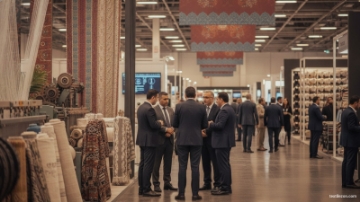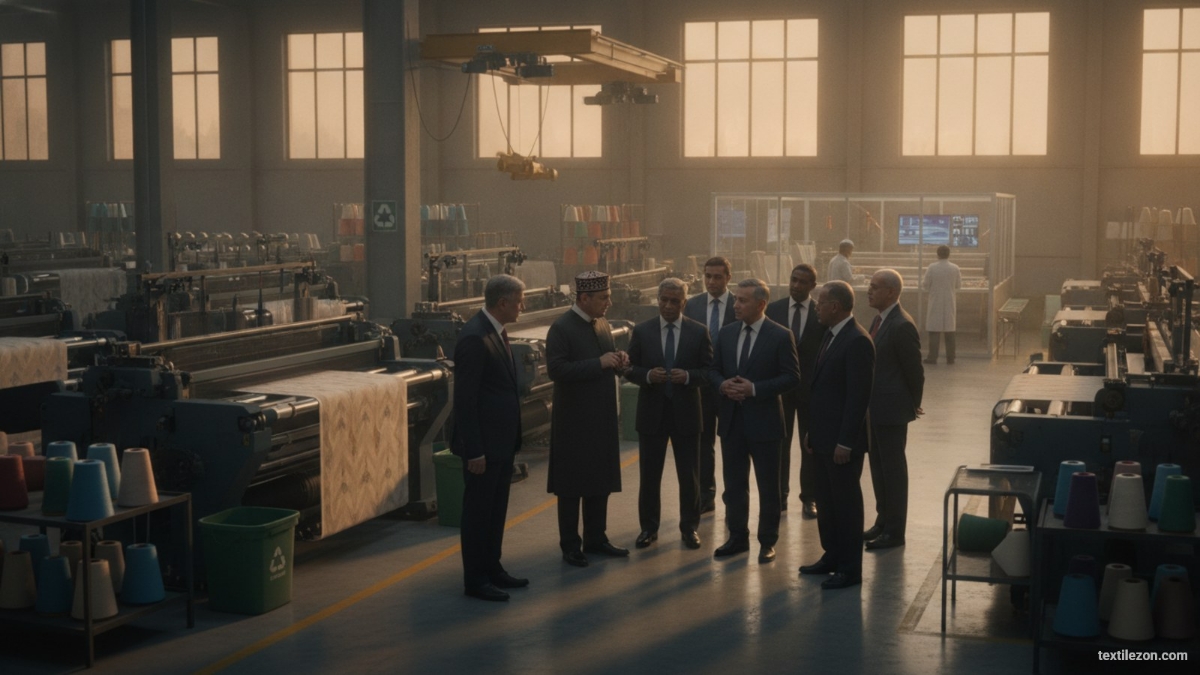
Nigeria's textile revival push reached a decisive stage when Vice President Kashim Shettima led six state governors on a strategic study visit to the Benin Republic. The official delegation examined established industrial development models to identify strategies for rebuilding Nigeria's manufacturing sector from raw cotton production to finished garment output. The mission reflects a renewed federal commitment to restoring the textile industry's role as a generator of employment and non-oil export revenue.
Examining Benin Republic's Industrial Development Model
The delegation toured an operational industrial zone in the Benin Republic, evaluating policy frameworks, infrastructure arrangements, and investment strategies that have sustained manufacturing growth in the neighboring country. Officials closely studied how integrated industrial parks, consistent government policy, and active private sector participation combine to generate employment and expand export capacity.
Nigerian authorities indicated that insights from the visit will directly inform national initiatives to reconstruct the full textile value chain. Coverage spans every stage — from raw cotton cultivation and fiber processing to yarn spinning, fabric production, and garment manufacturing for domestic and export markets.
Addressing the Sector's Long-Term Challenges
Nigeria's textile trade was once one of the nation's largest employers, supporting thousands of jobs and contributing meaningfully to national economic output. A prolonged contraction — driven by smuggling, elevated production costs, inadequate infrastructure, and restricted access to financing — gradually eroded the sector's workforce and productive capacity.
Federal authorities argue that revitalizing the textile industry can stimulate domestic manufacturing, reduce reliance on foreign textile imports, generate employment, and grow non-oil export earnings. Analysts note that sustained investment in power, transport, industrial facilities, skills development, and supportive commercial policies will be necessary for lasting recovery.
Regional Cooperation and Industry Outlook
The study tour reflects deepening economic collaboration between Nigeria and the Benin Republic as both nations work to strengthen trade relations, investment flows, and regional industrial development. Adopting proven industrial models from a neighboring country could accelerate Nigeria's manufacturing targets while advancing broader economic diversification under the federal government's industrialization agenda.
For B2B stakeholders — textile manufacturers, exporters, importers, and sourcing professionals — the government's renewed engagement signals potential incentive structures and infrastructure investment in the pipeline. Stay current on Africa's evolving textile sector through the textile news section on textilezon.com.
Nigeria's textile revival agenda now carries institutional support from the highest level of federal government, positioning the sector for meaningful structural reform. The delegation's findings are expected to shape industrial policy decisions that could reestablish Nigeria as a competitive textile manufacturing hub in West Africa.
Frequently Asked Questions
Why did VP Shettima visit the Benin Republic?
The visit focused on studying Benin Republic's industrial development models — specifically how integrated industrial parks and consistent government policy support manufacturing growth. Nigeria plans to adapt these strategies to accelerate its textile revival and rebuild the sector's full value chain.
What challenges has Nigeria's textile industry faced?
The sector experienced a prolonged decline due to smuggling of cheap imports, high production costs, inadequate power and transport infrastructure, and limited access to affordable financing. These combined pressures caused significant job losses and reduced industrial output over many years.
How will the delegation's findings be applied?
Information gathered during the study tour will guide national policy frameworks designed to rebuild Nigeria's full textile value chain — from cotton farming through to garment manufacturing and export. These insights will feed directly into the federal government's broader industrialization and economic diversification program.