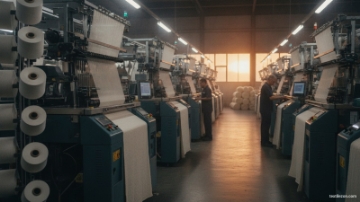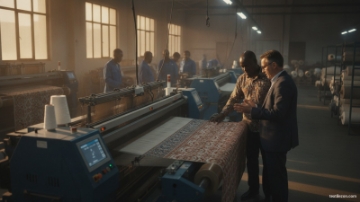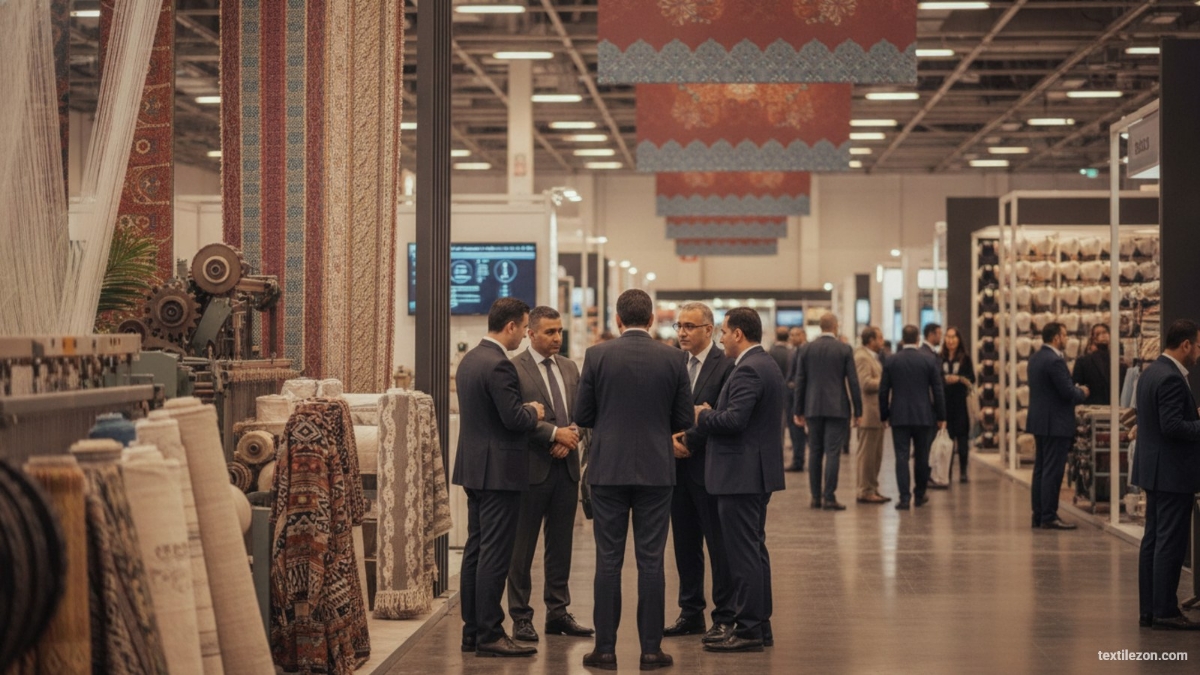
The Syrian textile industry is taking its first concrete steps toward recovery. The Nas Tex 2026 trade fair, held over four days at the Aleppo industrial fairgrounds, drew more than 300 companies from approximately 20 countries. Government officials and business leaders called the event a pivotal moment in rebuilding a sector devastated by years of conflict.
Syria's Textile Heritage Before 2011
For decades, commercial hubs in Aleppo and Damascus produced high-grade fabric for Arab and European markets. Syrian craftsmen supplied premium textiles — including material reportedly used in the wedding gown of Britain's Queen Elizabeth II. Locally grown cotton, a skilled workforce, and competitive pricing drove strong export volumes, with raw cotton output reaching approximately 1 million tonnes per year in the early 2000s.
The conflict that began in 2011 dismantled these operations. Factories closed, skilled workers relocated to neighboring countries, and cotton production collapsed dramatically. Industry sources allege that Turkey received manufacturing machinery from northern Syrian facilities — a claim Ankara has consistently denied.
Labor Cost Advantages and Returning Investors
Wissam Muhaysin, representing textile equipment firm Sardaro Muhaysin, highlighted Syria's competitive labor advantage. Monthly minimum wages in Turkey stand at approximately $1,000 excluding benefits, while Chinese workers average around 5,000 renminbi ($800–$900) per month. Syrian workers offer comparable skill levels at significantly lower cost, with geographic proximity to European and Gulf markets reducing freight costs further.
Early investor confidence is already visible. Makram Shattahi, vice-president of the Syrian-Chinese Business Council, confirmed a twinning agreement with Suzhou Land Group. The partnership will develop the Sheikh Najjar industrial city in Aleppo, establish a specialized furniture zone, and build a technical training center. Strong machinery and production line sales at Nas Tex 2026 signal that factory owners are actively preparing to restart operations.
Syrian Textile Recovery: Government Data and Industrial Zones
Official government statistics recorded over 24,000 textile facilities nationwide in 2024, accounting for nearly 19% of all industrial operations. However, only 56.8% of these establishments are currently active, leaving more than 10,000 facilities idle.
Minister of Economy and Industry Nidal al-Shaar stated that annual cotton yields could reach between 300,000 and 400,000 tonnes if sufficient investment reactivates dormant processing plants. Recovery efforts center on three key manufacturing zones:
- Sheikh Najjar industrial city in Aleppo
- Adra industrial zone in the Damascus countryside
- Hassia industrial city in Homs
The removal of Western sanctions earlier this year has reduced entry barriers for foreign investors. Operational challenges persist, however. Limited local yarn quality forces producers — including Hussam Othman's family enterprise, active for nearly 70 years — to import raw yarn primarily from India. High fuel and energy costs add further pressure on manufacturers.
Grassroots craft restoration is also gaining traction. Ahmed Dubeik is reviving silkworm breeding and traditional silk dyeing, currently relying on manual machinery, with modern reeling equipment planned to standardize quality and support export growth. For the latest global textile trade updates, explore the textile news section on Textilezon.
Frequently Asked Questions
What was the Nas Tex 2026 exhibition?
Nas Tex 2026 was a four-day textile trade fair held at the Aleppo industrial fairgrounds in Syria, attracting more than 300 companies from approximately 20 countries. The event served as a key signal of renewed international interest in Syria's manufacturing sector recovery.
Why did the Syrian textile industry decline after 2011?
The 2011 conflict destroyed factories, scattered skilled workers to neighboring countries, and caused raw cotton output — which had reached 1 million tonnes annually in the early 2000s — to collapse sharply. Manufacturing knowledge and personnel relocated primarily to Turkey and Egypt.
What are the main challenges facing Syria's textile sector today?
Manufacturers face limited local yarn quality requiring imports mainly from India, alongside high energy costs and insufficient domestic demand. More than 10,000 textile facilities remain inactive, and restoring full capacity depends on attracting sustained foreign investment.
The Syrian textile industry's revival is advancing on multiple fronts — through international trade engagement, foreign investment agreements, and craft restoration initiatives. With sanctions removed and industrial zones earmarked for development, Syria is repositioning as a competitive textile sourcing destination for regional and global buyers.