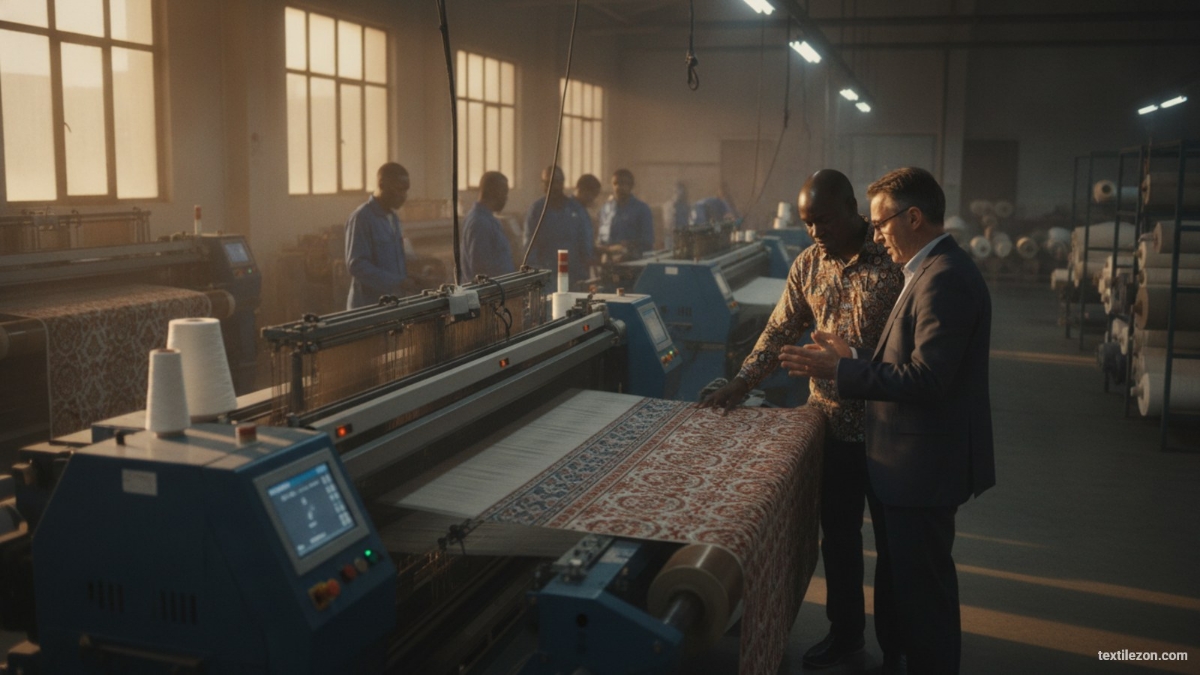
Cameroon's textile industry stands at a strategic crossroads. The country's Chamber of Agriculture, Fisheries, Livestock and Forestry (CAPEF) has launched formal discussions with Tunisia's Textile Technical Centre (CETTEX) to accelerate domestic cotton processing and drive textile sector growth.
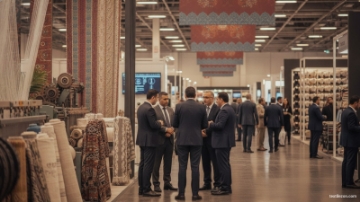
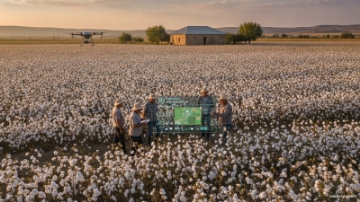
The initiative unfolded during an economic mission to Tunisia led by CAPEF President Martin Paul Mindjos Momeny. Cameroon produces over 300,000 tonnes of cotton annually, yet exports most of it in raw form — a gap this partnership directly aims to close.
Strengthening Cameroon's Cotton Value Chain
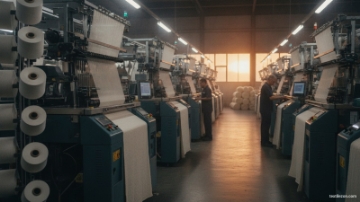
The core ambition of this partnership is building an integrated cotton value chain in Cameroon. That means developing industrial capacity spanning from raw production through spinning, weaving, garment manufacturing, and the marketing of finished textile products.
During talks with CETTEX Director General El Mohsen Missaoui, both institutions reviewed an agenda covering advanced textile manufacturing, technology transfer, quality control systems, innovation support, and training programs for SMEs and skilled artisans.
The push aligns with Cameroon's National Development Strategy (NDS30), which prioritizes local value addition in agriculture-based sectors. Data from the Ministry of Agriculture and Rural Development and SODECOTON confirms that national cotton output has consistently remained above 300,000 tonnes in recent years, illustrating the sector's untapped industrial potential.
Tunisia's Model as a Blueprint for Growth
CETTEX presented Tunisia's established textile development model as a reference framework for Cameroon. Tunisia has built its sector on strategic investment in advanced technology, continuous skills development, innovation pipelines, and strong industrial support services.
Both institutions identified concrete collaboration opportunities tailored to Cameroon's market needs:
- Specialized production of professional workwear for domestic and regional markets
- Manufacture of printed fabrics designed for diverse African consumer markets
- Targeted training programs for artisans and SMEs in textile processing
- Triangular cooperation projects involving European and international industry partners
These initiatives are designed to position Cameroon as a competitive textile supplier under the African Continental Free Trade Area (AfCFTA). AfCFTA opens significant new market access across the continent, making regional manufacturing a key strategic priority.
Next Steps: Forming a Technical Working Group
CAPEF and CETTEX concluded their engagement by agreeing to establish a dedicated technical working group. This body will develop a formal, structured cooperation programme and present it to both Cameroonian and Tunisian authorities through established bilateral cooperation channels.
The agreement signals genuine commitment from both sides to translate dialogue into industrial action. For B2B stakeholders across Africa's textile supply chain, this emerging partnership could open new training pathways, manufacturing partnerships, and sourcing opportunities. Track related developments through the textile news section at textilezon.com.
Frequently Asked Questions
What is CAPEF's role in this textile initiative?
CAPEF — Cameroon's Chamber of Agriculture, Fisheries, Livestock and Forestry — initiated the bilateral talks with CETTEX. It is leading the effort to build Cameroon's cotton value chain under the NDS30 national development strategy.
Why does Cameroon export raw cotton instead of processed textiles?
Cameroon currently lacks sufficient domestic processing capacity to absorb its 300,000-tonne annual cotton output. This partnership with CETTEX targets that gap through technology transfer, specialized training, and manufacturing development support.
What markets will Cameroon's new textile capacity target?
The CAPEF-CETTEX partnership prioritizes printed fabrics for African markets and professional workwear as key product categories. The AfCFTA framework gives Cameroon expanded access to continental markets, making regional export a central element of the strategy.
This Cameroon-Tunisia textile cooperation marks a meaningful step toward industrial self-reliance for one of Central Africa's leading cotton producers. As the technical working group moves forward, the partnership is expected to attract further investment, skills resources, and international co-operation into Cameroon's growing textile manufacturing sector.