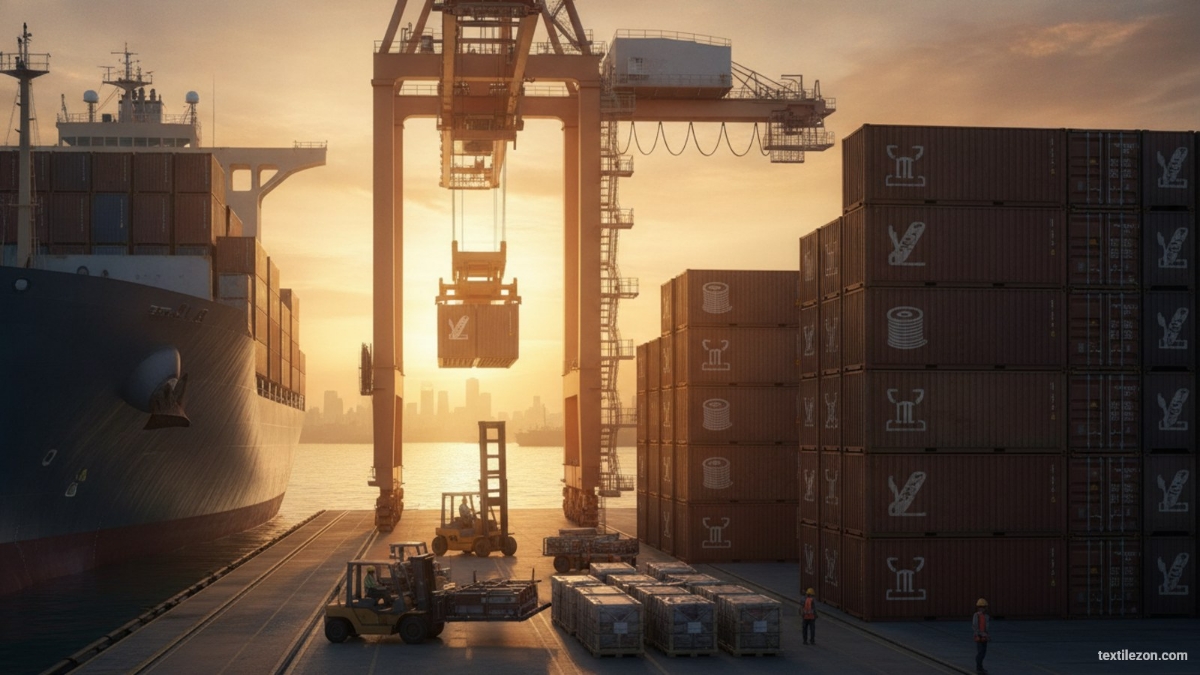
India is emerging as a key beneficiary of shifting global sourcing dynamics. Apparel exports from India are set to grow as China's market share contracts and a landmark UK free trade agreement creates new competitive advantages for Indian textile suppliers. A recent report by Motilal Oswal underscores the positive momentum building across the sector.
Growing optimism among global apparel retailers and brands reflects a meaningful shift in market conditions. Inventories are stabilising, sell-through rates are improving, and discretionary consumer spending is gradually recovering across key markets. These converging forces create a strong foundation for India's apparel export growth in the near term.
China's Retreating Market Share Opens New Doors
China has long dominated global apparel exports, but its share is contracting under pressure from rising production costs, geopolitical tensions, and active supply chain diversification by global brands. This structural shift is creating significant openings for alternative sourcing destinations, with India well positioned to capture a meaningful portion of redirected trade flows.
India's established textile manufacturing base spans cotton, man-made fibres, and value-added garments. Its cost competitiveness and expanding production capacity make it a natural choice for buyers looking to reduce dependence on Chinese suppliers. Global retailers are increasingly adopting multi-country sourcing strategies that include India as a primary destination.
UK Trade Deal Unlocks Preferential Market Access
The recently concluded UK-India Free Trade Agreement is a landmark development for India's apparel export sector. Preferential tariff access to one of Europe's largest fashion import markets gives Indian exporters a competitive pricing advantage over rivals from Bangladesh, Vietnam, and Sri Lanka who currently face standard import duties.
The deal is expected to drive incremental export volumes across garments, fabrics, and related textile products targeted at UK retailers and brands. Indian manufacturers with established quality certifications and compliance standards are best positioned to capitalise on this new market access opportunity.
- Preferential tariffs reduce India's price disadvantage versus competing sourcing countries
- UK fashion retailers and brands gain a more cost-competitive Indian supply base
- The agreement strengthens India's long-term position as a key UK apparel sourcing destination
Inventory Normalisation and Demand Recovery Support Growth
A critical near-term driver for India's apparel exports is the normalisation of inventory levels across global retail channels. After a prolonged period of destocking, Western retailers are returning to more regular ordering patterns, directly benefiting suppliers across the apparel export chain.
The Motilal Oswal report highlights that sell-through rates are rising and discretionary consumer spending on fashion is gradually recovering in key markets. For Indian exporters, this translates into renewed buyer confidence and improved order visibility. Follow the latest trade developments at the Info Center on textilezon.com.
Frequently Asked Questions
Why is India set to gain from China's shrinking apparel export share?
India offers competitive manufacturing costs, a broad and diversified textile production base, and growing export compliance capabilities. As global brands actively diversify supply chains away from China, India is a natural and scalable alternative to meet international buyer demand.
How does the UK trade deal benefit India's apparel exporters?
The UK-India Free Trade Agreement provides preferential tariff access to one of Europe's most important fashion import markets. This competitive advantage directly improves the pricing position of Indian garment and fabric exporters relative to rivals from Bangladesh and Vietnam.
What market conditions are supporting India's apparel export growth?
According to the Motilal Oswal report, global retail inventories are stabilising, sell-through rates are improving, and discretionary consumer spending is gradually recovering. These conditions are restoring buyer confidence and creating renewed demand for Indian apparel exports.
India's apparel export sector is entering a period of genuine structural and cyclical advantage. The convergence of China's retreating market share, the newly signed UK trade deal, and recovering global consumer demand positions Indian textile and apparel exporters to capture significant new business in the years ahead. Industry stakeholders should act now to strengthen buyer relationships and scale production capabilities to meet this rising global opportunity.