Chinese investment in Bangladesh's manufacturing sector is set to reach new heights as Prime Minister Tarique Rahman undertakes an official state visit to Beijing from June 23–26, 2026. The four-day trip signals Dhaka's firm intent to unlock foreign capital for its export-driven industries.
The Bangladesh Investment Development Authority (BIDA) has identified potential Chinese investments worth approximately US $400 million. These funds target manufacturing and export-oriented sectors, with the textile and apparel industry positioned as a primary beneficiary.
A High-Stakes Diplomatic Mission
Prime Minister Tarique Rahman's Beijing visit ranks among Bangladesh's most significant diplomatic engagements in recent years. The government has been actively courting foreign capital to expand industrial capacity and diversify its export base.
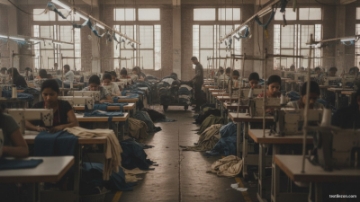
Bangladesh's garment sector drives the majority of the country's export revenue, making it a critical pillar of the national economy. Attracting Chinese investment could accelerate the country's push toward vertical integration and higher value-added manufacturing.
The $400 Million Investment Pipeline
BIDA has mapped out a pipeline of Chinese investment opportunities totaling around US $400 million. These investments target manufacturing and export-oriented industries, reflecting a strategic alignment between Bangladesh's growth priorities and China's industrial expansion goals.
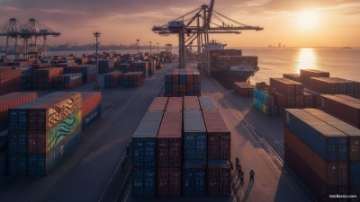
China is already Bangladesh's largest trading partner, supplying the bulk of raw materials for its garment sector. Deeper investment ties could reduce input costs and strengthen supply chain integration for Bangladeshi exporters.
- Target investment value: approximately US $400 million
- Facilitated by: Bangladesh Investment Development Authority (BIDA)
- Focus sectors: manufacturing and export-oriented industries
- Visit timeline: June 23–26, 2026
Impact on Bangladesh's Textile Sector
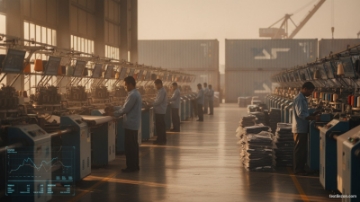
Bangladesh is among the world's leading garment exporters, and a fresh wave of Chinese capital could reinforce this standing. Investment in spinning mills, weaving units, and dyeing facilities would reduce the country's reliance on imported fabrics and yarn.
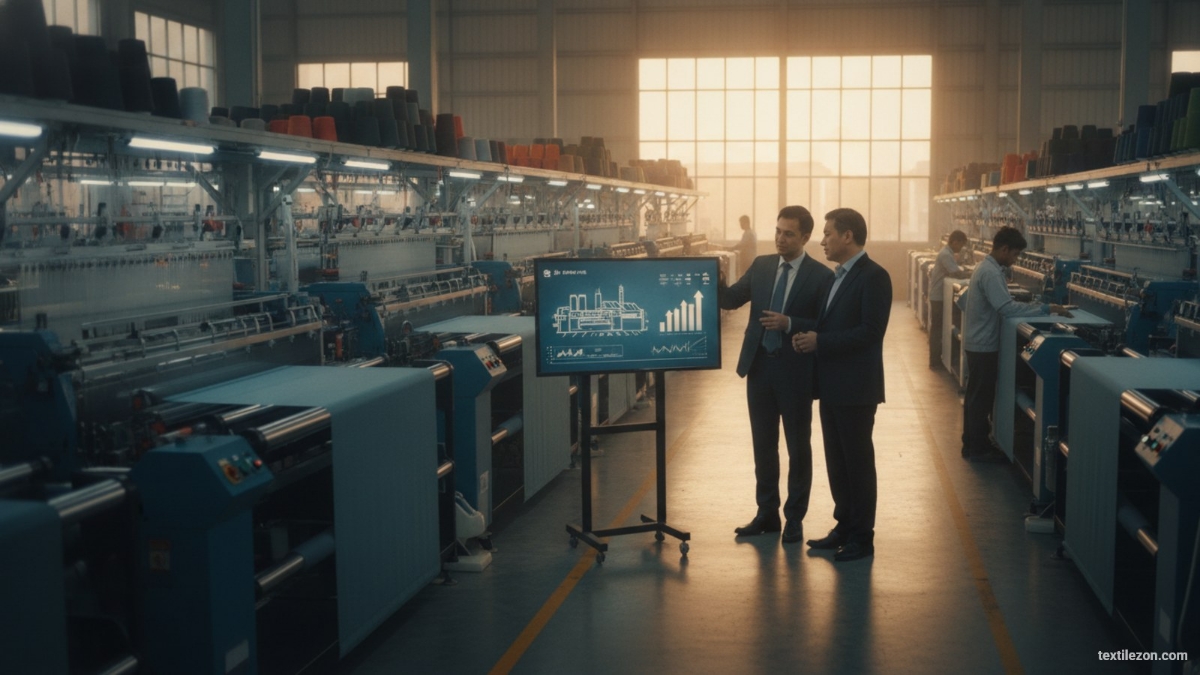
Vertical integration across the textile value chain is a long-standing strategic priority for Bangladesh. Chinese investment and technology transfers could fast-track this ambition, benefiting manufacturers, exporters, and global sourcing professionals alike.
Industry stakeholders and textile news followers should track how these investment leads translate into confirmed projects. For B2B buyers and apparel brands, improved supply chain depth in Bangladesh means greater reliability and more competitive pricing.
Frequently Asked Questions
Why is Bangladesh seeking Chinese investment in manufacturing?
Bangladesh is courting foreign capital to expand manufacturing capacity and advance vertical integration across its textile supply chain. Chinese investment brings both funding and technology transfer, raising the competitiveness of Bangladesh's export industries.
How much Chinese investment is Bangladesh targeting from this visit?
BIDA has identified potential Chinese investments worth approximately US $400 million in connection with Prime Minister Tarique Rahman's June 23–26 state visit to Beijing.
How could this investment affect global apparel buyers sourcing from Bangladesh?
New Chinese capital in Bangladesh's textile sector could improve supply chain depth, reduce raw material import dependency, and enhance production efficiency. Global apparel buyers stand to benefit through greater supply reliability and more competitive pricing from Bangladeshi manufacturers.
Bangladesh's active pursuit of Chinese capital during this state visit reflects a broader strategy to cement the country's position as a leading global manufacturing hub. The realization of the $400 million investment pipeline will serve as a key measure of Bangladesh's ability to attract and retain strategic foreign capital in an increasingly competitive global textile arena.