A landmark trade deal between the United States and Iran has brought renewed hope to global supply chains. Both nations announced a framework agreement, with a formal Memorandum of Understanding (MoU) scheduled for signing in Switzerland on 19 June 2026. The proposed agreement follows more than three months of ongoing conflict and includes provisions to end military operations and reopen the Strait of Hormuz.
Framework Agreement and MoU Timeline
The trade deal framework represents a significant diplomatic breakthrough after months of sustained conflict. Both governments confirmed Switzerland as the signing location for the MoU — a neutral venue with a well-established role in international negotiations.
The proposed terms address the two most consequential issues raised throughout the conflict. Ending military operations and restoring access to the Strait of Hormuz are listed as core provisions of the agreement.
Strait of Hormuz and Global Shipping
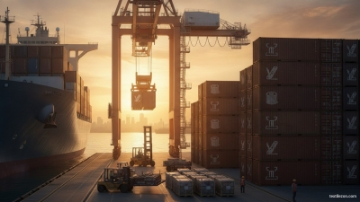
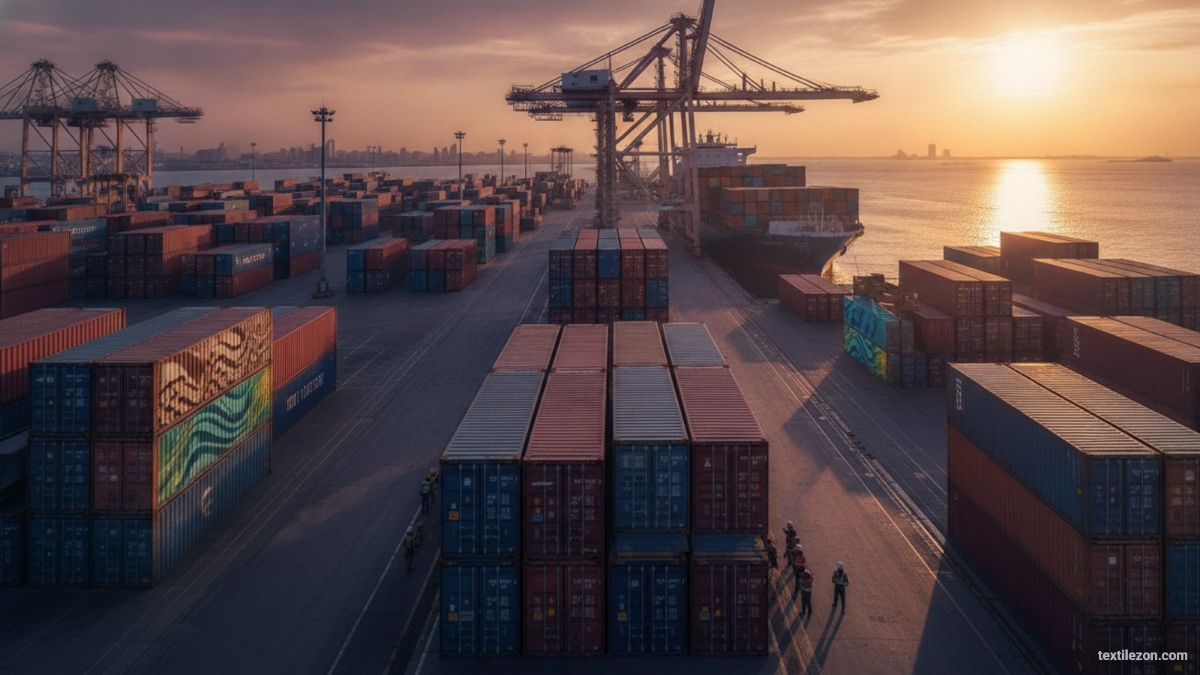
The Strait of Hormuz is one of the world's most critical maritime chokepoints. Located between Iran and Oman, it connects the Persian Gulf to the Gulf of Oman and serves as a primary transit corridor for international maritime trade.
For textile and apparel businesses, the Strait functions as a vital passage linking South and Southeast Asian manufacturing hubs with European and North American markets. Any sustained closure raises freight costs, delays shipments, and introduces uncertainty across global supply chains.
Impact on Textile and Apparel Trade
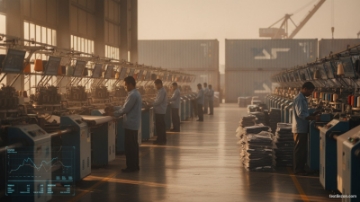
The three-month conflict placed measurable pressure on textile supply chains worldwide. Shipping rerouting requirements, freight rate volatility, and extended transit times all added to operational costs for exporters and importers across the industry.
With the framework deal now confirmed, manufacturers and traders can anticipate a more stable logistics environment. The Strait's reopening is expected to normalize shipping lanes and reduce the freight risk premium that disruption had introduced into global trade pricing.
For B2B buyers and sellers in the textile sector, restoring predictable transit routes is essential to maintaining delivery commitments and supply chain integrity. Stay updated on geopolitical developments affecting your operations via the textile news section on Textilezon.
Frequently Asked Questions
When is the US-Iran MoU expected to be signed?
The formal Memorandum of Understanding is scheduled for signing in Switzerland on 19 June 2026. This follows the framework agreement reached by both governments after more than three months of conflict.
How does the Strait of Hormuz affect textile trade?
The Strait of Hormuz is a key shipping route connecting Asian textile manufacturing regions to Western markets. Its closure forces vessels onto longer alternative routes, raising freight costs and delivery times for apparel exporters and importers.
What are the key implications for apparel supply chains?
The US-Iran framework deal signals a likely return to normal maritime operations through the Strait of Hormuz. Textile businesses can expect improved shipping reliability, stabilized freight costs, and reduced supply chain disruption as the agreement moves toward formal implementation.
The successful signing and implementation of the US-Iran MoU on 19 June will mark a decisive turning point for global trade stability. Textile and apparel businesses now have a clearer pathway to restored supply chain predictability across one of the world's most critical shipping corridors.