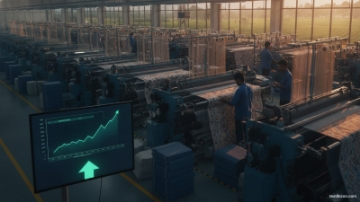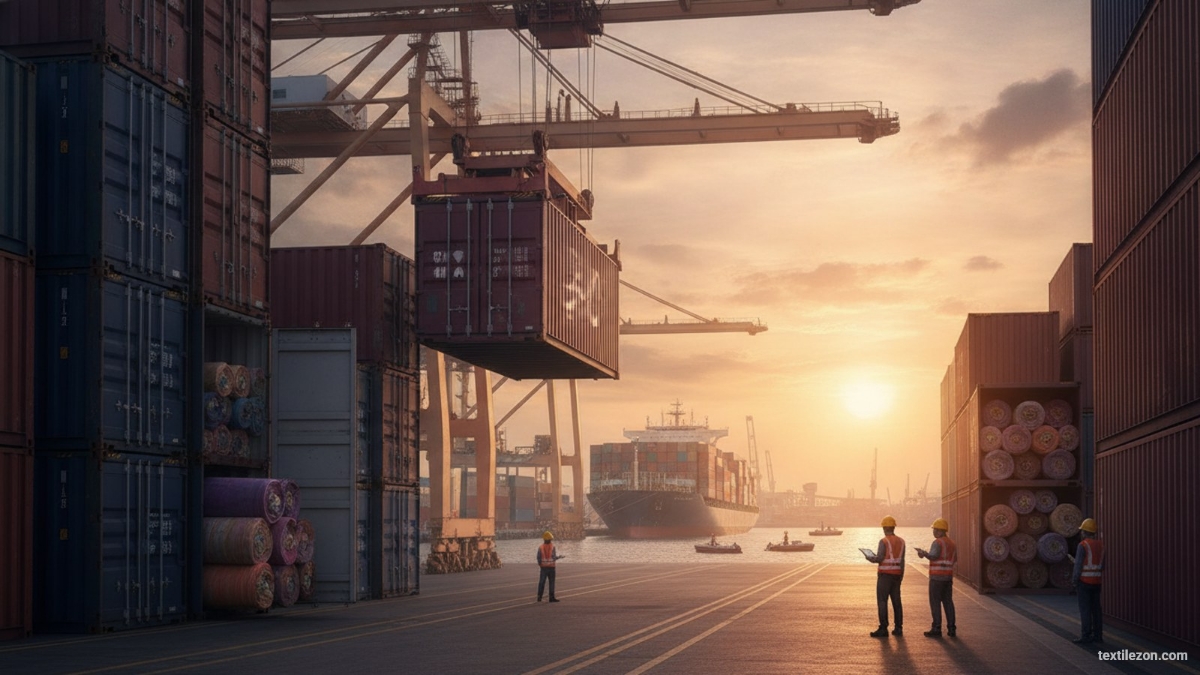
The UK-India Comprehensive Economic Trade Agreement (CETA) has officially taken effect, reshaping bilateral commerce and opening new doors for textile exports. The agreement removes tariffs on 1,143 specific textile tariff lines, previously subject to duties as high as 12%. Under the new framework, 99% of Indian goods entering the UK and 90% of British goods entering India now qualify for duty-free or reduced-tariff status. This landmark deal marks a turning point for textile trade between the two nations.
Scale and Economic Impact of the CETA
The agreement sets an ambitious trajectory for UK-India bilateral trade, with annual projections reaching £25.5 billion. Both economies stand to benefit directly: India forecasts annual GDP gains of £5.1 billion, while the UK expects £4.8 billion in additional output. These figures reflect the long-term economic partnership both governments are committed to building.
The broad tariff coverage — 99% of Indian goods and 90% of UK goods — signals a deliberate push toward deep market integration. For textile manufacturers and exporters, this creates immediate and measurable commercial advantage on both sides of the agreement.
Impact on Textile Exports and Competitive Positioning
India's Ministry of Commerce & Industry confirms that the affected tariff lines represent approximately 11.7% of the country's sector exports. The deal directly closes a longstanding competitive gap: Bangladesh, Pakistan, and Cambodia previously held duty-free UK market access that India did not. This agreement now levels the playing field for Indian suppliers.
India currently holds a 6.1% share of the UK textile market, ranking as the fourth-largest supplier with annual exports of approximately $1.79 billion. With UK total textile and clothing imports exceeding $28.8 billion last year, Indian manufacturers now compete on equal footing with established regional suppliers. The deal is expected to drive particular growth in ready-made garments across British retail.
Operational Changes and Official Perspectives
The CETA also introduces structural improvements to trade operations. Businesses no longer require mandatory customs brokers and can now register directly with HMRC in the UK to access preferential rates. This change streamlines supply chain management for garment manufacturing firms and lowers administrative costs.
India's Department of Commerce identified home textiles, carpets, handicrafts, and ready-made garments as the sectors poised for the strongest growth under the new terms. UK Trade Commissioner for South Asia, Harjinder Kang, described the agreement's commencement as a watershed moment, emphasizing its design to make trade cheaper and more efficient from day one. The first UK product shipments under the new framework have already arrived in India, confirming the deal's active status.
B2B textile professionals can follow ongoing coverage of this agreement and related developments through our textile news section on textilezon.com.
Frequently Asked Questions
How many textile tariff lines does the UK-India CETA cover?
The agreement removes tariffs on 1,143 specific textile tariff lines, representing approximately 11.7% of India's total textile sector exports. Previously, these lines faced duties reaching as high as 12%.
What economic gains are projected from the UK-India trade deal?
The deal targets £25.5 billion in annual bilateral trade growth, with projected GDP gains of £5.1 billion for India and £4.8 billion for the UK per year.
How does the CETA change customs procedures for textile exporters?
Exporters can now register directly with HMRC in the UK to access preferential tariff rates, eliminating the previous mandatory customs broker requirement and simplifying supply chain operations for garment manufacturers.