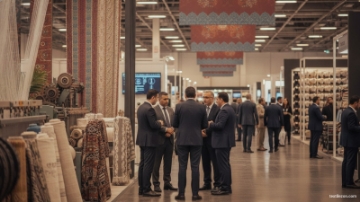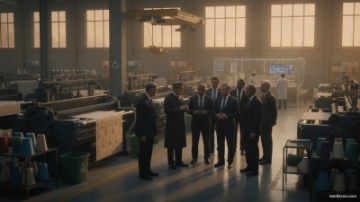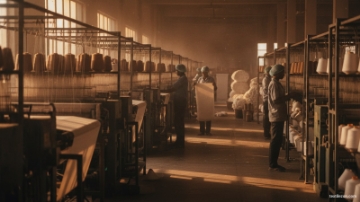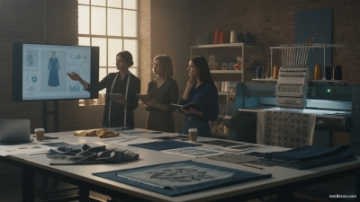
The Philippine Tropical Fabrics Law is at the centre of a renewed compliance push by the Philippine Textile Research Institute (DOST-PTRI). The agency argues that consistent enforcement of Republic Act No. 9242 across national bodies and local government units could unlock an estimated ₱17.8 billion (approximately $289 million) in annual demand for locally produced textiles. For domestic producers, stronger government purchasing could provide the reliable market base needed to scale the full textile value chain.
Unlocking ₱17.8 Billion in Government Uniform Demand
Public employees in the Philippines collectively receive uniform and clothing allowances totalling roughly ₱17.8 billion each year. DOST-PTRI calculates that approximately half of that amount is directed toward textile procurement—representing demand for around 30 million metres of fabric annually at an average cost of ₱300 per metre.
Despite the law requiring government agencies to source PTF-certified materials for official uniforms, implementation has remained uneven. Awareness gaps among certain agencies and local government units continue to limit a demand pool that could otherwise anchor fibre cultivation, spinning, weaving, and garment manufacturing across the country.
DOST-PTRI Director IV Julius L. Leano Jr. underscored the opportunity: "Government uniform requirements can drive production across the entire value chain—from fibre cultivation to yarn production, weaving and garment manufacturing."
What Are Philippine Tropical Fabrics?
Philippine Tropical Fabrics (PTF) are sourced and processed domestically from natural fibres, including abaca, pineapple, banana, bamboo, cotton, and silk. These crops are cultivated widely across Philippine agricultural regions, linking rural livelihoods directly to industrial textile production.
The Philippines currently operates cotton farms covering approximately 12,600 hectares, capable of producing an estimated 2,270 metric tonnes of cotton annually. Combined with roughly 1,000 metric tonnes from other natural fibres, the country holds a meaningful raw material base that DOST-PTRI believes can scale effectively with better supply chain integration.
- Abaca: High-strength natural fibre and a traditional Philippine export crop
- Pineapple (piña): Fine luxury fibre used in traditional formal wear
- Banana: Versatile fibre with growing industrial textile applications
- Bamboo: Renewable fibre known for moisture-wicking properties
- Cotton and silk: Established fibres with existing processing infrastructure
Sustainability Case and Multi-Agency Coordination
DOST-PTRI also makes an environmental case for PTF adoption. PTF-based fabrics generate lower carbon emissions than conventional polyester alternatives, adding a sustainability rationale to procurement reform as public institutions face mounting pressure to improve environmental performance.
To advance compliance, the institute coordinates with the Civil Service Commission, the Department of Trade and Industry, and the Department of Agriculture's Philippine Fibre Industry Development Authority. These agencies work together to align procurement policy, certification standards, and production capacity.
In parallel, DOST-PTRI is deploying textile innovation hubs through its FRONTIER programme. The hubs connect fibre producers, weavers, designers, and manufacturers—building a domestic ecosystem capable of responding to larger, more predictable government demand and eventually expanding into broader commercial markets.
Stay current on textile policy and industry developments through the textile news section at textilezon.com.
Frequently Asked Questions
What is the Philippine Tropical Fabrics Law?
Republic Act No. 9242 requires Philippine government agencies and local government units to use PTF-certified textiles for official uniforms and government-issued clothing. PTF materials are domestically sourced from natural fibres including abaca, pineapple, banana, bamboo, cotton, and silk.
How large is the potential market under full PTF Law compliance?
DOST-PTRI estimates government uniform allowances total ₱17.8 billion (about $289 million) annually. Roughly half flows toward textile procurement, representing demand for approximately 30 million metres of fabric per year at an average cost of ₱300 per metre.
Which agencies support enforcement of the Philippine Tropical Fabrics Law?
DOST-PTRI coordinates with the Civil Service Commission, the Department of Trade and Industry, and the Department of Agriculture's Philippine Fibre Industry Development Authority to align procurement policy, certification standards, and production capacity across all government bodies.
Full compliance with the Philippine Tropical Fabrics Law would establish a consistent, government-backed demand signal across the entire domestic textile value chain. Local fibre growers, spinners, weavers, and garment producers stand to benefit directly from coordinated public procurement—making PTF Law enforcement one of the most actionable levers for sustainable textile industry growth in the Philippines.