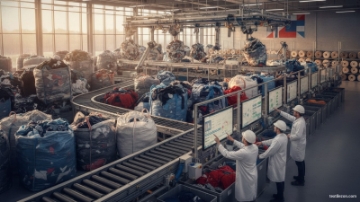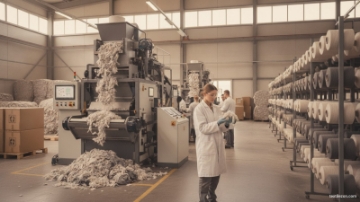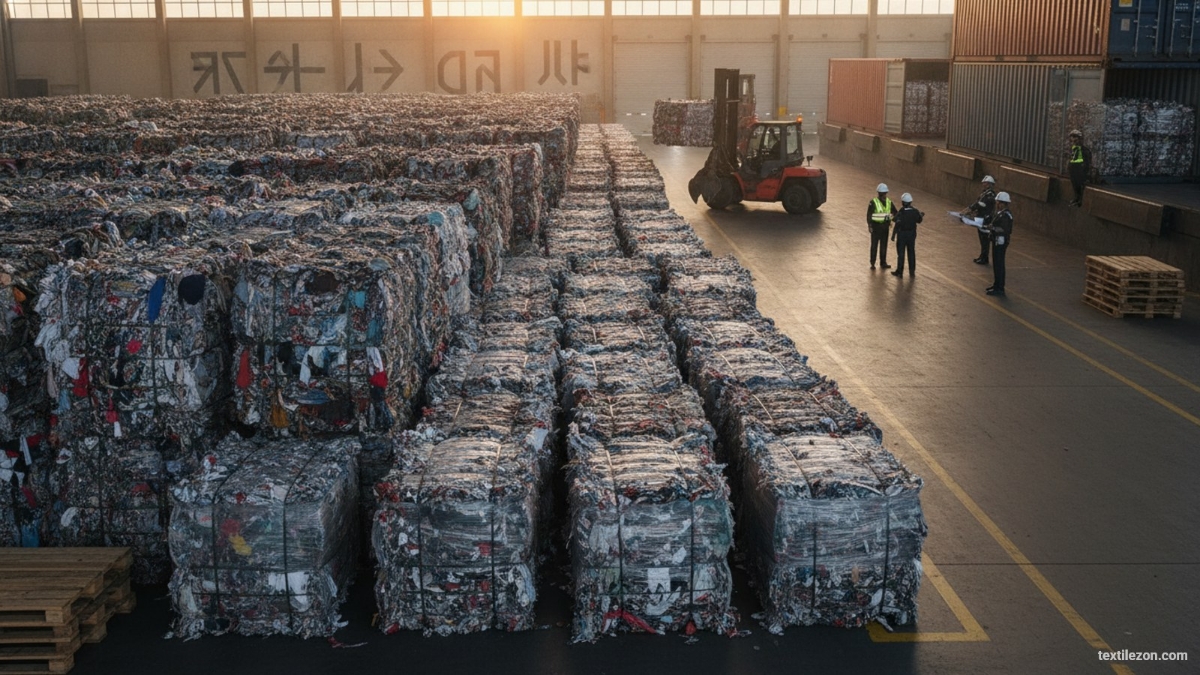
European authorities have dismantled a significant textile waste trafficking scheme stretching from Italy to Turkey. The European Anti-Fraud Office (OLAF), working with Italy's Carabinieri and Turkish customs, intercepted approximately 4,200 tonnes of unlawfully exported textile waste. Shipments had been falsely labelled to bypass EU environmental controls and the higher costs of compliant recycling.
How the Fraudulent Textile Waste Scheme Operated
The operation targeted waste streams with high concentrations of acrylic fibres — synthetic materials capable of persisting in the environment for up to two centuries. Under EU law, such synthetic-heavy waste requires complex and expensive processing, making it a prime target for fraud.
Operators allegedly mislabelled consignments to disguise their true composition and avoid regulatory scrutiny. By routing shipments to markets with weaker oversight, the network circumvented recycling obligations at significantly lower cost.
OLAF Director General Petr Klement highlighted the criminal incentives driving the scheme. He stated: "Schemes such as this one that offer ways to illegally avoid the cost of recycling certain kinds of textile waste or complying with environmental rules are an opportunity for organised networks to make illegal gains."
Investigators flagged suspicious consignments through trade-flow analysis, customs records, and assessments of recycling capacity. This intelligence prompted Turkish authorities to conduct targeted arrival inspections.
Scale of Seizures Across Turkey and Italy
Arrival inspections in Turkey confirmed the 4,200-tonne volume and triggered a broader joint investigation. A team of OLAF staff, Italian environmental specialists, and Turkish officials then conducted on-the-ground inspections at linked facilities.
Inspectors uncovered nearly 2,100 tonnes stored in a warehouse connected to a Turkish recycling facility allegedly operating outside environmental compliance. A further 768 tonnes were found at the Turkish port of Mersin — also mislabelled and reportedly ready for illegal dumping, according to OLAF.
In Italy, the Carabinieri raided a business complex in Brescia linked to the exports. Authorities seized company sites, a fleet of trucks allegedly used in the operation, and approximately €12 million in financial assets.
Europe's Textile Waste Crisis and Tighter Regulations
This enforcement action arrives as Europe's textile waste challenge grows more acute. The EU textile and clothing sector generated €170 billion in turnover in 2023 and supports around 1.3 million jobs, yet compliant recycling remains costly and technically constrained.
In 2019, Europe produced approximately 12.6 million tonnes of textile waste. Only about 20% was collected separately for reuse or recycling, leaving the majority in waste streams vulnerable to mismanagement and illegal export.
The European Commission tightened textile-waste rules in 2025 to curb misdeclaration of waste as reusable goods for shipment abroad. The updated framework expands customs oversight and strengthens OLAF's mandate to pursue cross-border waste trafficking networks.
Five EU member states led by France have also called for tougher action against ultra-fast fashion. France's ecological transition minister Monique Barbut stated: "We are relatively ahead in this area and we are pleased to be able to share our experience and how Europe can move forward together on this topic as well." The initiative targets stronger online platform oversight and tighter market surveillance. For the latest textile industry developments, visit the Info Center on textilezon.com.
Frequently Asked Questions
What did authorities seize in the Italy–Turkey textile waste operation?
OLAF and partner agencies intercepted 4,200 tonnes of illegally exported textile waste in total. This included nearly 2,100 tonnes at a Turkish warehouse, 768 tonnes at the port of Mersin, and approximately €12 million in financial assets and trucks seized in Brescia, Italy.
Why do acrylic fibres make textile waste a target for fraud?
Acrylic fibres can remain in the environment for up to 200 years and require expensive specialist recycling under EU regulations. Fraudulent operators mislabel these materials to export them to less regulated markets, generating substantial illegal profit while avoiding compliance costs.
How is the EU responding to illegal textile waste exports?
The European Commission updated textile-waste regulations in 2025, preventing waste from being falsely classified as reusable goods for export. The reforms strengthen OLAF's investigative powers and expand customs monitoring of cross-border shipments.
The OLAF operation signals a clear escalation in EU enforcement against illegal textile waste trafficking. B2B operators across the textile supply chain must ensure full compliance with waste labelling and export regulations, as cross-border inspections and financial penalties are intensifying across member states.