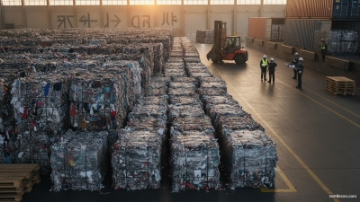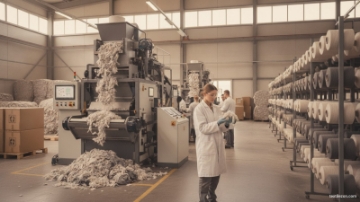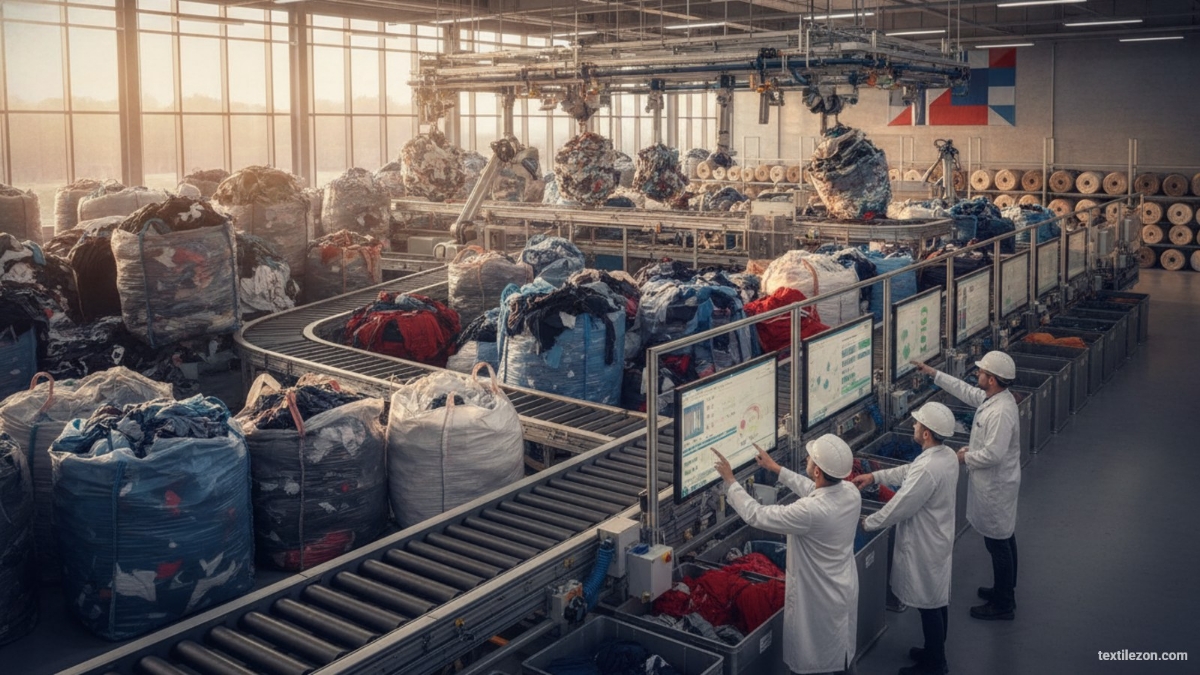
Norway is taking decisive action on textile waste, proposing new regulations that would fundamentally shift who pays for collecting and processing discarded textiles. The government is evaluating rules covering apparel, footwear, and household items such as curtains. For textile manufacturers, importers, and retailers active in Norway, these proposals represent a material change in regulatory exposure. Follow the latest developments at textilezon.com's Info Center.
A Producer Responsibility Framework for Textile Waste
The core of the proposal is a producer responsibility system requiring businesses to pay into a collective fund based on the volume of goods they introduce to the Norwegian market. This model transfers the financial burden of textile waste management away from local municipalities and consumers, placing it directly on commercial actors. The proposal also aligns Norway with EU directives already mandating new textile sorting requirements.
The Scale of Norway's Textile Waste Challenge
The data underpinning the proposal reveals a growing and urgent problem. Last year, Norwegian residents discarded approximately 45,000 tonnes of textiles into household residual waste. This volume places significant strain on existing collection and processing capacity.
Cross-border e-commerce is compounding the challenge. Textiles purchased from foreign online retailers reached 13,000 tonnes last year — a 263% increase compared to the previous year. This surge makes it increasingly difficult for current infrastructure to keep pace without structural reform.
Expert and Industry Perspectives on Implementation
Researchers argue that much of what enters the waste stream still holds value. Synnøve Rubach, a researcher at the sustainability institute Norsus, notes that many discarded items remain suitable for reuse or clothing recycling. Sustainable fashion advocate Kristin Vaag adds that a consumer culture shift — toward repair, maintenance, and secondhand purchasing — is equally necessary.
From the industry side, Ylva Eline Erbach of Tekstilpro confirms that businesses are prepared to contribute financially. However, she stresses that success depends on a coordinated national infrastructure. Standardized sorting and reliable collection methods are essential to ensure that even damaged textiles re-enter the supply chain as raw materials.
Frequently Asked Questions
What does Norway's proposed textile waste regulation require from businesses?
Manufacturers, importers, and retailers must contribute to a collective fund based on the volume of textile products they place on the Norwegian market. The funds support collection, sorting, and processing of discarded textiles, including apparel, footwear, and household items such as curtains.
How much textile waste does Norway currently generate?
Norwegian residents discarded approximately 45,000 tonnes of textiles into household residual waste last year. Textiles from foreign online retailers added another 13,000 tonnes — a 263% increase year-on-year. These figures highlight the scale of the challenge the new regulations aim to address.
When will Norway's new textile waste rules take effect?
The Norwegian government is currently in the evaluation phase. No confirmed implementation date has been announced. The framework is being developed in alignment with EU textile waste directives already in effect across member states.
Norway's proposed textile waste regulations mark a turning point for the country's market. Businesses supplying Norwegian consumers — whether through domestic operations or cross-border e-commerce — should begin assessing their product volumes and evaluating compliance costs now. As producer responsibility frameworks expand across Europe, early preparation will define competitive positioning in an increasingly regulated textile landscape.