Textile exports from Vietnam climbed 5.6% year-on-year in the first five months of 2026, reaching approximately $18.8 billion. This performance came despite a subdued global consumption environment, demonstrating the sector's underlying resilience. Industry leaders are warning, however, that the second half could prove considerably more difficult.
First-Half Growth Tracks Full-Year Goals
Vietnam's textile exports remain broadly on track with the Vietnam Textile and Apparel Association (VITAS) full-year ambition of $48–49 billion in shipments. Whether that target is achievable depends on whether order volumes hold through the remainder of the year, when retailers in major markets are expected to stay cautious on inventories and discretionary spending.
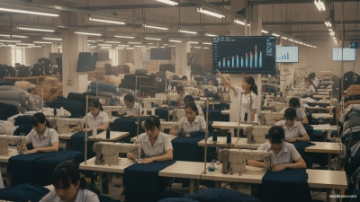
Part of the early-year lift stemmed from a deliberate strategy to front-load shipments. Cao Huu Hieu, general director of Vietnam National Textile and Garment Group (Vinatex), noted that manufacturers accelerated production schedules to capitalise on a more favourable US tariff window — effectively pulling future demand into earlier months. Stay updated on global trade developments through the Info Center on textilezon.com.
Freight Costs and Demand Headwinds Build
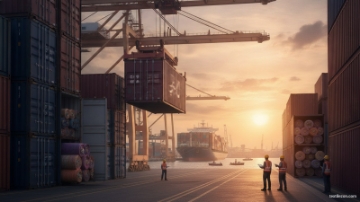
Exporters face a sharp increase in logistics costs. Container freight rates have risen an estimated 30–40%, compressing margins and pushing up landed costs for overseas buyers. Manufacturers also report limited visibility for Q4 orders, with brands shortening purchase cycles and delaying buying commitments.
Consumer markets are under increasing strain. Inflation across the United States, the European Union, China, Japan, and South Korea is reducing household purchasing power, prompting shoppers to cut back on apparel spending. Retailers are responding by managing inventories more tightly and sourcing more selectively.
- Freight rates up 30–40% year-on-year
- Limited Q4 2026 order visibility reported across manufacturers
- Shorter buyer purchase cycles as brands delay commitments
- Consumer spending constrained by inflation across all major markets
Shipments to the United States have held up comparatively well, providing stability to overall results. Exports to the EU benefit from tariff advantages under the EU–Vietnam Free Trade Agreement (EVFTA). Some Asian markets, by contrast, are showing signs of softening demand.
Industry Shifts to Value-Added Strategy
Vietnamese manufacturers are responding to the tighter environment with greater financial discipline. Companies are prioritising stable cash flow, tightening inventory control, and reducing non-essential operating costs to protect profitability through a less predictable order cycle.
VITAS is urging firms to compete on more than price. The association is encouraging a transition toward FOB (Free on Board) and ODM (Original Design Manufacturing) business models. Developing design capability, faster turnaround times, and added services will help suppliers differentiate themselves as buyers grow more selective in a fragile demand environment.
Frequently Asked Questions
How much did Vietnam's textile exports grow in early 2026?
Vietnam textile exports grew 5.6% year-on-year in the first five months of 2026, reaching approximately $18.8 billion according to state media figures cited by industry sources.
What is VITAS's full-year export target for 2026?
VITAS has set a full-year export target of $48–49 billion for 2026. Achieving this depends on order stability through Q3 and Q4, which remains uncertain given current demand conditions.
How are Vietnamese exporters managing rising freight costs?
Exporters are tightening cash flow management, cutting non-essential costs, and transitioning toward FOB and ODM business models to add value and reduce dependence on low-cost competition.
Vietnam's textile exports have demonstrated resilience through a strong first half of 2026, but the path ahead demands strategic adaptation. Efficiency gains, market diversification, and a decisive shift toward value-added manufacturing will determine whether the industry meets its $48–49 billion annual target.