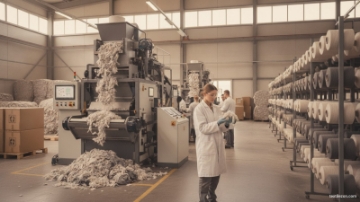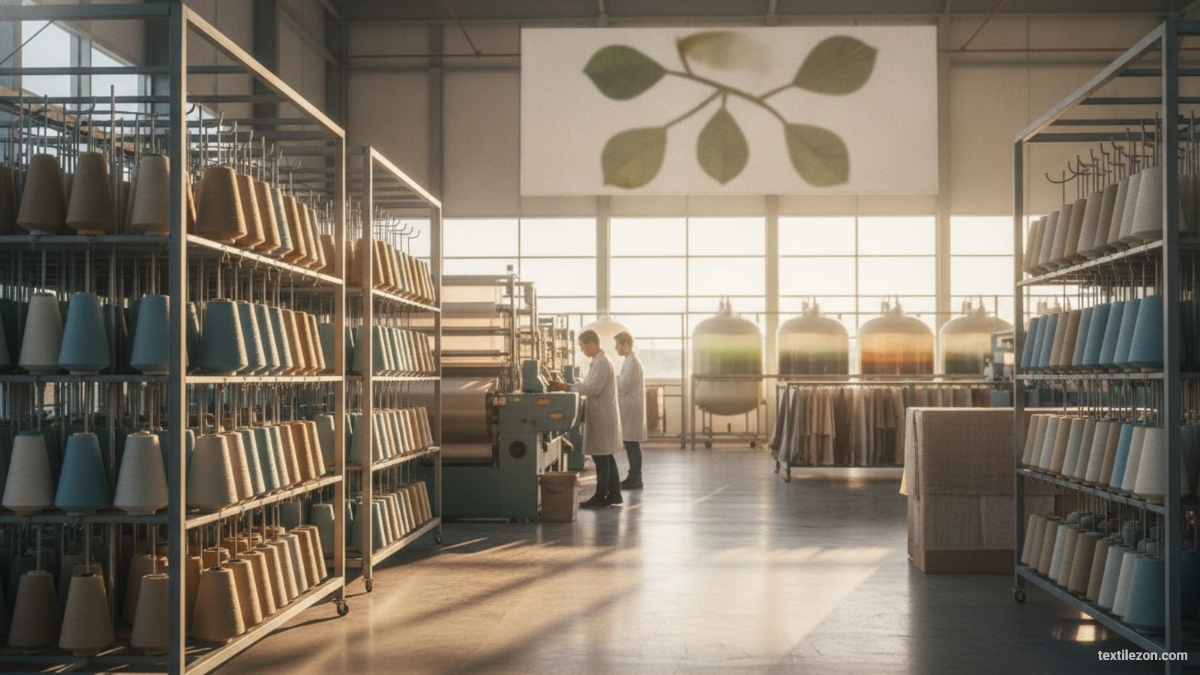
A prominent US legislator has formally urged the Department of Agriculture (USDA) to expand its support for natural fiber production. The appeal is part of a broader strategy to strengthen domestic textile manufacturing, reshore apparel production, and promote environmentally responsible practices. For B2B professionals tracking textile news, this development signals a meaningful shift in US agricultural and trade policy.
Natural Fiber vs. Synthetic: The Environmental Case
The legislator's correspondence draws a sharp contrast between natural fibers and their synthetic counterparts. Synthetic fibers degrade the environment through microfiber shedding — particles that contaminate waterways, soil, and the atmosphere.
Natural fiber crops offer a cleaner, more sustainable path. When cultivated responsibly, they can sequester carbon, improve soil health, and reduce reliance on chemical pesticide inputs. These advantages position natural fibers as both an agricultural asset and an environmental solution for the textile industry.
USDA Alignment and Key Program Requests
The appeal argues that natural fiber textile production directly supports multiple USDA mandate areas: advancing farm production and conservation, expanding domestic and international marketing of US agricultural goods, generating rural economic opportunity, and improving global competitiveness for American farmers and ranchers.
To facilitate this expansion, the legislator formally requested the USDA provide:
- Information on existing programs and administrative authorities capable of supporting natural fiber production and processing
- Current data collection methodologies, including whether agricultural census efforts adequately capture fiber crops such as flax and hemp
- Documentation of past USDA funding allocations directed toward natural fiber production and processing initiatives
- Assessment of barriers impeding full natural fiber textile supply chain development
- Evaluation strategies to minimize synthetic pesticide use in fiber production and how these are integrated into current or planned departmental programs
A Congressional Champion for Sustainable Textiles
The legislator behind this initiative has built a national profile in sustainable textile advocacy. As founder and chair of a Congressional coalition dedicated to sustainable fashion, she has championed policies addressing textile waste, production pollution, and labor practices.
Her work centers on building support for circular, domestically produced materials — and this USDA appeal advances that agenda directly. The initiative represents a significant step toward reshoring US textile manufacturing while reducing the environmental footprint of the nation's fiber supply chain.
Frequently Asked Questions
Why is natural fiber production important for American textile manufacturers?
Natural fibers provide a domestic, sustainable alternative to synthetics. They can be grown and processed to reduce carbon emissions, improve soil health, and lower chemical input dependency — giving US manufacturers both a competitive and environmental edge.
What did the legislator specifically request from the USDA?
The legislator requested information on existing programs, past funding allocations, census data gaps for fiber crops like flax and hemp, an assessment of supply chain barriers, and strategies to reduce synthetic pesticide use in fiber production.
How could this initiative affect B2B textile sourcing?
Expanded USDA support for natural fiber production could grow domestic supply chains for cotton, flax, and hemp. This would create new sourcing opportunities for textile manufacturers, importers, and procurement professionals seeking American-made, sustainable inputs.
This Congressional initiative marks a tangible step toward rebuilding the US natural fiber textile supply chain, and industry stakeholders across manufacturing, sourcing, and policy sectors will be watching the USDA's response closely.