India's PLI scheme for textiles is delivering measurable results. Government data confirms that the Production-Linked Incentive programme, introduced in September 2021, is cutting the country's dependence on niche textile imports while boosting exports in value-added and technical categories. The Rs. 10,683 crore (US $1.13 billion) initiative is reshaping India's textile manufacturing base.
Scheme Overview: Targets and Structure
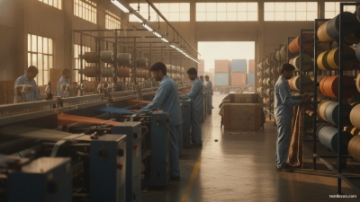
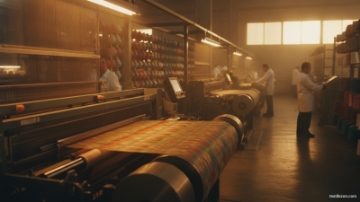
The textile PLI scheme focuses on two strategic segments: man-made fibre (MMF) fabrics and technical textiles. Both categories have historically been import-dependent, making them priorities for domestic capacity building. The scheme provides production-linked financial incentives to encourage large-scale manufacturing investment.
Launched in September 2021, the programme targets manufacturers capable of scaling output in these high-value segments. Participants receive incentives tied directly to incremental production, rewarding growth in volume and capability. This structure drives both capacity expansion and export competitiveness.
Import Reduction and Export Expansion
Early data shows the PLI scheme is achieving its core objective of reducing import dependence. Domestic manufacturers are ramping up production of previously imported niche textile products. This shift directly benefits B2B buyers seeking reliable Indian-sourced alternatives in MMF and technical textile categories.
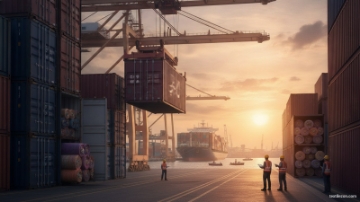
Simultaneously, the scheme is driving export growth in value-added textiles. Indian exporters are scaling shipments of man-made fibre and technical textile products to international markets. The combined effect — lower imports, higher exports — signals a fundamental rebalancing of India's textile trade position.
- Niche textile imports declining as domestic output scales
- Man-made fibre fabric production receiving direct incentive support
- Technical textile exports gaining momentum across global markets
- Rs. 10,683 crore (US $1.13 billion) committed to the programme
What This Means for Global Textile Buyers
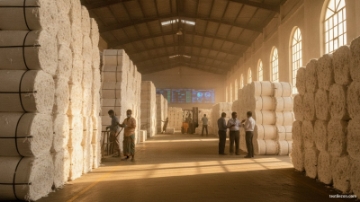
The textile PLI scheme creates new sourcing opportunities for international procurement teams. As Indian manufacturers expand MMF and technical textile capacity, global buyers gain access to a broader, more competitive domestic supply base. This reduces dependence on other import markets and shortens supply chains.
For B2B buyers tracking India's export capacity, the PLI scheme's progress is a key indicator. A US $1.13 billion government commitment signals sustained investment and long-term policy stability. Stay current with developments across India's textile sector through our textile news coverage.
Frequently Asked Questions
What is India's textile PLI scheme?
India's textile PLI (Production-Linked Incentive) scheme is a government programme worth Rs. 10,683 crore (US $1.13 billion), launched in September 2021. It incentivises domestic production of man-made fibre fabrics and technical textiles to reduce import dependence and grow high-value exports.
Which segments does the textile PLI scheme target?
The scheme targets man-made fibre (MMF) fabrics and technical textiles — two segments where India has historically relied on imports. These categories serve industrial, medical, defence, and performance apparel applications where India aims to build competitive domestic supply capacity.
How is the PLI scheme affecting India's textile exports?
Government data shows the PLI scheme is driving measurable growth in value-added and technical textile exports. By rewarding higher production volumes with direct financial incentives, the programme enables Indian manufacturers to scale operations and compete more effectively in premium international markets.
India's textile PLI scheme represents a decisive policy intervention in the country's manufacturing sector. With Rs. 10,683 crore committed and early data confirming both import reduction and export growth, the programme is on track to reposition India as a leading global supplier of high-value textile products. Global buyers and trade professionals should track this structural shift as it continues to reshape sourcing dynamics across the MMF and technical textile segments.