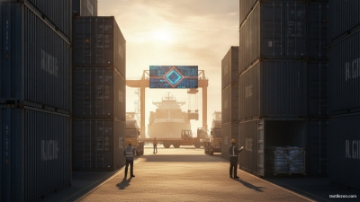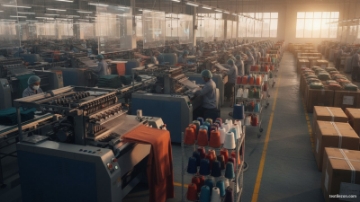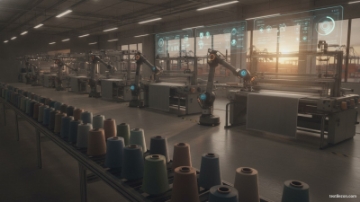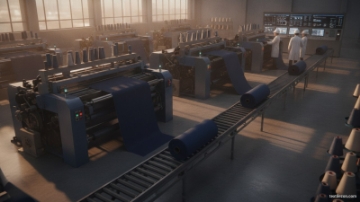
South Korea's apparel e-commerce sector is accelerating its push toward warehouse automation, and Exotec is now central to that shift. The French robotics company has signed its first South Korean deal with MUSINSA, one of the country's leading fashion platforms, to deploy an automated fulfilment facility in Yeoju. This partnership marks a pivotal step for both companies and reflects a broader capital flow into next-generation logistics across Asia-Pacific.
Skypod Robotics at the Yeoju Facility
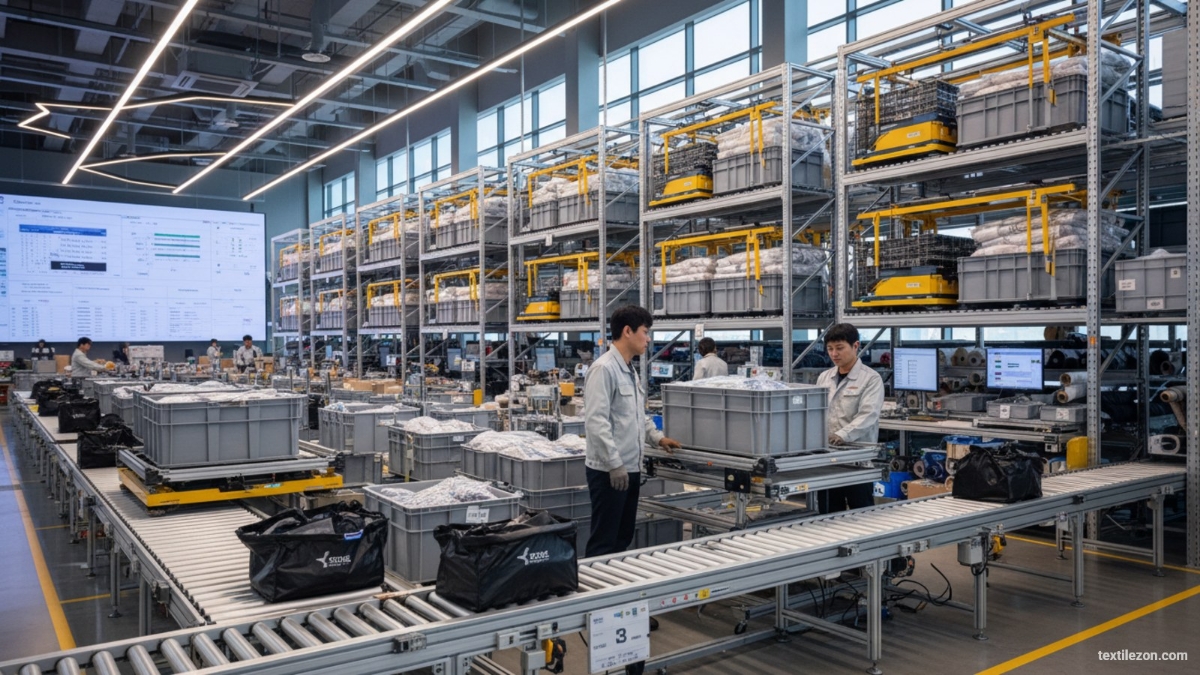
MUSINSA will install Exotec's Skypod robotic system alongside the company's Deepsky warehouse execution software at the new site. The Skypod system deploys autonomous robots inside storage structures reaching up to 14 metres in height, retrieving items in typically two minutes or less. This combined hardware-software approach delivers real-time inventory visibility alongside rapid order picking.
Scalability is built into the Yeoju design from the outset. MUSINSA can expand capacity incrementally without overhauling the entire warehouse layout — a key advantage for a platform managing hundreds of thousands of SKUs across domestic independent brands and global premium labels.
Handling Peak Demand in K-Fashion Logistics
MUSINSA's platform experiences sharp volume spikes during seasonal product drops and major online sales campaigns. Manual warehousing operations struggle to maintain speed and accuracy during these peaks, creating fulfilment delays that damage customer confidence. Warehouse automation sustains throughput and order precision regardless of demand volatility.
The retailer expects the Yeoju project to lift picking performance, increase throughput, and sharpen inventory visibility. Labour productivity gains are also anticipated, enabling MUSINSA to allocate human resources more strategically across its fulfilment network.
Exotec's Entry into Asia-Pacific Fashion Logistics
Exotec CEO Romain Moulin described South Korea as "the most dynamic e-commerce market in Asia." He cited the global rise of K-fashion as a primary driver behind surging logistics demands in the country's apparel sector. The Yeoju project is Exotec's first live Korean deployment, adding to a global customer roster that already includes Uniqlo, GAP Inc., and Oxford Industries.
For Exotec, the MUSINSA deal reinforces its Asia-Pacific expansion strategy at a time when regional retailers are committing significant capital to next-generation fulfilment infrastructure. The company's integrated approach — robotics combined with execution software — gives fashion retailers a scalable foundation as supply chain complexity grows.
Frequently Asked Questions
What is the Skypod system and how does it work?
Skypod is Exotec's autonomous robotic warehouse system. Robots navigate storage structures up to 14 metres high and retrieve items in typically two minutes or less, delivering high-speed picking alongside precise inventory control.
Why is MUSINSA investing in warehouse automation?
MUSINSA manages hundreds of thousands of SKUs and faces significant volume peaks during seasonal sales campaigns. Automation improves picking speed, order accuracy, and inventory visibility during high-demand periods when manual operations are under the greatest strain.
What does this partnership signal for the broader market?
The Exotec-MUSINSA deal reflects growing adoption of robotics-driven warehouse automation among Asia-Pacific fashion retailers. As K-fashion gains global traction, fulfilment efficiency is emerging as a key competitive differentiator across the region's apparel sector.
The Yeoju deployment demonstrates how warehouse automation is shifting from a long-term aspiration to an operational priority for fashion retailers competing in high-velocity e-commerce markets. As robotic fulfilment investment accelerates across Asia-Pacific, the apparel sector stands at the forefront of this transformation. For more coverage of supply chain innovation in the textile industry, explore the textilezon.com Info Center.