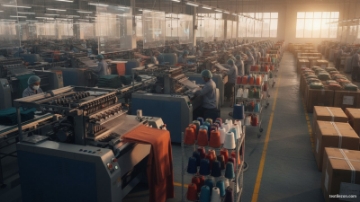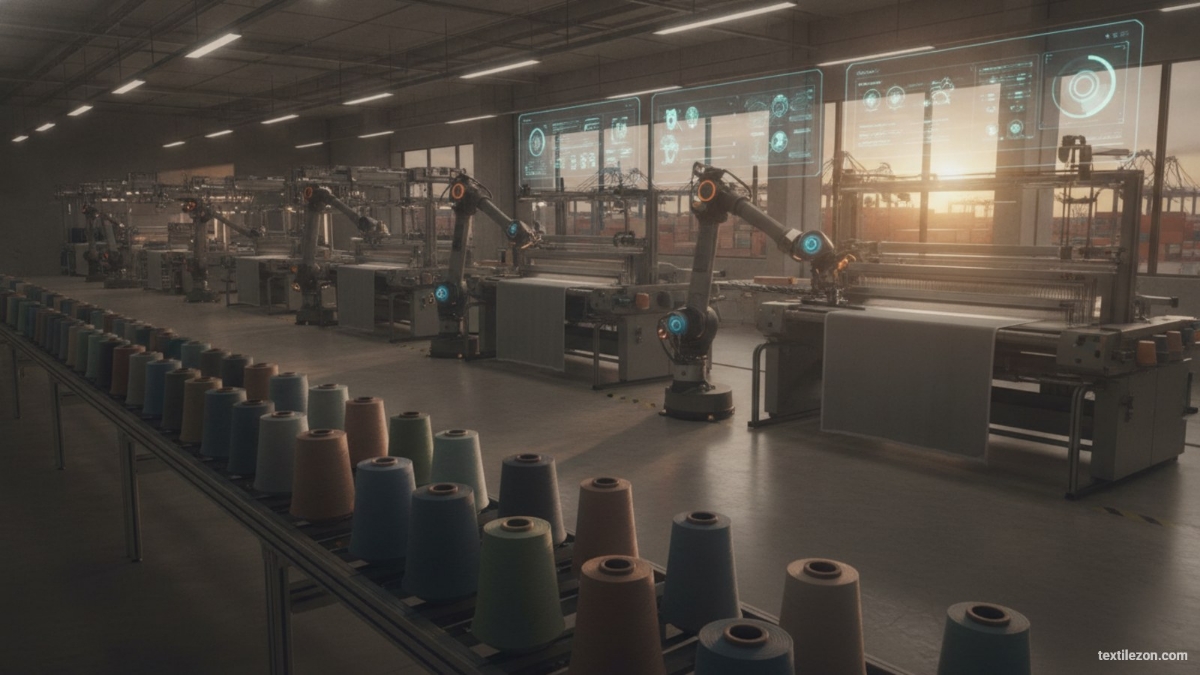
The fast fashion supply chain is under serious strain as geopolitical tensions near the Strait of Hormuz disrupt global petroleum shipments. Synthetic materials such as polyester, nylon, and spandex form the backbone of modern wardrobes, and all depend directly on crude oil. Ultra-low-cost garments, such as a $1 pair of tights from Shein or a $15 coat from Temu, face the most severe impacts from this ongoing disruption.
How Rising Oil Prices Are Hitting Synthetic Fiber Producers
The initial market response was panic buying among apparel brands, creating a sharp divide within the petrochemical sector. Tongkun Group, which produces approximately 18% of global polyester yarn, expects its net income to triple in the first half of the year. Brands bidding aggressively for inventory drove polyester futures in China up 25% in March, reaching a near four-year high.
At the same time, upstream suppliers are struggling. Hengli Petrochemical, which refines crude oil into polymer resins for companies like Tongkun, saw its shares fall nearly a third this year as crude supplies dwindled and the company idled production. Chinese production of synthetic fibers dropped 11% in April, hitting its lowest point since 2024.
Brands Pivot to Recycled and Natural Fiber Alternatives
Companies with early investments in recycled materials now hold a clear competitive advantage. Zara and H&M source almost all their polyester from recycled feedstocks, placing them in a stronger position than competitors such as Uniqlo, which relies more heavily on virgin engineered fabrics.
Natural fibers offer only partial relief. India, the world's second-largest cotton producer, depends on the Gulf for natural gas and urea used in fertilizer production. Cotton prices reached a two-year high in May, and global inventories are trending toward their lowest levels in a decade, tightening sourcing options further across the industry.
Freight Costs Compound the Margin Squeeze
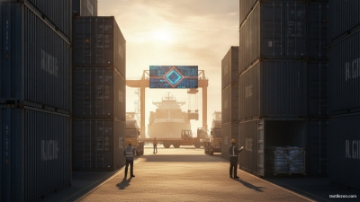
Petroleum also powers the transportation networks underpinning global fashion logistics. Every order placed through platforms like Temu or Asos reserves cargo space on flights connecting Asian manufacturing hubs to consumers worldwide. Zaragoza, Spain, operates as a major air-freight hub precisely because of nearby logistics centers run by Zara.
According to Crocs leadership, transportation expenses could ultimately impact profit margins more than rising resin costs alone. The parent company CFO for Timberland and The North Face indicated that margin pressure will likely appear in the period leading to March 2028, not the 2027 fiscal year. Industry professionals can track how brands adapt their sourcing strategies through the Info Center on textilezon.com.
Frequently Asked Questions
Why does the Strait of Hormuz affect fast fashion prices?
The Strait of Hormuz is a critical passage for global petroleum shipments. Disruptions there reduce crude oil supply, driving up the cost of synthetic fibers like polyester, nylon, and spandex, which dominate fast fashion production.
Which fast fashion brands face the greatest supply chain risk?
Ultra-low-cost brands such as Shein and Temu face the most severe exposure. Their business models depend on extremely cheap synthetic materials, making them highly sensitive to petroleum price increases.
Are recycled fabrics a viable hedge against petroleum supply shocks?
Yes, recycled materials provide a meaningful operational hedge. Brands like Zara and H&M, which source nearly all their polyester from recycled feedstocks, face far lower exposure to petroleum price swings than competitors relying on virgin synthetic fibers.
The petroleum supply shock has exposed a structural vulnerability at the heart of fast fashion: a global industry built on cheap oil-derived synthetics cannot sustain ultra-low pricing when crude supplies tighten. Brands that diversified early into recycled and natural materials now hold a measurable operational advantage. For the broader apparel sector, this disruption reinforces the long-term business case for supply chain resilience and material diversification.