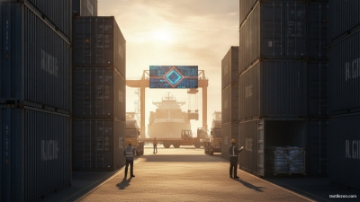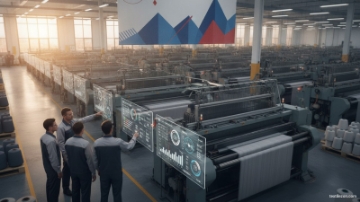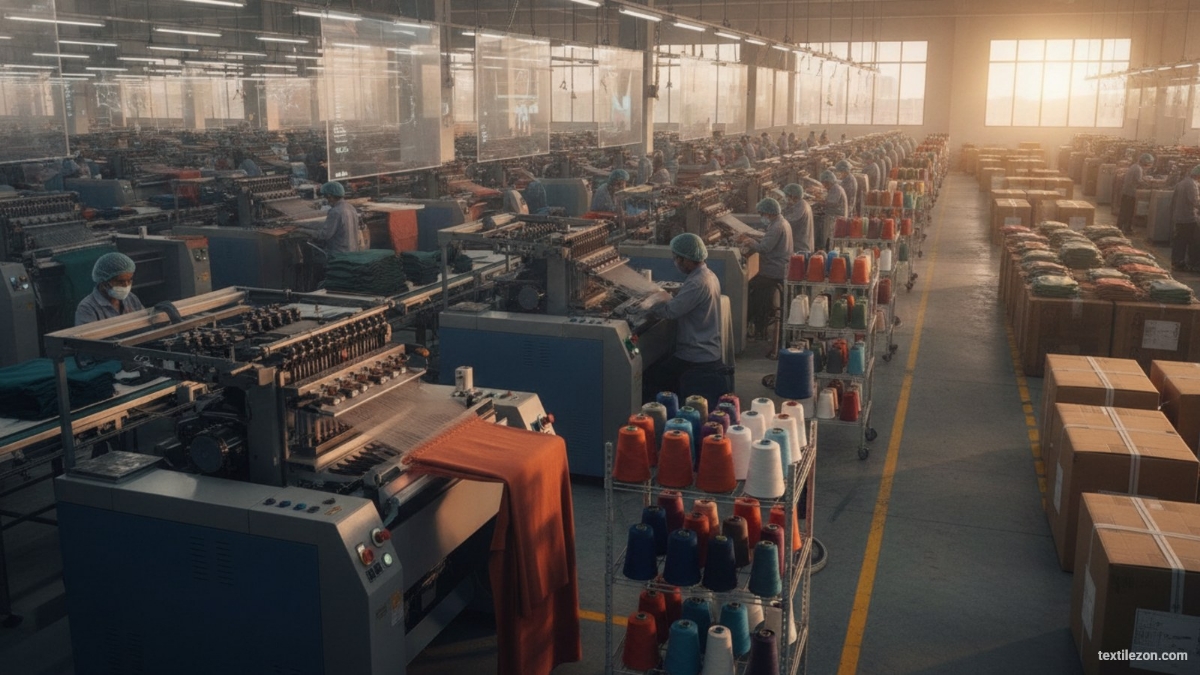
The 2026 USFIA Benchmarking Study confirms that Bangladesh apparel sourcing retains a central role in global fashion supply chains, even as brands pursue more diversified procurement approaches. Released by the US Fashion Industry Association (USFIA), the report reveals a notable decline in factory utilisation alongside a historic milestone: Bangladesh has overtaken China in US apparel exports by value for the first time in decades. Follow the latest trade developments on our Info Center.
Bangladesh Surpasses China in US Apparel Market
For the first time in decades, Bangladesh has overtaken China in apparel exports to the United States by value. This historic shift marks a turning point in global sourcing patterns and reflects buyers' growing confidence in Bangladesh as a reliable manufacturing hub.
During the first five months of 2026, Bangladesh apparel captured 11.3% of US apparel imports by value. Vietnam led all suppliers with 22.2%, while China's share declined to 9.7%—a significant reversal that underscores Bangladesh's rising competitive strength.
Diversification Reshapes Factory Utilisation Across Bangladesh
Despite the market share gains, the USFIA study shows Bangladesh's factory utilisation rate dropped to 78.9% in 2026, down from 88.2% in 2025. The decline reflects a broader industry shift toward multi-country sourcing, not a loss of buyer confidence.
Apparel brands are distributing orders across multiple destinations to improve production capacity, supply chain resilience, and inventory responsiveness. Nearly 47% of surveyed companies report that Bangladesh still represents more than 10% of their total sourcing value or production volume—confirming the country's enduring strategic importance.
Key factors sustaining Bangladesh's appeal to global buyers include:
- Competitive pricing for large-volume production
- Extensive manufacturing capacity and skilled workforce
- Established export and logistics infrastructure
- Strong compliance standards in leading factories
Lead Times, Growth Outlook, and the Road Ahead
The USFIA report identifies delivery speed as Bangladesh's most pressing competitive challenge. The country scored just 2.3 out of 5 for speed-to-market, reflecting logistical bottlenecks and geographic distance from major consumer markets.
As fashion cycles shorten, brands demand faster replenishment and greater supply chain adaptability. Ongoing compliance issues and limited production flexibility continue to influence sourcing decisions in favour of closer, faster alternatives.
Despite these challenges, the long-term growth outlook remains positive. The USFIA study ranked Bangladesh as the second most attractive "rising star" for future sourcing expansion. Around 46.7% of surveyed companies plan to increase sourcing from Bangladesh over the next two years, placing it just behind Indonesia among preferred expansion destinations.
Key Takeaways for Sourcing Professionals
- Bangladesh now outranks China in US apparel imports by value—a historic industry first
- Factory utilisation at 78.9% reflects supply chain diversification, not declining buyer demand
- 46.7% of brands plan to increase Bangladesh sourcing over the next two years
- Improving speed-to-market will be the defining factor in Bangladesh's future sourcing growth
Bangladesh apparel manufacturing remains a cornerstone of global fashion supply chains, and the USFIA data confirms that leading international brands intend to deepen their commitment to Bangladesh's manufacturing sector in the years ahead.
Frequently Asked Questions
Why did Bangladesh's factory utilisation rate fall in 2026?
The drop from 88.2% in 2025 to 78.9% in 2026 reflects brands adopting multi-country sourcing strategies, not reduced confidence in Bangladesh. Buyers are distributing orders across multiple destinations to improve supply chain resilience and inventory agility.
How does Bangladesh rank in US apparel imports compared to China?
In the first five months of 2026, Bangladesh held 11.3% of US apparel imports by value, placing it second only to Vietnam (22.2%) and ahead of China (9.7%). This marks the first time in decades that Bangladesh has surpassed China in this market.
What is Bangladesh's biggest competitive weakness in global apparel sourcing?
Speed-to-market is Bangladesh's most significant challenge, with the country scoring just 2.3 out of 5 in the USFIA study. Geographic distance and logistical bottlenecks make rapid replenishment difficult, which is a growing concern as fashion brands continue to shorten their product cycles.