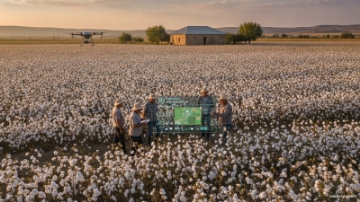
Ethiopia cotton production is entering a decisive phase. With approximately three million hectares of land suitable for cotton cultivation, Ethiopia is pursuing an integrated cotton-to-clothing strategy to build a competitive textile value chain and reduce reliance on raw commodity exports.
In the Gewane District of the Afar Region, farmers like Yossef Tewelde harvest cotton bolls that form the agricultural backbone of this national ambition. For the latest developments in the global textile sector, follow the textile news section on Textilezon.
Industrial Parks and the Farm-to-Factory Gap
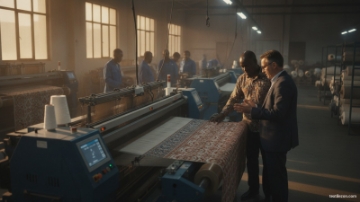
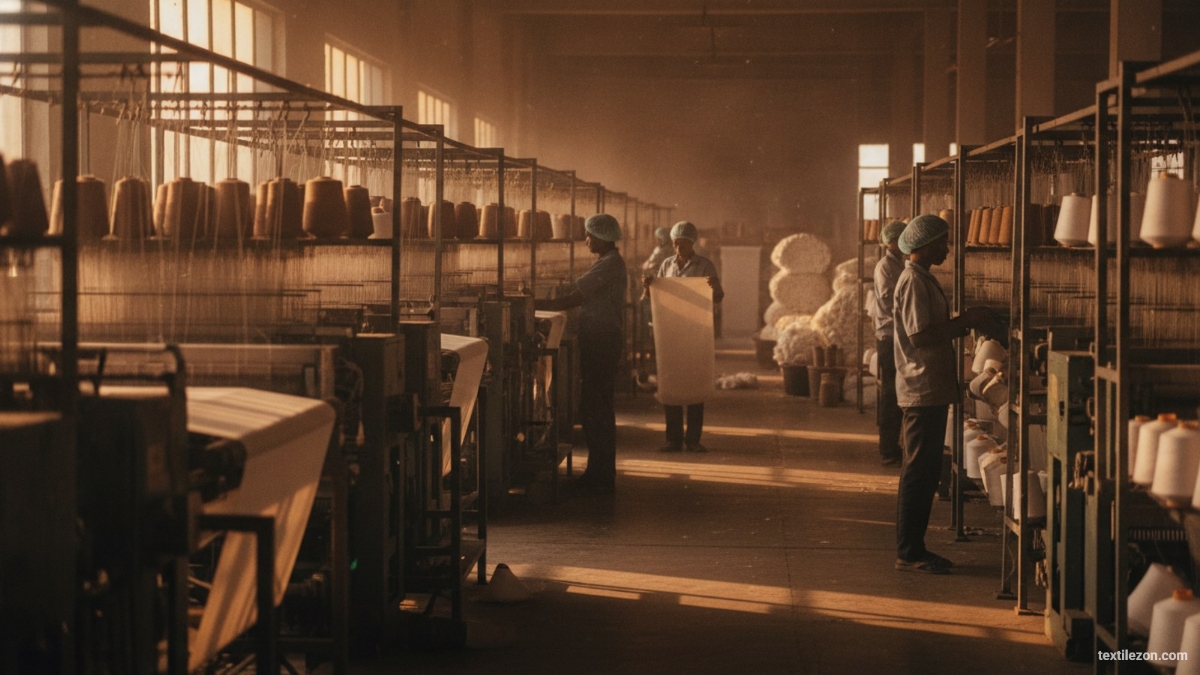
Ethiopia has established dedicated industrial parks in Hawassa, Bole Lemi, Adama, Kombolcha, and Mekelle to attract international textile manufacturers. These zones leverage competitive energy costs and a growing labor force to position the country as a premier apparel export hub across Africa.
A critical supply gap persists, however. Local factories frequently struggle to secure a consistent supply of high-quality domestic cotton, forcing manufacturers to import lint or yarn to maintain production schedules. This undermines the very value-chain integration the strategy is designed to achieve.
Research and Agricultural Supply Challenges
Berhanu Megersa, Director General of the Werer Agricultural Research Center, notes that improved cotton varieties have been developed — but limited funding has restricted seed distribution at scale. Climate variability and uneven irrigation access further constrain domestic output.
Abje Menegesha, Procurement Manager at Amibara Agricultural Development, confirms that local production does not consistently meet volume or grading standards. Industry experts recommend contract farming models and transparent pricing frameworks to better align producer incentives with manufacturing demand.
National Cotton Strategy and Policy Coordination
The Ethiopian government is synchronizing stakeholders through the National Cotton Development Strategy. Samson Assefa, Executive Director for Cotton Development at the Ministry of Agriculture, prioritizes improving seed quality and market linkages. Minister of Industry Melaku Alebel calls for closer collaboration between the agricultural and industrial sectors.
Negash Goshu, President of the Textile Manufacturers Association, stresses that the challenges facing farmers and manufacturers are interconnected. He advocates for continuous dialogue to keep Ethiopia's textile value chain globally competitive.
AfCFTA and the Path to Regional Markets
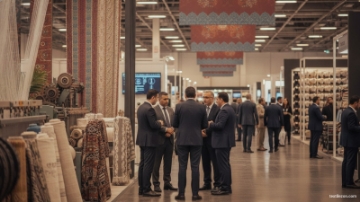
The African Continental Free Trade Area (AfCFTA) presents a significant opportunity for Ethiopian apparel exports. By reducing intra-African trade barriers, the agreement could open wider markets for Ethiopian-made garments across the continent.
Researcher Oumar Hassen notes that long-term success depends on infrastructure investment and the ability of domestic cotton to compete with international imports on quality and price. If Ethiopia closes the farm-to-factory gap, it could serve as a continental model for commodity-to-product industrialization.
Frequently Asked Questions
How much agricultural land does Ethiopia have for cotton production?
Ethiopia has approximately three million hectares of land suitable for cotton cultivation. Realizing this potential requires sustained investment in irrigation infrastructure, improved seed varieties, and logistics networks.
Which industrial parks support Ethiopia's textile manufacturing sector?
Ethiopia has developed industrial parks in Hawassa, Bole Lemi, Adama, Kombolcha, and Mekelle. These zones have attracted international textile firms by offering competitive energy costs and access to a growing labor pool.
How does AfCFTA benefit Ethiopia's textile and apparel exports?
AfCFTA reduces trade barriers across African markets, allowing Ethiopian apparel exports to reach a broader regional customer base. Success requires aligning domestic cotton quality and supply volumes with factory production needs.
Key Takeaways: Ethiopia's three million hectares of cotton-suitable land underpins a national cotton-to-clothing ambition. Five industrial parks are operational but depend on consistent domestic fiber supply. Government policy, contract farming models, and AfCFTA market access define the three pillars of Ethiopia's textile industrialization roadmap.