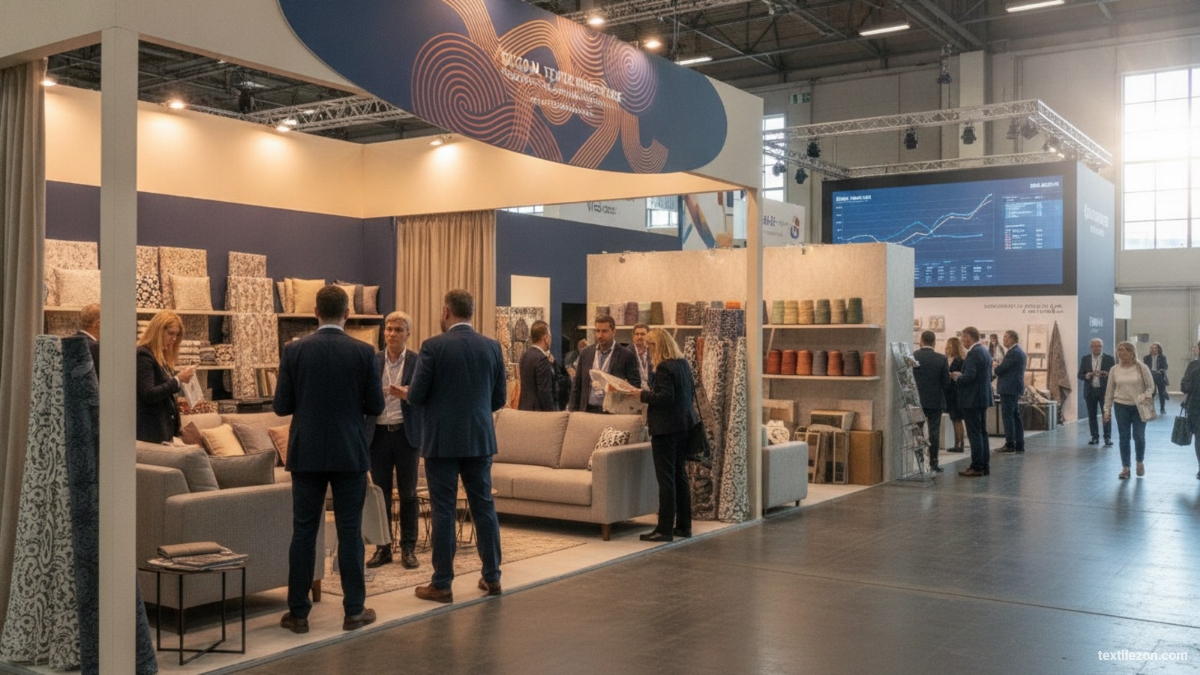
Atlanta Market 2026 returned with a renewed energy that signals a healthy post-pandemic rhythm for the home textiles and gift industry. For B2B buyers, manufacturers, and retail professionals, this trade show delivered four unmistakable trend signals worth building into your product strategy.
Market attendance has stabilized into a focused, buyer-ready audience since the post-COVID adjustment period. While foot traffic no longer matches pre-2020 peaks, the buyers present are optimistic, purposeful, and actively sourcing. That shift in buyer behavior has direct implications for how textile suppliers and manufacturers should position their product lines.
This report breaks down the four dominant trends observed at Atlanta Market and explains what they mean for home textile businesses sourcing, designing, or distributing in the B2B channel. Explore more industry insights in the Info Center on textilezon.com.
- The Handcrafted Movement in Home Textiles
- The Rise of Fashionable Pouches
- Versatility as a Design Mandate
- Products That Build Human Connection
- B2B Implications for Textile Manufacturers
- Frequently Asked Questions
- Key Takeaways
The Handcrafted Movement in Home Textiles
Artisanal Quality Over Mass Production
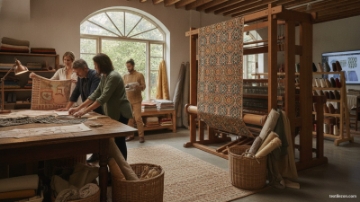
The single strongest aesthetic thread running through Atlanta Market 2026 is the handcrafted movement. From crochet kits to embroidered ornaments and decorative journals, artisanal detailing is appearing across product lines at every price point.
Snoozies, long recognized for its cozy footwear, debuted a new line of embroidered slippers that carry an elevated, artisanal quality rarely seen in the footwear accessories segment. The embroidery detailing positions these products clearly above mass-produced alternatives and signals a premium opportunity for B2B buyers.
Design Imports reinforced this trend with embroidered strawberry-themed tea towels, delivering tactile and visual appeal that resonates strongly with gift market buyers. Rifle Paper Co. and Hazel Mazel brought similar handcrafted sensibilities to their respective product categories.
What This Means for Textile Sourcing
The handcrafted trend reflects a deeper consumer shift: shoppers are prioritizing quality and individuality over commodity goods. For textile manufacturers and suppliers, this signals strong demand for embroidered, woven, and artisan-finished products across the home textiles segment.
B2B buyers sourcing for retail should expect embroidery and artisan finishing to command both shelf space and margin premiums. Suppliers capable of delivering consistent artisan-quality embroidery at scale hold a clear competitive advantage heading into the second half of 2026.
The Rise of Fashionable Pouches
A High-Growth Accessories Segment
Fashionable pouches emerged as one of the hottest accessory categories at Atlanta Market 2026. The trend is partly driven by an uptick in women's apparel sales as more consumers lose weight and refresh their wardrobes, creating demand for coordinating accessories.
Powder led the pouch category with three standout collections: an astrology-themed series, a dog-portrait series, and a sparkly floral collection. Each targets a distinct consumer identity segment, giving retail buyers multiple SKU options to reach different demographics.
Snoozies expanded its brand footprint with a limited series of coordinating zipper pouches, strategically extending its soft-goods expertise into the accessories category. This type of adjacent expansion is a growing strategy among home textiles brands seeking incremental revenue streams.
Sourcing Opportunity for B2B Buyers
The pouch category sits at the intersection of fashion accessories and functional home textiles, making it attractive for multi-category retailers. Textile suppliers with capabilities in cut-and-sew soft goods, zipper integration, and print-on-fabric techniques are well-positioned to supply this growing segment.
For procurement professionals, pouches offer strong gift-market positioning with relatively low per-unit sourcing costs and high perceived retail value. Buyers should evaluate suppliers with experience in small-run, design-forward soft goods production.
Versatility as a Design Mandate
Reversible and Interchangeable Textile Inserts
At Atlanta Market 2026, versatility was not presented as a product feature — it was the product itself. Two manufacturers demonstrated how interchangeable design systems create lasting consumer value in home textiles.
Keva's tray system with reversible and interchangeable textile inserts struck the perfect balance between form and function. Consumers can refresh their home décor without replacing core investment pieces, simply by swapping the textile insert.
For textile manufacturers, the Keva model creates a favorable repeat-purchase pattern: as consumers collect multiple insert designs, the textile component becomes a consumable. That dynamic supports consistent, long-term B2B supply relationships.
Multi-Use Entertaining Systems
Plate and Pattern demonstrated a complementary approach to versatility with its modular entertaining system. The company combines galvanized metal tins, wicker baskets, and platters with a range of decorative parchment paper liners designed to fit inside each piece.
The liners serve a dual function: they add festive decoration and protect tableware from food contact during use. The liners are durable enough to withstand meat being cut directly on them, and are available in themed designs including stars and stripes, game day, and botanical patterns.
This category of disposable-yet-durable decorative textile-adjacent goods represents a niche but growing segment where manufacturers can identify new product development opportunities.
Products That Build Human Connection
The Relationship Economy in Home Goods
A fourth trend at Atlanta Market 2026 reflects something broader than aesthetics or function: growing consumer demand for products that facilitate human connection. Manufacturers across categories are designing goods that bring people together rather than simply filling shelf space.
Christmas and seasonal goods at the market centered heavily on family traditions, rituals of gathering, and shared experiences. These products speak to consumers who actively invest in relationships and want their purchases to reflect those values.
Schiffer Publishing captured this sentiment with activity books designed specifically for best friends, a concept rooted entirely in the value of personal relationships. For gift market buyers, this positions well as an alternative to generic gifting options.
Implications for Home Textile Product Development
The connection trend has practical implications for home textile designers and B2B buyers. Products with storytelling potential, family gifting angles, or collaborative use cases are outperforming purely decorative items in gift retail channels.
Textile suppliers developing new product lines should consider how their offerings facilitate shared use or mark significant personal moments. This is an emerging purchase driver that retailers are responding to with dedicated floor space and buyer attention.
B2B Implications for Textile Manufacturers
Post-COVID Market Stabilization
Atlanta Market 2026 confirmed that the home textiles trade show circuit has reached a stable post-pandemic equilibrium. Attendance remains below pre-2020 levels and is unlikely to return to those volumes, but the buyers who attend are more focused and purchase-ready than during the uncertain recovery years.
For textile manufacturers and exporters evaluating trade show investment, this stabilization is a positive signal. A smaller but more qualified buyer pool often translates to higher conversion rates per showroom interaction.
Key Product Categories to Watch in 2026
Based on Atlanta Market 2026 observations, the following home textiles and accessories categories show the strongest forward momentum for B2B buyers and suppliers:
- Embroidered home textiles: Tea towels, slippers, and soft goods with artisan finishing
- Soft goods accessories: Pouches, zipper bags, and coordinating soft accessories
- Interchangeable textile components: Reversible inserts, decorative liners, and modular textile systems
- Gifting and relationship goods: Seasonal textiles and products designed for shared use
These four categories align directly with the dominant trends identified at this market cycle. Suppliers and manufacturers who deliver on artisan quality, design versatility, and emotional resonance hold a clear advantage in the current retail environment.
Frequently Asked Questions
What is Atlanta Market and who does it serve?
Atlanta Market is a major B2B trade show held in Atlanta, Georgia, covering home, gift, and apparel product categories. It connects retailers, buyers, and manufacturers across the home textiles, accessories, and lifestyle goods sectors.
What were the four dominant trends at Atlanta Market 2026?
The four dominant trends were: the handcrafted and artisanal movement, the rise of fashionable pouches, versatility-focused product design, and goods centered on human connection and relationship building.
How has post-COVID attendance affected home textile trade shows?
Attendance at events like Atlanta Market has not returned to pre-2020 levels, but buyers who attend are more focused and purchase-ready. This results in a smaller yet more commercially productive buyer audience for exhibiting manufacturers.
What sourcing opportunities does the handcrafted trend create for textile suppliers?
The handcrafted trend drives demand for embroidered, woven, and artisan-finished textiles across home goods, accessories, and footwear categories. Suppliers capable of delivering consistent embroidery quality at scale are positioned to command premium pricing in this growing segment.
Why is versatility a key design principle for home textiles in 2026?
Consumers are prioritizing products that offer long-term utility through adaptability, reducing the need for full replacement when refreshing décor. Interchangeable and reversible textile systems create favorable repeat-purchase patterns that support sustained B2B supply relationships.
Key Takeaways
Atlanta Market 2026 delivered clear directional signals for the home textiles and accessories industry. Four trends — the handcrafted movement, fashionable pouches, design versatility, and connection-centered products — are actively shaping buyer decisions and retail floor space allocations.
- Artisan embroidery and handcrafted finishing are commanding premium positioning across home textiles and accessories
- Fashionable pouches represent a high-growth accessories segment with strong gift market applications and multi-demographic appeal
- Interchangeable and reversible textile components create favorable repeat-purchase dynamics for long-term supplier relationships
- Products designed to facilitate human connection and shared experiences are outperforming purely decorative alternatives in gift retail channels
For textile manufacturers, exporters, and B2B procurement professionals, these trends indicate a clear product strategy: invest in artisan quality, design adaptability, and emotional relevance. The buyers at Atlanta Market 2026 are optimistic and actively purchasing — aligning your product portfolio with these four priorities positions your business for sustained commercial momentum through the remainder of 2026.