The rise of copper pillow technology is reshaping how home textile retailers approach the sleep wellness market. Spring Air's Sleep Copper pillow collection has demonstrated exceptional commercial potential, generating over 5,000 unit sales in its first 60 days at retail. For B2B professionals in the bedding and home textiles sector, this program offers a compelling model for integrating advanced fibre technology with high-margin retail strategy.
- The Copper Fibre Advantage in Sleep Products
- Spring Air's Sleep Copper Collection: Product Architecture
- Health and Wellness Properties of Copper-Infused Materials
- Retail Strategy: Merchandising Pillows Alongside Mattresses
- B2B Opportunity: Pillow Programs as Revenue Multipliers
- The Bel Furniture Case Study
- Market Outlook for Copper-Infused Bedding
- Frequently Asked Questions
The Copper Fibre Advantage in Sleep Products
Copper has become one of the most commercially significant functional fibres in the home textiles industry. When infused into foam and textile substrates, copper delivers three core performance benefits: temperature regulation, antimicrobial protection, and anti-inflammatory properties. These attributes align directly with consumer demand for health-forward sleep solutions.
The global functional textiles market — which includes copper-infused products — continues to expand as consumers prioritize wellness in everyday purchases. Copper ions embedded in foam and fabric maintain their functional integrity across the product lifecycle, unlike surface coatings that degrade over time. This durability makes copper-infused materials particularly valuable in premium pillow and mattress applications.
For textile manufacturers and home goods suppliers, copper-infused materials command significantly higher retail price points. Pillows featuring copper technology currently retail between $199 and $249 — a notable premium over conventional polyester-fill alternatives that supports healthier margin structures across the supply chain.
Spring Air's Sleep Copper Collection: Product Architecture
Spring Air International designed the Sleep Copper pillow collection as a direct extension of its established Sleep Copper mattress line. The collection includes three distinct models, each engineered for specific sleep positions and performance preferences.
Copper Freeze Memory Foam Pillow
The Copper Freeze memory foam pillow targets side sleepers with a defining shoulder cutout that promotes proper neck and shoulder alignment during lateral sleep. The pillow pairs a ventilated latex core with copper-infused memory foam to actively manage heat dissipation at the sleep surface.
Memory foam delivers pressure-relief contouring while the ventilated latex core creates airflow channels that prevent heat buildup. This dual-material architecture addresses the two most common sleep complaints — pressure points and overnight temperature discomfort — within a single product construction.
Standard-Loft Copper Pillow
The standard-loft version serves both back and side sleepers with a versatile loft profile. It shares the ventilated latex core and copper-infused material composition of the Copper Freeze while offering a consistent height suitable for multiple sleep positions. This model extends the collection's addressable consumer base beyond dedicated side sleepers.
Both copper pillow models feature copper-infused materials throughout their fill and cover layers. The copper integration supports the antimicrobial and anti-inflammatory properties that retail sales associates can deploy as substantive consumer conversation points beyond standard comfort feature descriptions.
Back Supporter Surround Ventilated Latex Pillow
The Back Supporter Surround positions ventilated latex as its primary construction material. Retailing at $199, it delivers the airflow benefits of open-cell latex construction with copper-enhanced performance. This model provides an accessible entry point into the Sleep Copper collection for value-conscious shoppers not yet ready to invest at the Copper Freeze price tier.
Health and Wellness Properties of Copper-Infused Materials
The health-forward positioning of copper-infused bedding is grounded in measurable material science. B2B buyers evaluating copper-infused products for their retail or manufacturing portfolios should understand the three primary functional benefits these materials deliver at the fibre and foam level.
Antimicrobial Performance
Copper's antimicrobial properties are among the most well-documented in functional materials research. Copper ions disrupt the cell membranes of bacteria and certain pathogens, inhibiting their proliferation on textile surfaces. In sleep products, this translates to a hygienic sleep environment that resists odor-causing bacteria accumulation throughout the product lifecycle.
Unlike antimicrobial surface treatments applied post-production, copper-infused materials integrate the active element into the foam or fibre matrix itself. This structural approach ensures antimicrobial performance persists through regular use without the degradation associated with compression or washing cycles.
Temperature Regulation Through Copper Conductivity
Copper is among the most thermally conductive materials available for textile and foam applications. When infused into memory foam, copper particles accelerate heat transfer away from the body surface, reducing the heat retention that plagues conventional memory foam products. This mechanism works in tandem with ventilated latex cores to create a multi-layer thermal management system.
Nick Bates, president and CEO of Spring Air, notes that the temperature regulation narrative carries strong seasonal commercial relevance: "The hotter it gets, the more attractive the Copper advanced temperature regulation story becomes." This dynamic positions copper pillows as a year-round product with heightened consumer pull during summer retail periods.
Anti-Inflammatory Properties and Sleep Recovery
The anti-inflammatory properties associated with copper-infused textiles reflect research into copper interactions with skin tissue during extended contact periods. This wellness positioning resonates strongly with health-conscious consumers seeking recovery-oriented sleep solutions. Bates confirms that "consumers are demonstrating they are more interested in health and wellness than ever before," validating copper's health narrative as a durable retail selling point rather than a trend-dependent feature.
Retail Strategy: Merchandising Copper Pillows Alongside Mattresses
Spring Air developed the Sleep Copper pillow program with a deliberate co-merchandising framework. The program positions copper pillows as system companions to the Sleep Copper mattress collection, creating a coordinated sleep environment that supports premium pricing for both products simultaneously.
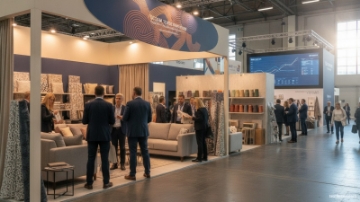
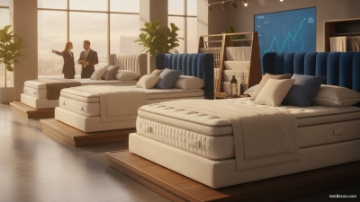
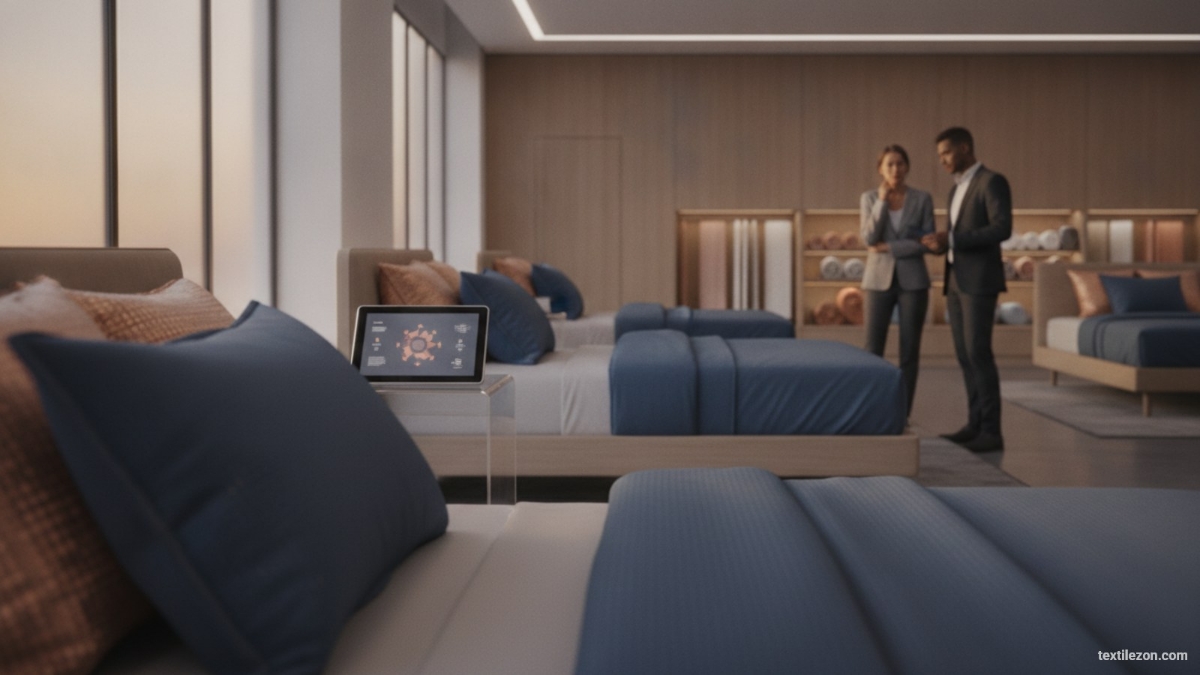
Bel Furniture placed the pillow collection directly within its mattress departments rather than in separate accessory sections. This co-location strategy creates natural cross-sell opportunities during mattress purchase conversations while attracting pillow-only shoppers who enter the department without active mattress purchase intent.
The Technology-Matching Approach
Troy Simmons, general manager of operations at Bel Furniture, identifies technology alignment as the central conversion driver: "Pillows that match mattress technology is an instant add-on, and these pillows are the perfect addition to our Copper collection by Spring Air." This framing converts what might otherwise be a standalone accessory transaction into a cohesive sleep system purchase with a clear brand narrative.
The technology-matching strategy delivers two measurable retail benefits. It increases average transaction value by attaching a $199–$249 pillow to mattress sales. It also creates a branded collection story that distinguishes the retail display from generic bedding merchandise — a meaningful competitive differentiator on crowded showroom floors.
Dual-Channel Traffic Generation
Spring Air designed the pillow program to engage two distinct consumer segments simultaneously. Active mattress shoppers represent the first segment, for whom the copper pillow is a natural technology-aligned add-on purchase. The second segment includes consumers not currently in the market for a mattress but who engage with the copper health-and-wellness story independently.
This dual-channel model expands the effective addressable market for mattress retailers beyond the limited frequency of major furniture purchase cycles. Pillow programs can generate consistent foot traffic and sales activity independent of mattress purchase timing — a meaningful operational advantage for showroom productivity.
B2B Opportunity: Pillow Programs as Revenue Multipliers
For home textiles retailers and B2B procurement professionals, the Sleep Copper program illustrates a commercially validated model: premium pillow programs as revenue multipliers within established mattress retail environments. Over 5,000 units sold in 60 days confirms that consumers are receptive to health-positioned sleep accessories at price points well above mass-market alternatives.
Premium copper-infused pillows typically carry favorable margin profiles relative to mattresses on a per-square-foot display basis. A $249 pillow occupying minimal floor space delivers higher revenue density than equivalent mattress display area, making pillow programs financially attractive for retailers focused on optimizing showroom productivity metrics.
Supplier and Brand Alignment Considerations
The Bel Furniture and Spring Air collaboration shows how brand-aligned pillow collections reinforce mattress brand identity at retail. Consumers who purchase matching Sleep Copper mattresses and pillows deepen their engagement with the brand ecosystem — supporting long-term brand loyalty for manufacturers and reducing price-comparison vulnerability for retailers.
For B2B buyers sourcing copper-infused pillow materials, key evaluation criteria include copper integration method (infused matrix vs. surface coating), latex certification type (natural vs. synthetic blend), foam density and ILD rating, and cover fabric composition with washability standards. These specifications determine both functional performance and the retail narrative available to sales teams. Explore additional articles on home textiles materials and product innovation in the Textilezon Info Center.
The Bel Furniture Case Study
Bel Furniture, a 14-store retailer based in Houston, provides the primary commercial benchmark for the Spring Air Sleep Copper pillow program. The retailer achieved over 5,000 copper pillow unit sales during the program's first 60 days — a launch performance that Spring Air describes as exceeding early expectations for a new retail category.
Bel carries two models from the Copper collection within its mattress departments: the Copper Freeze memory foam pillow for side sleepers and the standard-loft copper pillow for back and side sleepers. Both are displayed within the Spring Air Sleep Copper mattress zone, reinforcing the technology-matching approach at the point of decision.
The program's strong early results reflect several favorable conditions: a health-conscious Houston consumer base, retail sales associates trained to articulate copper's functional material properties, and a visually compelling Copper by Spring Air in-store display. Simmons credits the pillow-mattress alignment as the primary engagement driver — the product story is immediately intuitive to shoppers already considering the mattress collection.
Bates contextualizes the program's commercial relevance against broader consumer spending hesitancy: "As we head into the summer months, the key for all retailers is engaging consumers, especially those who may be hesitant about making big-ticket purchases." At $199–$249, the copper pillow provides an accessible brand entry point for consumers deferring major mattress investments while keeping them engaged with the Spring Air product ecosystem.
Market Outlook for Copper-Infused Bedding
The commercial success of copper pillow programs reflects a durable structural shift in how consumers evaluate home textiles: functional performance and credible health narratives now command price premiums that were previously limited to mattresses. Materials science attributes — antimicrobial protection, temperature regulation, anti-inflammatory properties — have become active purchase criteria rather than marketing addenda.
For B2B professionals across the home textiles supply chain, the copper pillow category represents an active product development and sourcing priority. Manufacturers capable of supplying quality copper-infused foam, latex, and cover materials will serve a growing segment of bedding brands seeking differentiation through material science. The retail program model pioneered by Spring Air and Bel Furniture provides a replicable commercial template for category entry and growth across regional and national retail channels.
Frequently Asked Questions
What makes copper pillows different from standard memory foam pillows?
Copper pillows incorporate copper particles within the foam or fibre matrix, delivering antimicrobial, anti-inflammatory, and temperature-regulating properties that standard memory foam cannot provide. The structural copper integration ensures these functional benefits persist throughout the product's lifespan, unlike surface-applied treatments that degrade with use. Ventilated latex cores further enhance airflow and heat dissipation well beyond what conventional memory foam construction achieves alone.
How does the shoulder cutout in the Copper Freeze pillow benefit side sleepers?
The Copper Freeze memory foam pillow features a recessed shoulder zone that allows side sleepers to position the pillow beneath their head while the shoulder rests in a lower-profile area. This design maintains neutral cervical spine alignment by preventing shoulder elevation from pushing the head upward during lateral sleep. The ergonomic cutout addresses a biomechanical limitation of standard rectangular pillow profiles that side sleepers commonly experience as neck tension and morning stiffness.
What is the commercial case for a retailer adding a branded copper pillow program?
A branded copper pillow program increases average transaction value by attaching a $199–$249 product to mattress purchases, improving showroom revenue per square foot. It also generates independent foot traffic from health-conscious consumers not actively purchasing a mattress, expanding the department's effective selling opportunity. Spring Air's Sleep Copper program achieved over 5,000 unit sales in 60 days across Bel Furniture's 14 Houston locations, providing a concrete and replicable performance benchmark.
Why is ventilated latex used alongside copper-infused memory foam in these constructions?
Ventilated latex creates open-cell airflow channels that accelerate heat transfer away from the sleep surface, complementing the thermal conductivity of copper particles within the foam layer. Latex also delivers responsive support and natural resilience, providing a performance characteristic distinct from the slower pressure-relief response of memory foam. The combination achieves contouring comfort and active temperature management within a single pillow construction that neither material accomplishes independently.
How should B2B buyers evaluate copper-infused pillow materials for sourcing decisions?
B2B buyers should assess copper integration method — infused throughout the foam matrix versus surface coating — along with copper content percentage and distribution uniformity across the substrate. Additional criteria include latex type and relevant certifications, foam density and ILD rating, and cover fabric composition with washability and durability requirements. Suppliers should provide antimicrobial efficacy test documentation, and brand-aligned programs that match pillow materials to existing mattress collections deliver additional retail differentiation value that justifies premium sourcing investment.
Key Takeaways for Home Textiles Professionals:
- Spring Air's Sleep Copper pillow collection surpassed 5,000 unit sales in 60 days across Bel Furniture's 14 Houston locations, confirming strong and immediate consumer appetite for premium copper-infused sleep products.
- Copper-infused materials deliver antimicrobial, anti-inflammatory, and temperature-regulating performance that supports retail price points of $199–$249 — substantially above conventional pillow alternatives and favorable for supply chain margin structures.
- Technology-matching merchandising — placing copper pillows within copper mattress display zones — drives mattress attachment sales and independent pillow-category foot traffic simultaneously, maximizing showroom revenue density.
- Premium pillow programs represent a space-efficient, high-margin revenue layer within mattress retail environments, making them a strategically sound addition to B2B home textiles portfolios.
- The sleep wellness trend sustains durable consumer demand for materials-science-backed bedding products, positioning copper-infused pillows as a long-term category priority within the home textiles market.
The copper pillow category has transitioned from emerging innovation to commercially validated retail segment. B2B professionals in home textiles manufacturing, sourcing, and retail who build copper-infused material capabilities now are positioned to capture a growing share of the premium sleep wellness market for years ahead.