The home textiles sector is experiencing a decisive shift toward handcraft, luxury fibers, and organic inspiration. A new Notable report from Home Accents Today — sister publication of Home Textiles Today — highlights the products capturing B2B buyers' attention across retail floors and trade fair showrooms. From handmade linen to hand-woven cashmere and floral-inspired accents, the 2026 home textiles landscape rewards quality, authenticity, and artisanal production.
Table of Contents
- The Handcraft Revival in Home Textiles
- Linen Rediscovered: Tam Tam Paper & Cloth
- Luxury Cashmere: Alonpi's Hand-Woven Throw
- Accent Tables as Artistic Surfaces
- Biophilic Design: Bringing the Garden Indoors
- Dopamine Décor at High Point Market
- Strategic Takeaways for B2B Buyers
- Frequently Asked Questions
The Handcraft Revival in Home Textiles
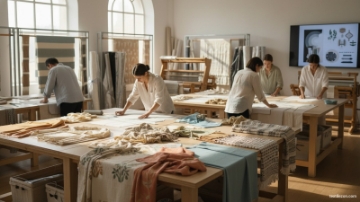
Across trade fairs and specialty retail channels, handmade home textiles are commanding premium positioning. Consumers and commercial buyers alike are prioritizing authenticity over mass production. This preference is reshaping procurement decisions at every level of the supply chain.
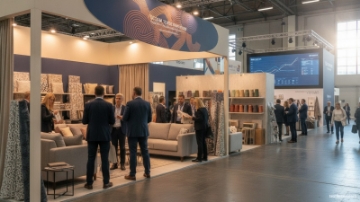
The trend is not limited to one material or region. Buyers attending markets in Atlanta and High Point have reported a growing appetite for products that communicate origin stories and artisanal skill. For B2B textile professionals, this signals a durable opportunity rather than a passing moment.
Linen Rediscovered: Tam Tam Paper & Cloth
At the Atlanta Market, retailer Madeline Stewart of Mustard Seed Market & Home discovered Tam Tam Paper & Cloth, an American linen supplier based in Sheldon, South Carolina. All items are handmade domestically, offered across a wide range of patterns and designs. Product lines span tea towels, napkins, and tablecloths.
Stewart specifically highlighted the Water Garden print as one of the brand's best-sellers on the retail floor. This type of locally produced, handmade linen offers a compelling provenance story for specialty retailers seeking differentiation. For B2B buyers sourcing home textiles, domestic artisan producers like Tam Tam represent a growing segment worth monitoring.
The linen category has historically been overshadowed by cotton and synthetic blends in volume production. However, consumer demand for natural fibers and sustainable sourcing is repositioning linen as a preferred material in the home textiles premium segment. Trade buyers should take note of small-batch domestic suppliers entering this space.
Luxury Cashmere: Alonpi's Hand-Woven Throw
Alonpi Cashmere is an established name in both ready-made and private label luxury textiles, with a strong reputation for refined styling. The brand manufactures in Italy, maintaining artisanal production standards across its range. Industry expert Saana Baker of The Textile Eye featured the company's latest hand-woven throw as an exceptional example of material innovation.
Construction and Fiber Innovation
The throw's construction technique is particularly noteworthy for textile professionals. A shoelace-like cashmere yarn is laid in and then cut to create a velvety surface effect, finished with a hand-tied fringe. This method produces a surface texture described as substantial, lofty, and exceptionally soft.
Such construction techniques demonstrate how fiber processing and finishing can generate entirely new tactile experiences from existing luxury materials. For procurement professionals, Alonpi's approach highlights the value of asking suppliers about yarn construction — not just raw fiber grade. Made-in-Italy provenance continues to command premium retail pricing in the cashmere category.
Accent Tables as Artistic Surfaces
The Mangiafuoco low table by Zanellato/Bortotto for Italian design house Moroso represents an unexpected intersection of material science and decorative art. The table uses copper as a base canvas, with vitreous powders fused through high-temperature firing. The resulting color effects are described as gorgeous and completely unique.
According to Judith Van Vliet of The Color Authority, what makes Mangiafuoco compelling is its embrace of imperfection. Designers allow color to emerge naturally during the firing process, celebrating irregularity as a design virtue. Each piece is a singular, unrepeatable expression of material, heat, and time.
While this product sits at the furniture-décor boundary, its material story resonates directly with home textiles professionals. Surface texture, color complexity, and the rejection of uniformity are aesthetic principles now influencing upholstery, throw, and decorative textile design. The Mangiafuoco table reflects the broader industry move toward artisanal irregularity as a premium differentiator.
Biophilic Design: Bringing the Garden Indoors
Biophilic design — the principle of incorporating nature-inspired elements into interior spaces — continues to gain momentum in 2026. Industry consultant Leigh Ann Schwarzkopf of Project Partners Network highlighted a floral product line from Widgeteer as a strong example of this trend in action. Products include flower-themed mugs and candles that bring real botanical aesthetics into everyday home objects.
Schwarzkopf noted that the floral theme has been building momentum across multiple trade channels. The Widgeteer candles were launched at the Inspired Home Show, while the mugs have begun appearing in specialty retail stores. The consumer desire for nature connection is driving product categories well beyond traditional home textiles into accessories and tabletop.
For textile professionals, the biophilic trend has direct material implications. Floral prints, botanical jacquards, and organic textures are increasingly relevant in home textile lines including bedding, table linen, and decorative cushions. Buyers who track these adjacencies can position their sourcing ahead of retail demand cycles. Explore more trend coverage and industry insights in the Info Center.
Dopamine Décor at High Point Market
The concept of dopamine décor — interiors designed to uplift mood through color, pattern, and personality — was clearly on display at the latest High Point Market. Trend-spotter Riann Henkel of Sphere Trending identified a range of charming accent tables from Vanguard that embodied this approach. The pieces blend playful design with refined living room functionality.
Henkel described the Vanguard tables as combining soft textiles with a pop of pattern, creating an instant dopamine effect. The result is expressive, uplifting, and full of personality without sacrificing everyday practicality. This balance of aesthetics and function is precisely what commercial buyers seek when sourcing for retail environments.
High Point Market remains one of the most important venues for B2B home textiles and décor sourcing globally. The dopamine décor trend signals that colorful, pattern-rich textiles will perform well in specialty retail through 2026 and into 2027. Procurement teams should factor this into forward-looking buying strategies for decorative textiles and soft furnishings.
Strategic Takeaways for B2B Home Textile Buyers
The 2026 Notable report from Home Accents Today surfaces several actionable signals for trade buyers and procurement professionals. Luxury fiber quality, domestic artisan production, and nature-inspired design are all gaining traction simultaneously. These are not isolated micro-trends — they reflect a coherent consumer shift toward intentional, meaningful home environments.
Key priorities emerging from this market intelligence include:
- Artisan sourcing: Identify handmade textile suppliers with strong provenance stories, particularly in linen and cashmere categories.
- Fiber construction depth: Go beyond raw material grades — ask suppliers about yarn construction techniques that create novel surface effects.
- Biophilic print direction: Floral and botanical designs are performing across multiple product categories; factor this into print decisions for 2026-2027.
- Dopamine color palettes: High-personality, pattern-rich textiles are in strong demand for specialty retail — position accordingly in decorative home textiles lines.
- Made-in credentials: Country-of-origin narratives — particularly Italy and USA domestic production — continue to command retail price premiums.
Frequently Asked Questions
What is driving demand for handmade home textiles in 2026?
Consumer preference for authenticity, sustainability, and unique provenance stories is the primary driver. Retail buyers report that handmade products with strong origin narratives command higher margins and better customer engagement than mass-produced alternatives. Domestic artisan producers like Tam Tam Paper & Cloth in Sheldon, South Carolina are benefiting directly from this shift.
Why is cashmere construction technique important for B2B buyers?
The way cashmere yarn is processed and finished dramatically affects the final product's texture, hand-feel, and perceived value. Alonpi Cashmere's shoelace-like yarn technique — cut to create a velvety surface — demonstrates how construction innovation differentiates a product beyond raw fiber quality alone. B2B buyers should evaluate yarn architecture, not just fiber grade, when sourcing luxury throws.
What is dopamine décor and why does it matter for textile sourcing?
Dopamine décor is an interior design approach that prioritizes mood-boosting color, bold pattern, and expressive personality in living spaces. For home textile sourcing, this translates into demand for vibrant prints, mixed patterns, and high-contrast color combinations in decorative cushions, throws, and table textiles. Buyers sourcing for specialty retail should prioritize pattern-rich collections through 2026.
How does biophilic design influence home textile product development?
Biophilic design is increasing demand for floral prints, botanical jacquards, and organic textures across all home textile categories. The trend extends from soft furnishings into tabletop and accessories, as evidenced by Widgeteer's floral candle and mug launches at the Inspired Home Show. Textile buyers can leverage this by prioritizing nature-inspired print development for 2026-2027 lines.
Which trade fairs are most relevant for sourcing luxury home textiles?
High Point Market and the Atlanta Market are the two primary sourcing venues highlighted in the 2026 Notable report. High Point Market in North Carolina is widely regarded as the world's largest home furnishings trade show. The Inspired Home Show is another key platform for home textiles and accessories product launches.
Key Takeaways:
- Handmade linen and domestic artisan suppliers are gaining significant B2B traction, as demonstrated by Tam Tam Paper & Cloth's retail success in Sheldon, South Carolina.
- Luxury cashmere innovation goes beyond fiber grade — construction technique, as seen in Alonpi Cashmere's hand-woven throw, creates meaningful product differentiation.
- Biophilic and dopamine décor trends are shaping print and pattern direction across home textiles for 2026 and beyond.
- High Point Market and Atlanta Market remain essential sourcing and trend intelligence venues for home textile professionals.
B2B buyers who align their sourcing strategy with artisan production, fiber innovation, biophilic design, and expressive pattern will be well-positioned to meet specialty retail demand through 2027. For ongoing home textile market intelligence, explore additional articles on Textilezon's platform.