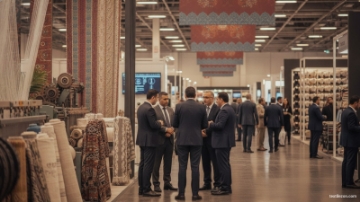
The Bangladesh Textile Mills Association (BTMA) is pushing back hard against a proposed policy that would eliminate the value-addition requirement on garment raw material imports. At a press conference held at the Gulshan Club in Dhaka, industry leaders made clear that scrapping the 30 percent threshold poses a direct threat to the domestic textile sector. Without the rule, they warn, garment exporters will shift sourcing to foreign suppliers, flooding the market with imported yarn.
Industry's Case for the Value-Addition Rule
BTMA president Showkat Aziz Russell urged the government to reverse its proposal in the 2026-27 fiscal budget to remove the 30 percent value-addition mandate. The rule currently requires garment exporters to source a defined share of raw material value from domestic suppliers. Russell stated that abandoning it would put approximately $23 billion in existing industry investments at risk.
The association frames the Textile Value-Addition Rule as a non-negotiable safeguard for national competitiveness. As Bangladesh approaches LDC (Least Developed Country) graduation, the country must satisfy double-transformation requirements to retain preferential trade access. A strong domestic raw material base is essential to meeting those conditions and securing long-term export stability.
Spinning Mills Under Severe Pressure
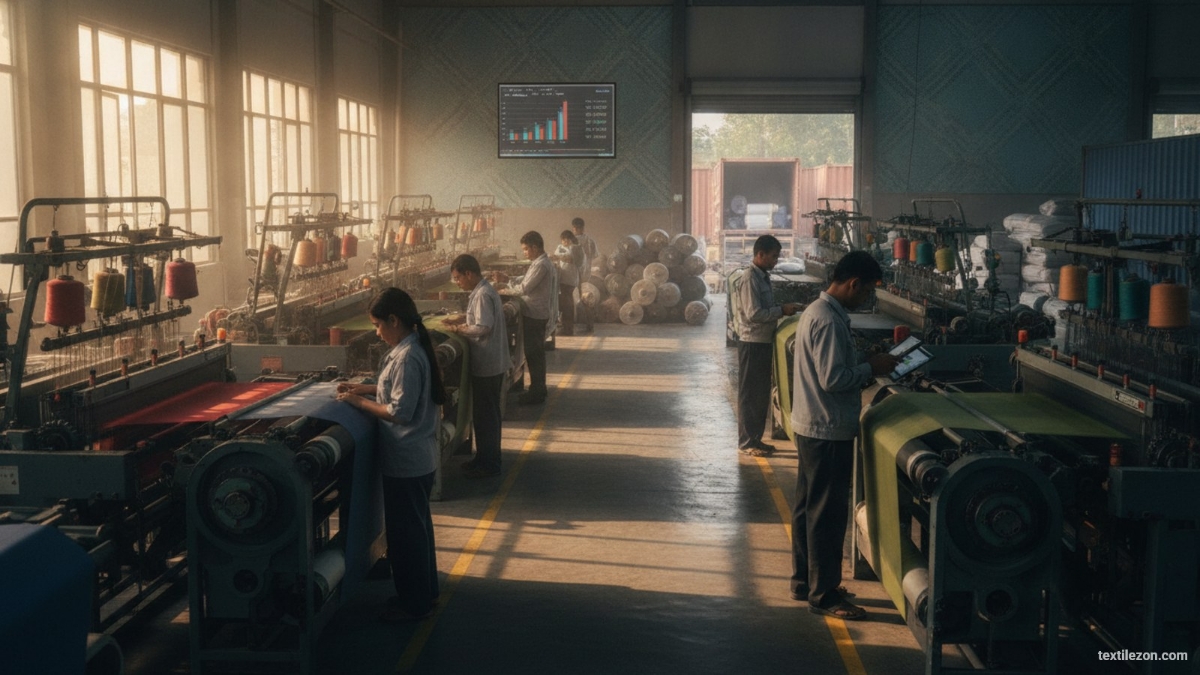
The scale of the sector's decline is stark. Of 234 BTMA-member spinning mills, 114 have ceased operations since 2019 — nearly half of the industry. Facilities that remain active operate at only 60 to 70 percent of total capacity, constrained by inconsistent gas supply and rising competition from foreign yarn.
Indian yarn imports rose 22.07 percent year-on-year, reaching $1.79 billion in fiscal year 2024-25, up from $1.48 billion the prior year. Russell pointed to government subsidies enjoyed by regional competitors — including capital investment support and interest assistance — as a key driver of artificially low import prices. Industry experts also note that supply disruptions from foreign exporters, who at times redirect yarn to other markets without notice, have caused local shortages and price spikes.
Proposed Tax Reforms to Attract Investment
The BTMA is calling for a significant reduction in the corporate tax rate. Currently set at 27.5 percent, the association seeks a cut to 12 percent, sustained through 2030. This would narrow the gap with export-oriented garment factories, which already benefit from rates of 10 to 12 percent.
A prior tax concession for the primary textile sector expired in mid-2025, widening the disparity further. The association describes the current structure as discriminatory and argues that a lower rate would draw foreign direct investment back into a sector critical to the national economy. For ongoing coverage of Bangladesh's textile trade policies, visit the Info Center at textilezon.com.
Frequently Asked Questions
What is the 30 percent value-addition requirement?
It mandates that garment exporters source at least 30 percent of raw material value from domestic suppliers. The BTMA argues this rule sustains local spinning and weaving capacity and shields it from intensifying foreign competition.
Why does LDC graduation affect Bangladesh's textile trade rules?
After graduation, Bangladesh loses access to certain preferential trade terms tied to its LDC status. Demonstrating double-transformation — domestic production of both yarn and fabric — becomes critical to qualifying for alternative trade benefits in major export markets.
How significant is the decline in Bangladesh's spinning sector?
114 of 234 BTMA-member spinning mills have stopped operations since 2019. Remaining mills run at 60 to 70 percent capacity, reflecting the combined impact of energy supply issues and intensifying import competition from subsidized foreign producers.
The government's final decision on the value-addition rule in the 2026-27 budget will have lasting consequences for Bangladesh's textile industry. Retaining the mandate supports domestic capacity and long-term supply chain resilience as the country navigates LDC graduation and heightened global competition.