A bipartisan group of 16 U.S. lawmakers has formally asked the Department of Homeland Security to strengthen textile customs enforcement against alleged trade fraud and illegal imports. Led by Representatives David Rouzer and Adriano Espaillat, the initiative signals growing urgency around customs compliance in the U.S. textile sector.
Bipartisan Letter Targets Textile Trade Fraud
Representatives Rouzer and Espaillat, joined by 14 colleagues, have urged DHS to take decisive action against alleged customs violations affecting the textile trade. Their letter outlines how some foreign producers route goods through countries with U.S. free-trade agreements to bypass tariffs and customs laws.
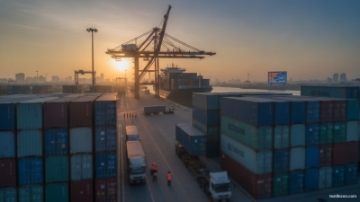
This practice — known as trade diversion — undercuts domestic manufacturers by introducing goods that avoid proper duty payments. The lawmakers call on DHS to improve fraud detection, strengthen enforcement mechanisms, and impose tougher penalties on repeat offenders. Stay current on U.S. trade policy with the latest textile news on textilezon.com.
Economic Stakes of U.S. Textile Customs
The congressional letter underscores the enormous economic footprint of the U.S. textile industry. The United States ranks as the second-largest global exporter of textile products, contributing more than $65 billion annually to the national economy.
In Fiscal Year 2024, U.S. Customs and Border Protection (CBP) collected $13.2 billion in textile-related duties — approximately 17 percent of all duties collected that year. The industry also sustains U.S. cotton growers, fiber producers, and broader agricultural supply chains, making customs integrity a matter of national economic policy.
Key Enforcement Measures Requested from DHS
The bipartisan group outlined concrete measures for DHS and CBP to implement without delay. Key requests include:
- Enhanced fraud detection targeting transshipment and trade diversion schemes
- Strengthened enforcement protocols at U.S. ports of entry
- Tougher penalties — including blacklisting — against repeat customs violators
- Greater accountability for importers exploiting FTA partner countries to circumvent tariffs
Congressman Rouzer stated: "North Carolina has remained a top textile manufacturer even with foreign actors and organized crime undermining our great industry when they illegally circumvent our customs process. It's time for that to end."
He added that Secretary Mullin's leadership would be essential to punishing and blacklisting bad actors targeting North Carolina's textile manufacturing base.
Frequently Asked Questions
Why are U.S. lawmakers focused on textile customs enforcement?
Some foreign producers allegedly route goods through free-trade agreement countries to avoid U.S. tariffs. This harms domestic manufacturers and reduces federal duty revenue, prompting bipartisan congressional pressure on DHS to strengthen CBP oversight and fraud detection.
How much does the U.S. textile industry contribute to the economy?
The U.S. textile industry contributes more than $65 billion annually to the economy. In FY2024, CBP collected $13.2 billion in textile-related duties — approximately 17 percent of all U.S. duties collected that year.
What specific enforcement steps did lawmakers request?
Lawmakers requested improved fraud detection, stronger port-of-entry enforcement, and tougher penalties for repeat violators — including blacklisting. They also called for greater accountability for importers who exploit free-trade agreement routes to bypass tariff obligations.
With broad bipartisan backing and growing scrutiny of customs fraud, U.S. textile manufacturers and B2B importers can expect heightened CBP enforcement activity in the near term. Businesses sourcing through FTA partner countries should proactively review country-of-origin documentation, supply chain compliance, and import arrangements to stay ahead of tightening regulatory standards.