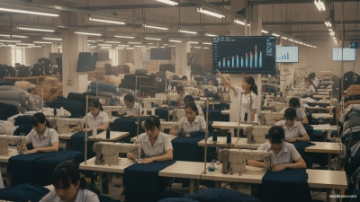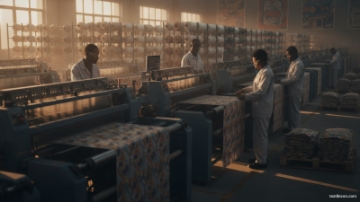
The reauthorization of the African Growth and Opportunity Act (AGOA) has placed US cotton exports at the center of an intensifying trade policy debate. Lawmakers and industry leaders are evaluating whether integrating American raw materials into African garment supply chains can build political support for extending AGOA trade preferences. These discussions carry far-reaching consequences for textile manufacturers, smallholder farmers, and B2B procurement professionals across sub-Saharan Africa.
The US Cotton Proposal in AGOA Trade Talks
Supporters of the proposed framework argue that encouraging African apparel manufacturers to source American cotton would generate goodwill in Washington and strengthen the case for AGOA renewal. Under this model, sub-Saharan garment producers would use US cotton exports as primary inputs for finished apparel, shipped to global buyers under preferential access terms. Proponents believe this reciprocal arrangement creates clear economic incentives for American agricultural producers while stabilizing AGOA trade benefits during legislative review.
However, the proposal has not gained universal support. Industry observers point to the complexity of shifting established supply chains and the political sensitivities involved in requiring African manufacturers to source from a specific foreign market as key obstacles to implementation.
Regional Cotton Farming and the Risk of Import Dependence
Sub-Saharan Africa is itself a significant raw cotton exporter, with millions of smallholder farmers depending on domestic cultivation for economic stability. Domestic agricultural groups warn that encouraging heavy reliance on imported US cotton could depress local commodity markets and undermine the farming base that supports millions of rural livelihoods.
Representatives from cotton-producing nations argue that sustainable growth requires strengthening regional value chains, not bypassing them in favor of foreign inputs. Industrial manufacturers, however, counter that access to global raw material markets—including US cotton exports—is essential for maintaining price competitiveness of African garment products globally. For the latest analysis on global textile trade developments, visit the textile news section at textilezon.com.
Policy Outlook: Shaping AGOA Trade for the Future
Policymakers face the challenge of designing AGOA trade rules that support manufacturing growth without weakening domestic agriculture. Future legislative updates will define rules of origin and agricultural trade concessions that determine which supply chain models receive preferential treatment under the renewed framework.
Building fully integrated vertical supply chains—from raw cotton to finished garments—requires substantial infrastructure investment that many African producers are still pursuing. Policy designs that assume seamless substitution between domestic and imported cotton inputs risk overlooking structural realities on the ground. The trajectory of these negotiations will signal whether the US-Africa trade relationship prioritizes long-term mutual industrial growth or narrower short-term export gains.
Frequently Asked Questions
What is AGOA and why does it matter for textile trade?
AGOA grants eligible sub-Saharan African countries duty-free access to the US market for garments and textiles. Its reauthorization is critically important for African apparel exporters, B2B buyers, and global supply chain planners who depend on these preferential trade terms.
How could sourcing US cotton affect African smallholder farmers?
If African manufacturers shift sourcing to imported US cotton, demand for locally grown cotton may decline, reducing income for millions of smallholder farmers across sub-Saharan Africa. Agricultural groups argue this economic risk outweighs the manufacturing benefits the proposal offers.
What will determine the outcome of the AGOA reauthorization debate?
The final framework will depend on how legislators define rules of origin and agricultural sourcing requirements. Stakeholders from both manufacturing and farming sectors are actively engaging with policymakers to influence which interests the renewed AGOA trade agreement ultimately prioritizes.
The AGOA reauthorization debate marks a defining moment for African textile trade policy. The balance struck between US cotton export interests and regional agricultural development will set the trajectory for sub-Saharan manufacturing competitiveness for years ahead.