Tanzania and Brazil have forged a landmark partnership to combat child labour in the cotton sector. The two nations are working together to strengthen working conditions and expand social protections for cotton workers across Tanzania. Backed by the International Labour Organization, this bilateral initiative marks a decisive step toward ethical standards in global cotton supply chains.
A Strategic Alliance for Labour Reform
The Tanzania-Brazil collaboration targets the root conditions that allow child labour to persist in cotton farming communities. Both governments are channelling institutional resources and expertise into Tanzania's cotton-producing regions, where smallholder farming families face significant economic pressures. The programme aims to deliver lasting structural reform rather than short-term compliance measures.
Brazil brings proven experience in anti-child labour programming to this partnership. Its domestic expertise in social protection frameworks and labour inspection systems makes it a credible partner for Tanzania's reform agenda. Together, the two countries are aligning their efforts with the ILO (International Labour Organization) framework on worker rights and minimum working age standards.
Child Labour Challenges in Tanzania's Cotton Sector
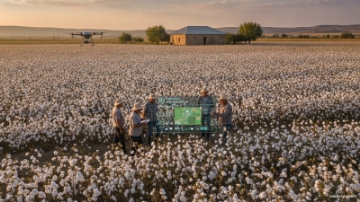
Child labour remains a critical challenge in Tanzania's cotton-growing regions, where smallholder farming is the dominant production model. During peak harvesting seasons, economic pressure on farming households frequently draws children into fieldwork, disrupting their education and long-term opportunities. According to the ILO, agriculture accounts for the largest share of child labour globally, and cotton farming is among the most affected subsectors.
Cotton is one of Tanzania's most significant export commodities, sustaining farming communities across the country's agricultural regions. Eliminating child labour in this sector requires stronger enforcement of existing labour laws and expanded social safety nets. Without targeted social protection, families dependent on agricultural income face difficult trade-offs that keep children out of school and in the workforce.
Key Protections and Implications for Textile Buyers
The bilateral programme addresses several interconnected reform priorities to protect cotton workers and their communities in Tanzania:
- Strengthening labour inspection capacity in cotton-producing districts
- Expanding social assistance programmes for at-risk farming households
- Launching community awareness campaigns on child labour laws and worker rights
- Developing educational access initiatives to improve school enrolment among farming families
- Aligning national policy with ILO conventions on child labour and minimum working age
For textile manufacturers, importers, and procurement professionals sourcing cotton from Tanzania, this initiative has direct supply chain relevance. Buyers operating under responsible sourcing frameworks will need to verify labour compliance at the farm level, as traceability requirements continue to tighten across global textile trade. Supply chain transparency is now a baseline expectation in B2B procurement, not an optional standard.
Professionals tracking labour compliance and social sustainability developments can follow updates through Textilezon's textile news coverage. This partnership sets a new benchmark for international cooperation on ethical cotton production, with implications that will shape supply chain practices for years to come.
Frequently Asked Questions
What is the goal of the Tanzania-Brazil cotton partnership?
The partnership aims to eliminate child labour from Tanzania's cotton sector by improving working conditions, expanding social protections, and strengthening labour law enforcement. Both nations are working within ILO frameworks to build sustainable, rights-based cotton production standards.
How does the ILO support this initiative?
The ILO provides the international standards and technical expertise that underpin this collaboration. Its conventions on child labour and minimum working age give both countries a robust legal and ethical foundation for reform programmes in Tanzania's cotton farming sector.
Why should textile buyers monitor this development?
Textile buyers sourcing cotton from Tanzania face growing regulatory and reputational pressure to ensure their supply chains are free from child labour. Monitoring partnerships like this one helps procurement teams anticipate evolving compliance requirements and maintain responsible sourcing standards across their supplier base.