Influencer marketing in India is on a steep upward trajectory, with the industry projected to reach US $467 million – US $519 million by the end of 2026. This growth, reported by influencer marketing platform Kofluence, marks a dramatic shift in how fashion and apparel brands engage their audiences. For the global textile and retail sector, India's creator economy is becoming a force that brands can no longer afford to overlook.
India's Influencer Marketing Industry at a Glance
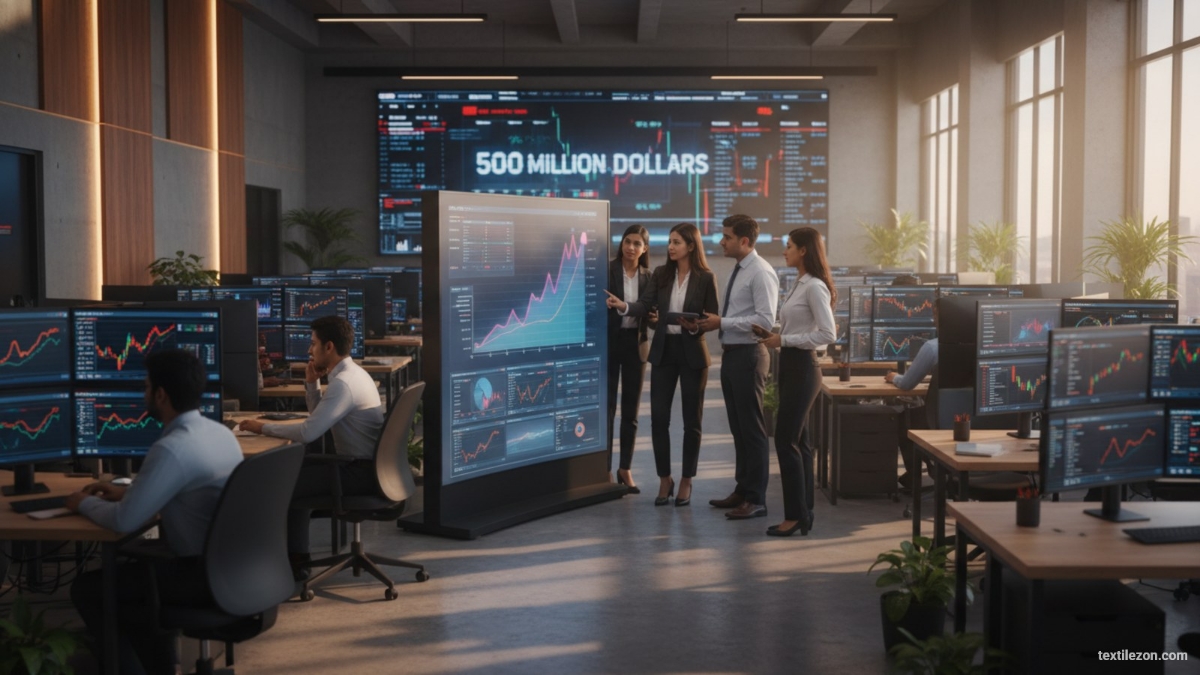
The industry recorded a value of Rs. 3,000–3,500 crore (US $311 million – US $363 million) in 2025. Projections for 2026 place it between Rs. 4,500–5,000 crore (US $467 million – US $519 million), representing year-on-year growth of roughly 43–50%. The Kofluence report frames this expansion as a structural change, not a short-term spike.
India's large and digitally active population underpins this momentum. With hundreds of millions of smartphone users, the country offers unmatched scale for influencer-driven campaigns. Fashion and apparel brands have been among the fastest adopters of this marketing model.
Fashion and Apparel Brands Lead Influencer Spend
Apparel retail is one of the top verticals fueling influencer marketing investment in India. Both domestic labels and international fashion brands are allocating growing portions of their marketing budgets to creator partnerships. The shift mirrors broader trends in online retail, where peer recommendation consistently outperforms traditional advertising in purchase intent.
Micro-influencers and nano-influencers are particularly valued in the fashion segment. They deliver targeted reach, stronger engagement rates, and lower cost-per-impression than celebrity endorsements. B2B textile suppliers are also beginning to explore digital creator strategies as part of their brand-building efforts.
- Fashion and lifestyle remain the dominant spending categories in influencer marketing
- E-commerce and direct-to-consumer apparel brands are among the top budget allocators
- Micro-influencers offer high engagement at scalable costs for fashion campaigns
- Tier-2 and tier-3 city audiences are increasingly reachable through regional creators
Key Factors Driving the Growth
Several converging factors are accelerating India's influencer marketing boom. Rising internet penetration, increased social media usage, and a maturing creator ecosystem all contribute. Platforms like Instagram, YouTube, and short-video apps have become the primary discovery channels for fashion consumers across the country.
Advanced analytics platforms enable brands to measure return on investment with precision, which strengthens the business case for influencer spend. As measurement tools improve, even conservative marketing teams are redirecting budgets toward creator-led campaigns. For ongoing coverage of how digital trends are reshaping the fashion and apparel sector, visit the textile news section on Textilezon.
Frequently Asked Questions
What is the projected value of India's influencer marketing industry in 2026?
According to Kofluence, the industry is expected to surpass Rs. 4,500–5,000 crore, equivalent to US $467 million – US $519 million, by the end of 2026.
Which sectors are driving influencer marketing growth in India?
Fashion, apparel, and online retail are the primary drivers. Consumer lifestyle brands and e-commerce platforms account for a significant share of influencer marketing investment in India.
How does this trend affect B2B textile businesses?
Influencer marketing shapes consumer demand patterns that directly impact textile sourcing and production volumes. B2B suppliers benefit by tracking where retail demand is shifting and aligning their product offerings with emerging consumer preferences.
India's influencer marketing sector is redefining fashion retail strategy at a scale that textile and apparel professionals must actively monitor. Brands that align early with this creator-driven economy will hold a measurable competitive advantage in one of the world's largest and fastest-growing apparel markets.