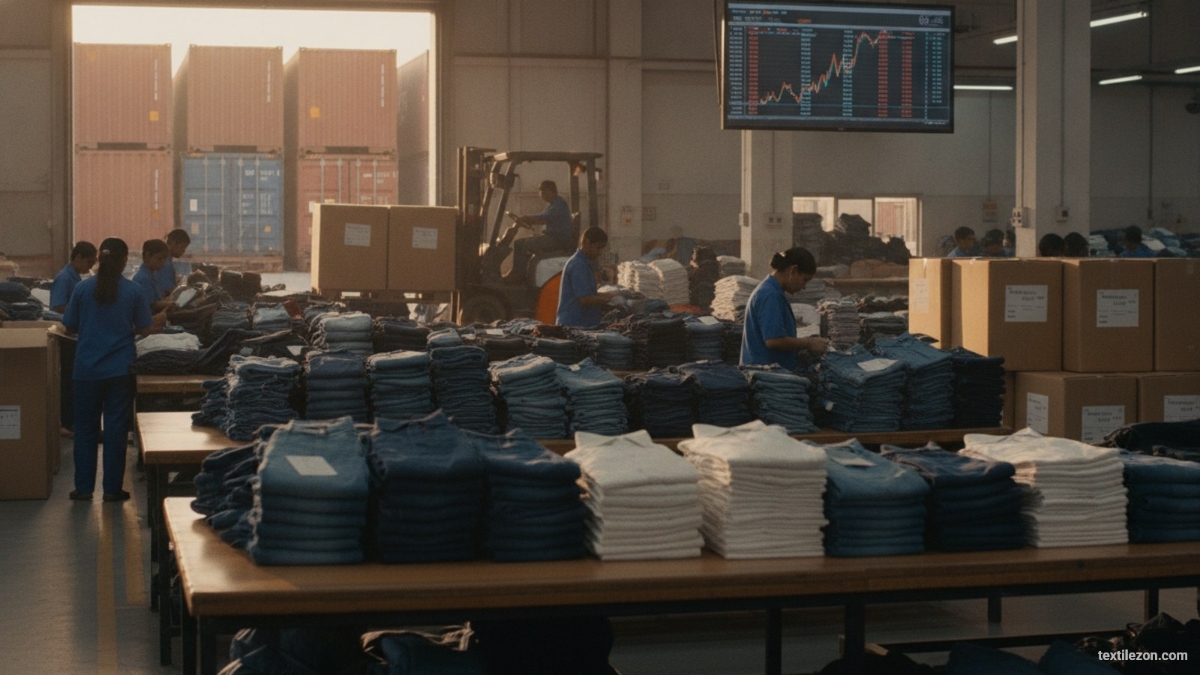
Indian apparel exporters face intensifying commercial pressure as US buyers push for price reductions of 5–10% across multiple product categories. The squeeze arrives at an already difficult moment, with the sector battling weak global demand, surging production costs, and geopolitical disruptions reshaping trade flows. Industry leaders warn that sustained discounting at these levels could permanently erode exporter viability and India's competitive position in global apparel sourcing.
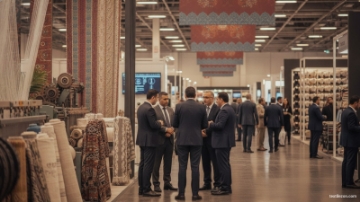
K.M. Subramanian, President of the Tirupur Exporters Association (TEA), confirmed that enquiries from US buyers remain active but are routinely paired with aggressive discount demands. The pattern signals a broader realignment of pricing power in global apparel sourcing relationships.
US Buyers Push for 5–10% Discounts Across Apparel Categories
American buyers are requesting discounts of 5% to 10% across a wide range of apparel product lines sourced from India. The demands are systematic rather than category-specific, reflecting a deliberate strategy to shift cost pressures onto the supplier base during a period of uncertain US consumer spending.
Indian exporters face a stark choice: accept below-target margins to retain key clients, or hold firm on pricing and risk losing orders to competing destinations such as Bangladesh, Vietnam, or Cambodia. Either path carries significant financial and strategic risk for businesses operating in a high-volume, low-margin trade environment.
TEA Flags Growing Risk for Tirupur's Garment Exporters
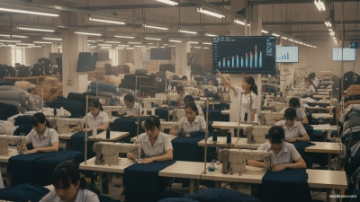
The Tirupur Exporters Association represents manufacturers in Tirupur, one of India's most important knitted garment export clusters. Tirupur contributes a major share of India's total apparel export revenue, making any sustained pricing pressure from the US market a matter of national trade concern.
TEA President Subramanian's public statements indicate that the association is actively monitoring the situation. The body is expected to engage with government stakeholders to explore targeted support measures, including export incentives and market access facilitation, to help exporters weather the current headwinds. Stay informed on developments across the textile trade through the Info Center on textilezon.com.
Geopolitical Disruptions and Cost Inflation Compound the Challenge
The discount demands from US buyers compound pre-existing cost pressures already straining Indian apparel exporters. Geopolitical disruptions — including trade policy uncertainty and supply chain realignment — have created demand volatility that buyers are actively using as negotiating leverage.
Exporters are simultaneously managing higher costs across the value chain:
- Rising raw material prices for cotton and synthetic fibres
- Higher energy, freight, and logistics costs
- Increasing compliance costs linked to ESG and sustainability requirements
The dual squeeze of declining revenues and rising costs leaves Indian apparel exporters with very limited flexibility. Sector recovery will depend on a combination of buyer relationship management, government policy support, and proactive market diversification.
Frequently Asked Questions
Why are US buyers demanding discounts from Indian apparel exporters?
US buyers are responding to soft consumer demand and economic uncertainty in their domestic market. They are seeking 5–10% price reductions from suppliers to protect their own margins and manage inventory risk in a challenging retail environment.
What role is the Tirupur Exporters Association playing?
TEA, led by President K.M. Subramanian, is monitoring the pricing pressure situation closely and is expected to engage Indian government bodies to seek export incentives and support measures for affected apparel exporters across the Tirupur cluster.
How can Indian apparel exporters protect their margins?
Exporters can strengthen their position by diversifying into higher-value product segments, pursuing alternative export markets, improving operational efficiency, and working through trade associations to secure government support on incentives and financing mechanisms.
The discount demands facing Indian apparel exporters reflect a fundamental shift in global sourcing dynamics. Exporters that differentiate on quality, compliance, and speed-to-market will be best placed to defend pricing power and sustain long-term US buyer partnerships. India's policy response will be equally decisive in shaping the sector's competitive trajectory over the coming months.