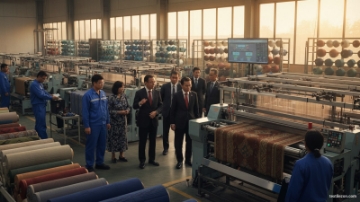
Sanko, a leading Turkish textile group, has unveiled plans for a major textile investment in Bangladesh, signaling its shift from importer to local manufacturer. During a high-level meeting on July 28, 2026, at the Secretariat in Dhaka, Sanko representatives presented the proposal to Bangladesh's textile leadership. Commerce, Industries, and Textiles and Jute Minister Khandakar Abdul Muktadir and State Minister for Textiles and Jute Md. Shariful Alam attended the discussion. The company wants to move beyond supplying Turkish textile goods and instead build a full-scale production headquarters inside the country.
This textile investment marks a strategic pivot for Sanko, positioning Bangladesh as a permanent manufacturing base rather than an export destination. You can expect the announcement to draw close attention from local ready-made garment producers who currently rely on imported fabric.
Why Sanko Is Targeting a Textile Investment in Bangladesh
Several factors are driving Sanko's decision to increase its foreign direct investment in Bangladesh. Rising demand from international buyers, a skilled local workforce, and the country's strong export capabilities all support the move.
- Growing international buyer demand for locally produced, high-value fabric
- Access to a large, skilled textile workforce
- Bangladesh's established export infrastructure and trade networks
The proposed facility will focus on high-end fabric manufacturing and advanced textile processing. By producing high-value-added textile products locally, Sanko aims to strengthen Bangladesh's export competitiveness on the global stage.
Manufacturing Scope, Timeline, and Sector Support
Sanko designed the new production base to support the country's ready-made garment and broader textile sectors. Local manufacturers will gain access to higher-quality materials without relying on imports.
The company also plans to offer technology transfer and skills development support to existing domestic factories, raising industry standards across the board. Sanko's delegation confirmed it has already completed preliminary site selection and held productive discussions with local partners.
- Construction timeline: 12 to 18 months after government approvals
- Operations launch: within a few months of final regulatory clearance
- Focus areas: high-end fabric manufacturing and advanced processing
Infrastructure Requests and Sustainability Commitments
To keep this textile investment on schedule, Sanko has asked the Bangladeshi government for infrastructure and administrative support. The company specifically requested an uninterrupted gas and electricity supply, expedited utility connections, and streamlined regulatory approvals.
Sustainability sits at the core of the plan. Sanko confirmed the facility will run on environment-friendly technologies and adopt coal-free energy management systems, aligning with international sustainability standards.
This approach should help the plant meet the strict compliance requirements that global buyers now demand. Once operational, the facility is expected to create substantial employment and expand the domestic supply of premium textile materials.
Frequently Asked Questions
What is Sanko's investment plan for Bangladesh?
Sanko wants to build a full-scale textile production headquarters in Bangladesh, shifting from supplying imported Turkish goods to manufacturing high-end fabric locally.
When did Sanko present this Bangladesh textile investment proposal?
Sanko representatives presented the proposal on July 28, 2026, during a high-level meeting at the Secretariat with Bangladesh's Commerce, Industries, and Textiles and Jute Minister.
How long will construction take?
Sanko expects construction to finish within 12 to 18 months after receiving the necessary government approvals, with full operations starting a few months later.
Sanko's proposed facility could reshape Bangladesh's fabric supply chain by combining foreign capital, sustainable production, and technology transfer. The project promises higher-quality domestic materials, new jobs, and stronger export competitiveness for local garment makers.
Government approval and infrastructure guarantees remain the key milestones to watch before construction begins. Follow textilezon.com's textile news section for updates as this Bangladesh textile investment moves forward.