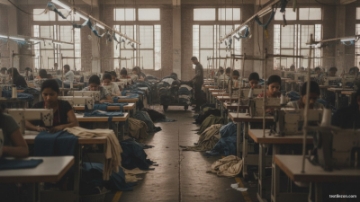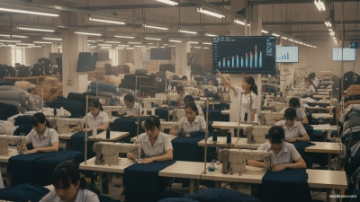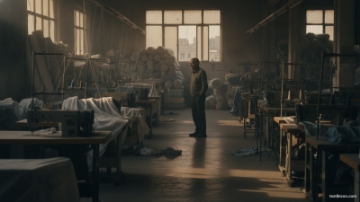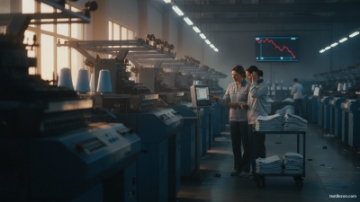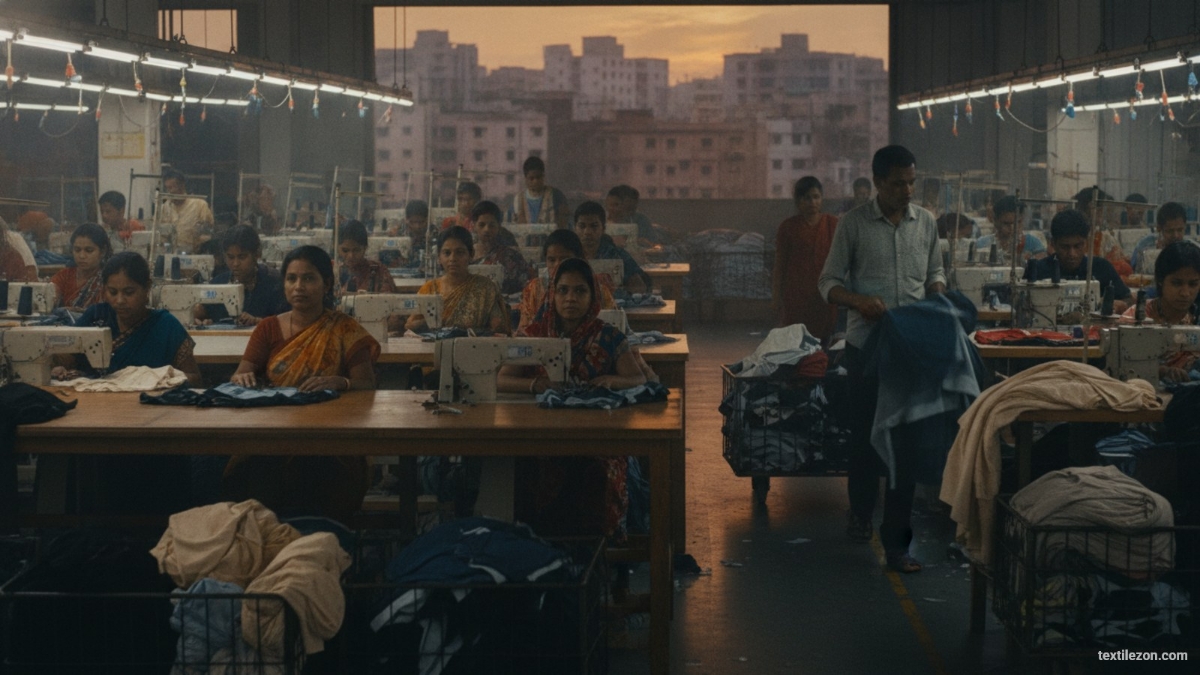
Bangladesh's garment workers are undergoing a major demographic shift. The share of women on factory floors has fallen to roughly 53 per cent in 2023, down sharply from earlier decades. Data from the Bangladesh Garment Manufacturers and Exporters Association (BGMEA) and several research institutions confirms the trend. Automation, safety-driven hiring, and tough economic conditions are reshaping who works in Bangladesh's ready-made garment (RMG) sector.
Female Garment Workers Ratio Falls Over Four Decades
Women made up about 80 per cent of Bangladesh's garment workforce between 1980 and 1994. That share dropped to 70 per cent by 2005 and reached approximately 53 per cent in 2023. The Bangladesh Institute of Development Studies (BIDS) and BRAC University have both confirmed this downward trend in separate studies.
Automation Widens the Skills Gap for Garment Workers
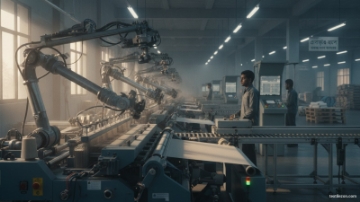
Rapid RMG sector automation is a key driver behind the shift. New machinery demands technical skills that many female workers currently lack. A 2022 FSG report found nearly one-third of women in the sector had incomplete primary education, compared with 18 per cent of men.
This education gap limits access to skilled roles. Modern production lines increasingly rely on:
- Flat lock machines
- Overlock machines
- Button-hole machines
Workers without adequate technical training struggle to operate this equipment, pushing employers toward male hires for automated positions.
Safety Rules and Economic Pressures Add to the Decline
Many factories now run 24-hour operations. Employers often prefer male garment workers for night shifts, citing safety concerns around women traveling or working late hours. This preference reduces training and hiring opportunities for women in round-the-clock roles.
Political uncertainty, banking sector strain, and falling international orders have triggered factory closures across Bangladesh. Some employers use these closures to cut female staff specifically. Rising living costs near industrial hubs are also pushing older women, especially mothers, back to rural areas as household budgets tighten.
Working Conditions Remain a Barrier for Garment Workers
Workplace conditions continue to affect retention. Reports describe 12-hour shifts in cramped, poorly ventilated spaces, contributing to recurring respiratory problems and skin allergies. Many employees also lack health insurance coverage.
Harassment remains a serious concern. An Icar report found that 80 per cent of women workers have witnessed or experienced sexual violence or harassment on the job. Moshrefa Mishu, president of the Garments Sramik Unity Forum, said industry growth has not translated into proportional improvements for workers. She noted that women remain among the lowest-paid contributors despite serving as the historical backbone of the sector.
Frequently Asked Questions
Why is the share of female garment workers declining in Bangladesh?
Automation, safety-driven night shift hiring, factory closures, and rising living costs are all contributing to fewer women working in the sector.
What skills gap affects female garment workers most?
Nearly one-third of women in the sector have incomplete primary education, limiting their ability to operate automated machines like flat lock and overlock equipment.
How severe is workplace harassment for garment workers in Bangladesh?
An Icar report found that 80 per cent of women workers have witnessed or experienced sexual violence or harassment in the workplace.
Bangladesh's garment workforce is shifting from a female-majority base toward a more balanced gender mix, driven by automation, safety policy, and economic pressure. Working conditions and wage gaps remain unresolved challenges for the sector's women workers.
Buyers and manufacturers tracking labor trends can follow ongoing coverage in textile news on the textilezon.com Info Center.
The demographic shift among Bangladesh's garment workers marks a structural change in one of the world's largest garment-exporting economies.