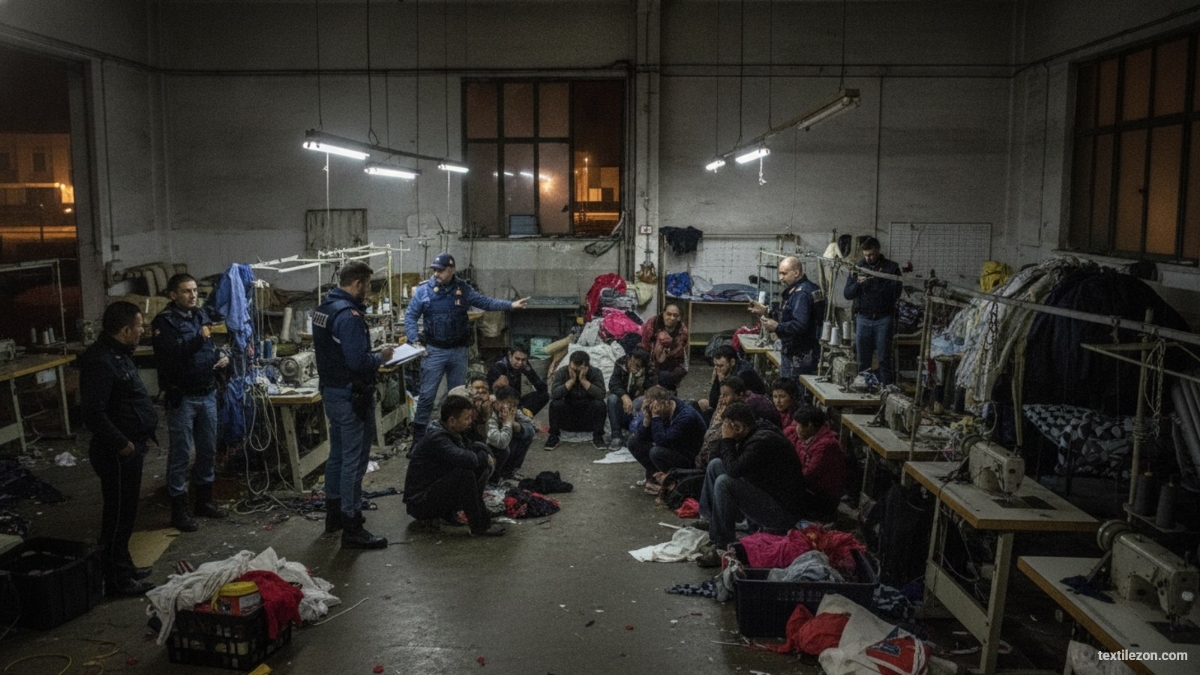
Labour exploitation in Italy's textile industry has drawn a decisive response from authorities. Italian officials have jailed a Prato textile boss and piloted a new proactive surveillance framework targeting the gangmaster networks that enable worker abuse in one of Europe's most prominent textile manufacturing clusters.
Enforcement Action Targets Prato Textile Boss
Prato, located in Tuscany, Italy, is a major European textile and garment manufacturing hub. The city hosts hundreds of workshops — many within Chinese-owned operations — producing fast-fashion goods for global markets.
Italian authorities have now acted decisively, jailing a textile industry boss linked to gangmaster network operations. Gangmaster systems illegally recruit and control workers, often trapping vulnerable migrant workers through debt bondage and below-legal wages.
The Clean Clothes Campaign and international worker rights advocates have long flagged labour conditions within Prato's textile district. This arrest represents a concrete enforcement milestone in a region that has faced sustained scrutiny from civil society organisations and regulators.
Italy Pilots a Proactive Surveillance Model
Alongside the arrest, Italian authorities trialled a new proactive surveillance model specifically designed to identify and dismantle gangmaster networks before exploitation escalates. The model moves enforcement away from reactive investigations toward continuous, data-driven monitoring.
This shift is significant for the broader Italian textile sector. Early-warning surveillance systems allow authorities to cross-reference labour data and flag compliance failures before they become entrenched criminal operations.
If the pilot proves effective, it may serve as a blueprint for other European textile manufacturing regions facing similar structural labour exploitation challenges.
Supply Chain Compliance Implications for B2B Buyers
For textile manufacturers, importers, and sourcing professionals, the Prato crackdown reinforces the need for rigorous social compliance frameworks throughout supply chains. Sourcing from regions under active enforcement scrutiny heightens legal and reputational exposure.
B2B buyers with Italian supplier networks should take immediate steps to verify subcontracting practices and audit labour conditions. Tier-two and tier-three workshop relationships are often where gangmaster-linked exploitation enters supply chains undetected.
- Request current social compliance audit reports from Italian suppliers
- Map subcontracting relationships to identify indirect gangmaster exposure
- Monitor enforcement developments via textile news and regulatory channels
- Engage worker rights organisations active in the Prato region for on-ground intelligence
Frequently Asked Questions
What are gangmaster networks in textile manufacturing?
Gangmaster networks are illegal labour recruitment systems where intermediaries supply workers to factories outside legal employment frameworks. These operations typically exploit migrant workers through debt bondage, withheld wages, and dangerous working conditions.
Why is Prato a focal point for textile labour rights issues?
Prato hosts one of Europe's densest textile and garment manufacturing ecosystems, with a substantial Chinese-owned workshop community serving fast-fashion supply chains. Its scale and complexity make continuous monitoring difficult, creating conditions where exploitation can persist undetected.
What should textile businesses do to reduce labour exploitation risk?
Businesses should implement rigorous supplier vetting, require independent social audits, and maintain visibility into subcontracting tiers. Staying current on enforcement actions in key sourcing regions enables proactive risk management rather than reactive damage control.
The Prato pilot enforcement action marks a meaningful advance in the Italian textile sector's accountability landscape. As proactive surveillance models mature and regulatory enforcement intensifies across European manufacturing hubs, B2B buyers and suppliers must treat worker rights compliance as a core operational requirement — not an afterthought.