A landmark polyester LCA study has unveiled critical new data on the environmental footprint of one of textiles' most widely used fibers. Textile Exchange and SCS Consulting Services jointly conducted this research to address persistent gaps in publicly available sustainability data. Their findings now provide the global textile industry with the most comprehensive public benchmarks to date for both virgin and recycled polyester.
Background: Addressing a Long-Standing Data Gap
Asia currently accounts for over half of global polyester output, yet publicly available environmental data for the region has been severely limited. An earlier SCS study commissioned for the UN Fashion Industry Charter first identified these critical deficiencies. This new polyester LCA initiative responds directly to those gaps, covering production pathways across Southeast Asia, China, Europe, and the US.
Primary data collection spanned 2022 to 2024 and covered seven facilities: three chemical recycling operations, three thermomechanical recycling operations, and one virgin PET producer. All data complies with ISO 14044 standards and the requirements of the Higg Materials Sustainability Index.
Key Findings on Energy, Recycling, and Logistics
Energy Mix Is the Biggest Climate Variable
Transitioning to a renewable energy mix can substantially reduce polyester's climate impact. Dependence on coal-intensive energy grids significantly increases it. Energy sourcing is therefore the most powerful lever manufacturers can pull to improve their sustainability profile.
Recycling Methods Serve Different Purposes
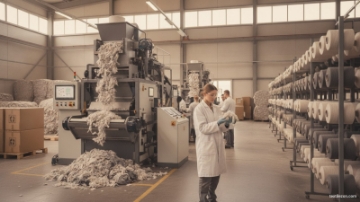
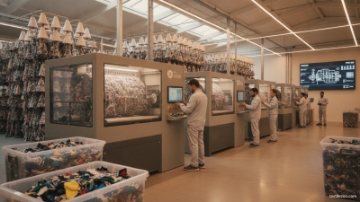
Thermomechanical recycling is generally less resource-intensive but requires clean, high-quality material inputs. Chemical recycling handles more complex waste streams but demands greater energy and chemical resources. Scaling circularity across the industry will require both approaches working in parallel.
Post-consumer sorting remains a major bottleneck in recycled polyester production. Commercial-scale chemical recycling currently focuses on post-industrial waste because post-consumer materials present complex sorting and logistical challenges. Transportation distances for waste collection also meaningfully affect overall environmental performance, making local material sourcing a practical strategy for reducing emissions.
First-Ever Public PET Production Data From Asia
The study delivers the first known publicly available primary data for virgin polyethylene terephthalate (PET) production in Asia. Coverage includes melt, chip, and staple fiber from Southeast Asia, alongside recycled polyester data from China, Europe, and the US. These datasets establish credible baselines for future sustainability assessments across the value chain. Stay current with industry developments like these through the Info Center on textilezon.com.
The study's significance was underscored at the executive level. Beth Jensen, Chief Impact Officer at Textile Exchange, stated: "By addressing known data gaps across both virgin and recycled polyester, and by identifying major hotspot impact areas, these findings create a stronger foundation for making informed decisions that support the shift toward preferred production systems."
Frequently Asked Questions
Who conducted this polyester LCA study?
Textile Exchange and SCS Consulting Services jointly conducted the study. SCS had previously produced a polyester LCA for the UN Fashion Industry Charter, which first identified the data gaps this new research directly addresses.
What recycling technologies does the study cover?
The study evaluates both thermomechanical and chemical recycling of polyester. Primary data was collected from three chemical recycling facilities, three thermomechanical recycling facilities, and one virgin PET producer between 2022 and 2024.
How can textile businesses apply these findings?
Manufacturers, brands, and sourcing teams can use these publicly available LCA benchmarks to strengthen sustainability reporting, evaluate material procurement choices, and support evidence-based decisions on energy sourcing and recycling partnerships.
The release of this polyester LCA data represents a meaningful advance in environmental transparency for the global textile industry. Businesses that integrate these benchmarks into their procurement and production strategies will be better equipped to meet escalating regulatory requirements and stakeholder expectations for credible sustainability performance.