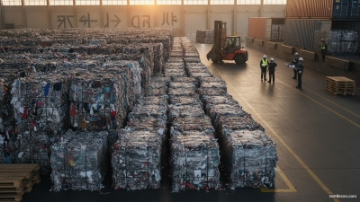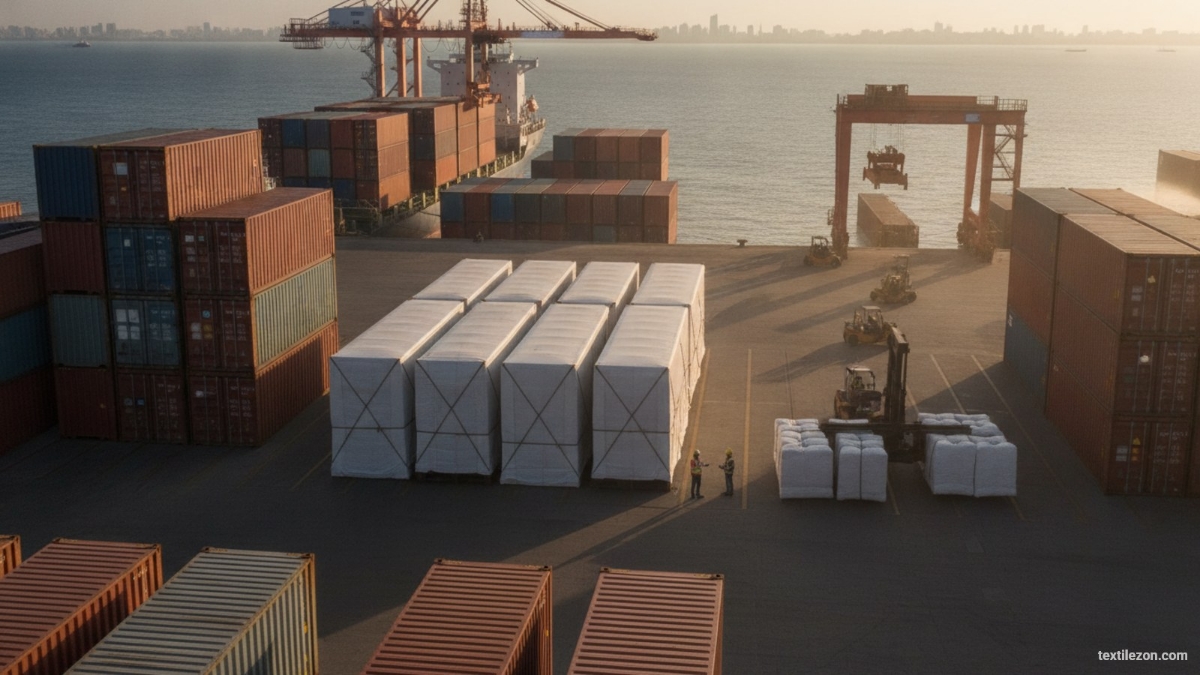
The European Anti-Fraud Office (OLAF) has taken decisive action to halt the illegal dumping of thousands of tonnes of textile waste from Italy into Turkey. This enforcement operation marks a significant step in EU efforts to combat cross-border environmental fraud across the global textile supply chain.
OLAF Stops Illegal Textile Waste Exports from Italy
OLAF's intervention targeted an illegal scheme shipping large volumes of textile waste from Italy to Turkey. Such operations typically exploit gaps in waste classification and documentation to move materials that would otherwise require costly, compliant disposal within the EU.
Turkey has been a significant destination for European textile exports, both legitimate and illicit. This OLAF operation signals heightened scrutiny of how EU member states manage cross-border waste flows in the textile sector.
How Textile Waste Fraud Circumvents EU Regulations
EU waste shipment regulations impose strict controls on the export of hazardous or mixed waste outside the bloc. Fraudulent operators often mislabel textile waste shipments as second-hand goods or usable raw materials, bypassing EU export controls and the destination country's import standards.
The consequences of illegal dumping extend well beyond regulatory breaches. Uncontrolled disposal of textile waste creates environmental hazards at destination sites where oversight may be less rigorous.
- Thousands of tonnes of textile waste from Italy were involved in this case
- OLAF coordinated enforcement with national authorities to intercept the illegal shipments
- Turkey was identified as the intended destination for the dumped waste
What This Means for B2B Textile Trade Compliance
For B2B textile businesses operating within or exporting from the EU, this case reinforces the urgency of rigorous waste management compliance. Companies must ensure all textile waste streams are accurately documented, correctly classified, and handled by licensed operators.
The EU Waste Framework Directive and the Waste Shipment Regulation set clear obligations for textile manufacturers, processors, and traders alike. Non-compliance can result in shipment seizures, substantial fines, and lasting reputational damage.
Monitoring developments through reliable textile news sources helps businesses stay ahead of shifting enforcement priorities. Regular engagement with regulatory updates allows companies to anticipate new compliance requirements before they take effect.
Frequently Asked Questions
What is OLAF's role in textile waste enforcement?
OLAF is the European Anti-Fraud Office, responsible for investigating fraud and regulatory breaches involving EU funds and cross-border schemes. In this case, OLAF coordinated with national customs and environmental authorities to detect and stop the illegal export of textile waste from Italy to Turkey.
Why is illegal textile waste dumping a concern for the textile industry?
Illegal dumping undermines fair competition by letting non-compliant operators avoid legitimate disposal costs. It also creates serious environmental risks at destination sites and exposes compliant businesses to reputational damage and broader regulatory scrutiny by association.
How can textile businesses ensure waste compliance?
Businesses should partner with licensed waste management providers and maintain accurate documentation for all textile waste shipments. Conducting regular compliance audits and tracking EU Waste Shipment Regulation updates is essential for any company managing waste flows across European borders.
The OLAF enforcement action against illegal textile waste dumping from Italy to Turkey sends a clear signal: EU authorities are actively intervening in cross-border environmental fraud. Textile businesses that make waste compliance a strategic priority will operate more sustainably and avoid serious enforcement consequences.