The EU clothing ban on the destruction of unsold apparel and footwear officially took effect across all 27 member states this week. Introduced under the Ecodesign for Sustainable Products Regulation (ESPR), the rule fundamentally changes how the fashion industry manages excess inventory. For B2B textile professionals, retailers, and manufacturers, immediate operational adjustments are now required. Follow the latest textile industry developments in our Info Center.
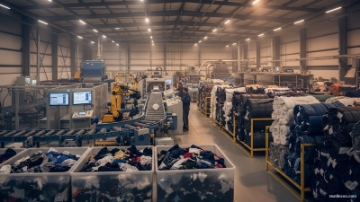
Each year, hundreds of thousands of tons of fashion products are discarded within the EU due to minor damages, surplus stock, or high volumes of online returns. Approximately one in five fashion items purchased online is returned — and frequently never reaches the sales floor again. The ban targets this systemic waste directly, driving the sector toward circular economy principles.
Who the EU Clothing Ban Applies To
The regulation currently targets large-scale fashion retailers, manufacturers, and wholesalers that meet specific thresholds. Companies with more than 250 employees and annual net turnover exceeding €50 million fall within its scope. Only about 20% of affected goods are produced within the EU, yet the environmental impact of their disposal is felt globally.
These organizations are now legally prohibited from destroying functional clothing, footwear, and accessories. Exemptions apply to goods that are counterfeit, damaged beyond repair, unsafe for use, or formally rejected by charitable organizations. All other functional unsold products must be redirected through compliant channels.
Alternatives to Destruction and Transparency Obligations
Companies must now actively pursue compliant alternatives for excess inventory. Acceptable options under the new sustainable fashion rules include:
- Selling products at discounted prices through clearance markets
- Donating goods to charitable organizations
- Facilitating resale or redistribution through secondary market channels
Transparency is equally central to the legislation. Affected firms must compile and publish annual reports detailing the volume of goods discarded, retaining these records for a minimum of five years. This reporting framework supports regulatory oversight and provides measurable data on industry progress toward textile waste reduction.
Environmental Impact and Industry Response
Data from the European Environment Agency (EEA) shows that between 4% and 9% of all unsold textile products in the EU are destroyed each year. The growth of low-cost, mass-production fashion has accelerated this trend, while high online return rates compound the disposal challenge. The ban's primary goal is to reduce CO2 emissions linked to the incineration of millions of garments annually.
The German Retail Federation (HDE) acknowledged the regulation's environmental rationale but flagged operational hurdles. HDE Managing Director Stefan Genth noted that high logistics costs and limited immediate demand for certain items could make the transition difficult for some retailers. Consumers may benefit, however, from greater availability of discounted merchandise as brands seek compliant outlets for surplus stock. The ban's scope is set to expand to medium-sized enterprises by 2030, broadening its reach across the full fashion supply chain.
Frequently Asked Questions
Which businesses does the EU clothing ban apply to?
The ban currently applies to organizations with more than 250 employees and annual net turnover exceeding €50 million. Medium-sized enterprises will come under the regulation by 2030.
Are there exceptions to the destruction prohibition?
Yes. Goods that are counterfeit, damaged beyond repair, unsafe for use, or formally rejected by charities may still be destroyed. All other functional products must be redirected to compliant channels such as discounting, clearance sales, or donation.
What reporting requirements apply under the new rules?
Affected companies must publish annual reports on the volume of goods discarded and retain these records for at least five years. This transparency requirement enables EU regulatory oversight and tracks industry-wide progress on textile waste reduction.
The EU clothing ban marks a structural shift in how the global fashion industry must account for surplus inventory. As circular economy principles become embedded in European law, textile B2B professionals worldwide will need to realign their supply chain and stock management practices with these new sustainability standards.