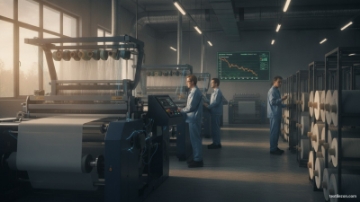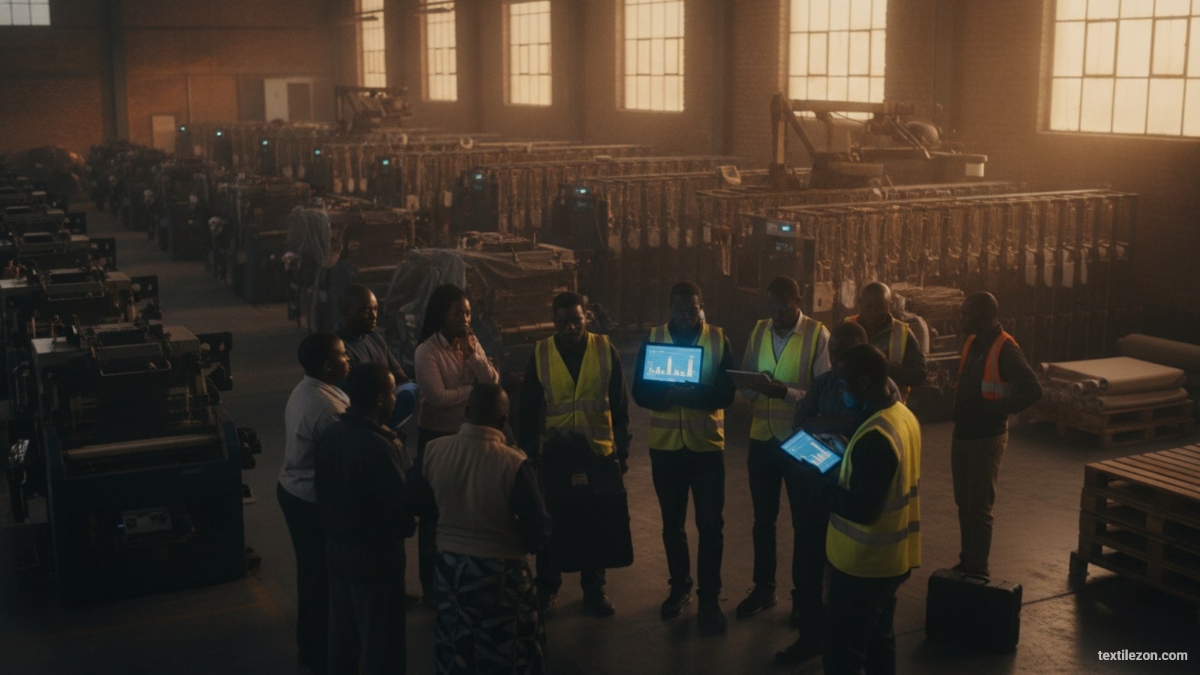
The clothing industry in Durban is sounding the alarm as intensified immigration enforcement threatens to displace thousands of foreign workers critical to daily production. Industry leaders warn that without a managed transition, the sector faces factory closures, output collapse, and sweeping job losses across KwaZulu-Natal.
The Scale of Foreign Worker Reliance
The Ecoini Clothing and Leather Council has flagged a structural dependency on foreign nationals that now defines the sector's labor model. More than 80% of machinists in Durban's clothing factories are foreign workers — a proportion built up over years of failed local recruitment efforts.
Manufacturers have consistently been unable to attract sufficient numbers of skilled South African workers to fill these machinist roles. The gap between available local labor and industry demand has made foreign workers not merely a supplement but a foundation of the clothing industry's workforce. This reality now sits at the center of an urgent policy debate.
The Threat: Sudden Workforce Disruption
Stricter immigration enforcement creates immediate risk for Durban's apparel sector. A rapid departure of foreign nationals could strip factories of the majority of their skilled operators within a very short timeframe, causing severe production shortfalls across the clothing industry.
Industry stakeholders warn that reduced output would accelerate toward factory closures, eliminating thousands of formal jobs — affecting both foreign and local workers employed across the supply chain. The economic damage would ripple into supplier networks, logistics operations, and the wider KwaZulu-Natal regional economy.
For B2B buyers sourcing from Durban manufacturers, sudden production disruptions create real supply reliability concerns. Follow the latest developments through our textile news coverage on textilezon.com.
Government Stance and Industry Response
The KwaZulu-Natal provincial government has held firm on its legal position: all businesses must comply with immigration and labor law, and employing undocumented foreign nationals is illegal. Officials have stated that enforcement is non-negotiable.
The Ecoini Council acknowledges the legal framework but argues that immediate enforcement without transition planning will cause disproportionate harm to the clothing industry. The council advocates for a phased approach — one that upholds immigration compliance while giving manufacturers adequate time to recruit and train local replacements.
The debate now pits the urgency of regulatory enforcement against the practical realities of labor market transition. How South Africa resolves this tension will shape whether the Durban clothing industry stabilizes or contracts significantly in the years ahead.
Frequently Asked Questions
What percentage of Durban's clothing machinists are foreign workers?
The Ecoini Clothing and Leather Council reports that over 80% of machinists in Durban's clothing sector are foreign nationals, reflecting a long-standing local labor shortage that factories have been unable to resolve through local recruitment alone.
Why has the clothing industry struggled to recruit local workers?
Factories have consistently been unable to fill machinist roles from the local workforce, creating a structural dependence on foreign nationals to sustain production capacity across the region.
What is the KwaZulu-Natal government's position on undocumented workers?
The provincial government maintains that employing undocumented foreign nationals is illegal under current labor and immigration law, and that all businesses must comply with existing regulations without exception.
The Durban clothing industry's long-term viability as a regional manufacturing hub depends on a coordinated policy response from both government and industry stakeholders. A phased, structured approach to immigration compliance represents the most viable path to preserving employment stability and production capacity across the sector.