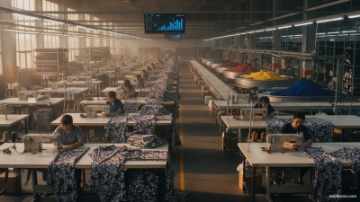
Counterfeit fashion is costing Ireland's clothing and sportswear sector an estimated €359m every year, according to data from the European Union Intellectual Property Office (EUIPO). EU-wide losses in the fashion and clothing industry reach €12bn annually, while fake handbags, jewellery and watches cost genuine manufacturers up to €2.7bn in lost sales. Irish businesses bear the heaviest domestic impact, with clothing losses totalling €349m and handbags losing a further €10m each year.
Ireland's Fashion Sector Absorbs €359m in Annual Losses
The scale of counterfeit fashion damage in Ireland reflects a broader European crisis. Small and medium enterprises face the greatest exposure, as many depend on a limited number of distinctive designs and lack the resources to monitor and enforce their intellectual property rights. E-commerce growth and social media influence have accelerated the global spread of counterfeit goods, making enforcement harder than ever.
For Irish fashion brands competing in export markets, these pressures compound supply chain challenges and erode margins built on design investment. Stay informed on the latest industry enforcement developments through our textile news section.
FIFA World Cup 2026 Operation Seizes 66,000 Fake Kits
A coordinated international enforcement action, backed by the EUIPO, led to the seizure of more than 66,000 counterfeit football jerseys and kits destined for distribution during the FIFA World Cup 2026. The fakes replicated official national team designs, crests and distinctive branding elements. Authorities made multiple arrests linked to suspected intellectual property offences, with investigations continuing.
The estimated value of seized goods exceeded €2m, while broader economic damage to intellectual property rights holders is put at more than €7m. Yann Ambach, head of tariff and trade policy at French customs, stated: “We are dealing with large-scale fraud, criminal networks and poly-criminality. Manufacturing, transporting and buying a counterfeit product is not a trivial act — it fuels criminal networks, results in job losses, a loss of expertise and a loss of tax revenue.”
Design Value Drives Both Consumer Demand and Counterfeiting Risk
Consumer attitudes are adding complexity to the counterfeit goods landscape. Around 13% of Europeans report having intentionally purchased counterfeit products, a figure that rises to 26% among consumers aged 15 to 24. In Ireland, 76% of consumers are willing to pay more for better-designed products, making the domestic market both a high-value opportunity and a target.
Among 18 to 24-year-olds, 80% say design is an important factor in their purchasing decisions. This group is also more likely to pay premium prices for quality and to associate good design with positive emotions. João Negrão, executive director of the EUIPO, noted: “European design is one of our greatest competitive strengths. Protecting designs gives creators the confidence to innovate and businesses the edge to compete, generating the growth and competitiveness on which Europe's economy relies.”
Proactive IP management — including design registration, online marketplace monitoring and collaboration with enforcement authorities — is the most effective defence available to Irish fashion businesses. Continued EUIPO enforcement, stronger cross-border cooperation and greater platform accountability will determine counterfeit fashion outcomes in the years ahead.
Frequently Asked Questions
How much does counterfeiting cost Ireland's fashion and sportswear sector annually?
Counterfeiting costs Ireland's clothing and sportswear businesses an estimated €359m each year — comprising €349m in clothing losses and €10m in the handbags sector — based on EUIPO-referenced figures.
What did the FIFA World Cup 2026 enforcement action uncover?
An international operation supported by the EUIPO seized more than 66,000 counterfeit football jerseys and kits. The estimated value of the confiscated goods exceeded €2m, with economic damage to intellectual property rights holders put at over €7m, and multiple arrests were made.
Why are younger consumers more likely to encounter counterfeit fashion goods?
Around 26% of consumers aged 15 to 24 have intentionally purchased counterfeit products, compared to 13% of Europeans overall. Younger buyers value design strongly but are more frequently exposed to counterfeit goods through social media and online marketplaces where enforcement remains challenging.