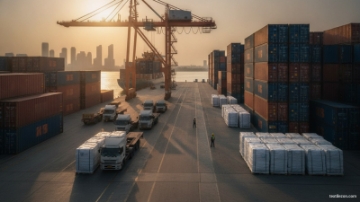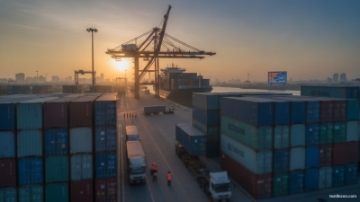
Bangladesh is set to extend duty-free bonded warehouse facilities to all export-oriented industries, a landmark policy shift announced by Finance and Planning Minister Amir Khosru Mahmud Chowdhury. The decision was revealed at a pre-budget roundtable discussion, signalling the government's commitment to reducing business costs and simplifying regulations. This move could fundamentally reshape how exporters across every sector manage raw material procurement and customs compliance.
A Landmark Shift in Bangladesh's Export Policy
Until now, bonded warehouse benefits in Bangladesh have been concentrated primarily within the ready-made garment sector. The proposed expansion would make duty-free import of raw materials available to exporters across all industries, removing a long-standing structural disadvantage for non-garment exporters.
Finance Minister Chowdhury made the announcement during a pre-budget roundtable, indicating the policy is under active consideration for the upcoming budget cycle. The move reflects mounting pressure from business associations to simplify export procedures and lower operating costs for a broader range of industries.
Cutting Costs and Simplifying Compliance
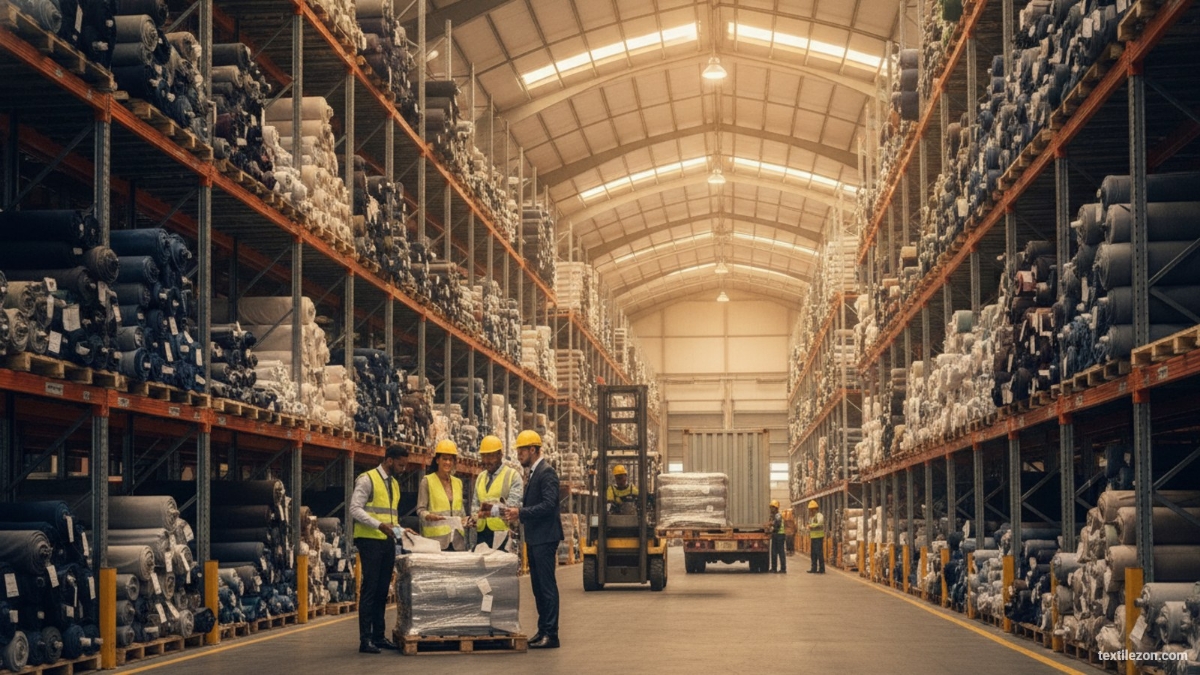
The bonded warehouse system allows exporters to import raw materials duty-free, with customs duties deferred until finished goods are shipped abroad. Extending this benefit eliminates upfront duty payments for a wider group of exporters, freeing up critical working capital.
Regulatory simplification is another key driver of this policy change. Bangladesh's current system requires non-garment exporters to navigate a more complex customs process compared to ready-made garment companies. A unified bonded warehouse framework will reduce administrative burden and compliance costs across all export sectors.
Strategic Impact on Bangladesh's Export Economy
Bangladesh is one of Asia's leading export economies, with the textile and garment sector serving as its primary foreign exchange earner. Extending bonded warehouse access beyond garments could stimulate growth in sectors such as leather goods, jute products, plastics, and light engineering — all competing for international market share.
Industry stakeholders expect this policy, if implemented effectively, to attract new export-oriented investment and diversify Bangladesh's export base. The announcement positions the country to strengthen its global competitiveness at a time when export diversification is a national strategic priority. Stay updated on Bangladesh trade policy developments through our textile news section on Textilezon.
Frequently Asked Questions
What is a bonded warehouse in Bangladesh's export system?
A bonded warehouse allows exporters to import raw materials duty-free, with customs duties deferred until finished goods are exported. This system reduces upfront costs and improves cash flow for export manufacturers, and has historically been a cornerstone of Bangladesh's ready-made garment industry growth.
Which industries will benefit from the expanded bonded warehouse policy?
All export-oriented industries stand to benefit, including leather goods, jute products, plastics, and light engineering sectors. Previously, duty-free bonded warehouse access was concentrated mainly in the ready-made garment sector, leaving other exporters at a structural competitive disadvantage.
When will Bangladesh's new bonded warehouse policy take effect?
No specific implementation date has been confirmed. The proposal was presented at a pre-budget roundtable, suggesting it will be incorporated into the upcoming national budget and supporting regulatory framework before taking effect.