3D weaving technology is gaining powerful backing from America's biggest retailers. San Francisco-based unspun has secured letters of support from Walmart, REI, and key supply chain partners for its plan to build automated apparel manufacturing hubs across the United States. With more than $50 million in venture capital funding, unspun's AI-enabled platform aims to reshape domestic garment production at commercial scale.
Major Brands Endorse Domestic 3D Weaving Initiative
Walmart and REI have formally endorsed unspun's vision for reshored apparel production. Supply chain partners Bethel Industries, Peckham, and PDS Ltd / GSC Link are also participating to help establish automated domestic production hubs. Initial production is on the near-term horizon.
Avisnash Bhasker, Vice President of Apparel Production Development at Walmart, expressed enthusiasm for the initiative. "Our customers are proud to buy apparel made in America, and the demand keeps growing," he said. "We are excited about unspun's commitment in helping rebuild domestic manufacturing capability that is faster, smarter, and designed for how customers actually shop."
How unspun's 3D Weaving Technology Works
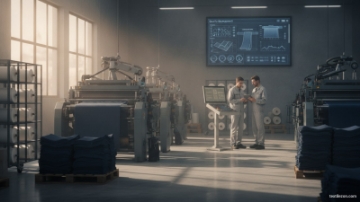
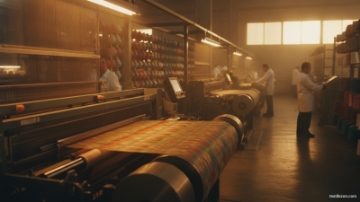
unspun's proprietary system weaves semi-finished garments directly from yarn in minutes. This single automated process replaces dozens of traditional cut-and-sew steps. The AI-enabled platform enables brands to produce closer to demand and reorder within the same selling season.
Key advantages of the technology include:
- Production timelines shrink from months to days
- Brands can reorder inventory within the same season
- Excess inventory drops significantly, saving the industry billions annually
- Gross margins improve by 400ΓÇô500 basis points through fewer markdowns and write-offs
"We are not exploring whether domestic apparel manufacturing can work. We are building it," said Arne Arens, CEO of unspun and former Global Brand President of The North Face. Arens was appointed CEO in March 2026, bringing decades of experience from global brands including The North Face and Boardriders, parent company of Quiksilver and Billabong.
Site Selection and Industry Outlook
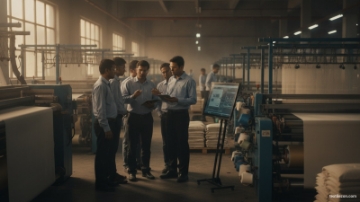
unspun is currently evaluating potential locations across multiple states. The company is assessing infrastructure requirements and workforce training programs. It has equipment ready for deployment and aims to establish the first automated apparel manufacturing hubs powered by 3D weaving in the United States.
This initiative represents one of the first examples of AI-enabled automation deployed to rebuild domestic manufacturing capacity at scale. The move signals a broader industry shift toward demand-driven, reshored production models that prioritize speed, efficiency, and skilled domestic job creation. For more textile news and technology updates, visit textilezon.com.
Frequently Asked Questions
What is unspun's 3D weaving technology?
unspun's 3D weaving is an AI-enabled system that produces garments directly from yarn. It automates the entire manufacturing process, replacing dozens of traditional cut-and-sew steps in minutes.
Which brands support unspun's U.S. manufacturing plan?
Walmart and REI have signed letters of support. Supply chain partners Bethel Industries, Peckham, and PDS Ltd / GSC Link are also involved in establishing automated production hubs.
How does 3D weaving improve apparel profit margins?
By cutting production timelines from months to days, brands see gross margin improvements of 400ΓÇô500 basis points. This results from fewer markdowns, reduced excess inventory, and lower write-offs.