Reju, the Paris-based textile recycling innovator, has secured Γé¼135 million from the Dutch government's NIKI program. The funding will support an industrial-scale Regeneration Hub at Chemelot Industrial Park in Sittard-Geleen, the Netherlands. This award marks a critical milestone toward Reju's final investment decision for large-scale textile-to-textile regeneration.
Γé¼135 Million NIKI Funding Fuels Circular Textile Ambitions
NIKI (Nationale Investeringsregeling Klimaatprojecten Industrie) serves as the Netherlands' flagship program for industrial decarbonization and circularity. It backs both national and European Union circular economy targets. Reju's textile recycling project aligns directly with these goals.
The Γé¼135 million package covers both capital investment and ongoing operations. Patrik Frisk, CEO of Reju, called the award "a strong vote of confidence in our technology and our team." He added: "At Chemelot, we will deliver circular raw materials at scale, reduce emissions across textile value chains, and establish a replicable blueprint for circular textiles in Europe."
How the Regeneration Hub Transforms Textile Waste
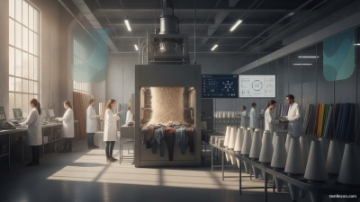
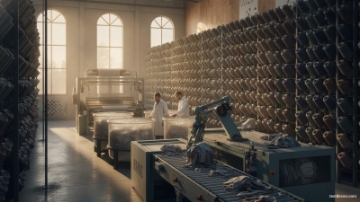
Reju's planned Regeneration Hub will process post-consumer textiles that would otherwise end up in landfill or incineration. Its technology converts difficult-to-recycle, polyester-containing waste into high-quality circular intermediates for new polyester production.
Branded as Reju Polyester, the regenerated output delivers approximately 50% lower carbon emissions compared with virgin polyester. This material re-enters downstream supply chains for conversion into yarns and fabrics ready for consumer applications.
Reju emphasizes industrial integration and resource efficiency at every stage. Key features of the planned facility include:
- Industrial-scale textile-to-textile recycling of polyester-containing waste
- Approximately 50% carbon emission reduction versus virgin polyester
- Fully traceable circular supply chains from waste to finished material
- Maximum displacement of fossil-based raw material inputs
Why Reju Chose Chemelot Industrial Park
Reju selected Chemelot Industrial Park for its strategic industrial advantages. The site in Sittard-Geleen offers:
- Established industrial ecosystem with shared utilities and logistics infrastructure
- Proximity to innovation and research capabilities
- Infrastructure that supports efficient ramp-up and operational reliability
These attributes make Chemelot an ideal location for the textile recycling hub. Reju plans to use this site as a replicable model for future facilities across Europe.
Frequently Asked Questions
What is the NIKI program?
NIKI (Nationale Investeringsregeling Klimaatprojecten Industrie) is the Dutch government's flagship funding initiative for industrial decarbonization. It accelerates large-scale circularity projects in support of both national and EU climate goals.
What is Reju Polyester?
Reju Polyester is a regenerated material produced from post-consumer polyester textiles. It delivers approximately 50% lower carbon emissions than virgin polyester and feeds back into textile supply chains for yarns, fabrics, and consumer products.
Where will the Regeneration Hub be built?
Reju will build the hub at Chemelot Industrial Park in Sittard-Geleen, the Netherlands. The company chose this site for its shared industrial infrastructure, logistics network, and proximity to research institutions.
The Γé¼135 million NIKI award positions Reju to demonstrate that textile recycling can operate at true industrial scale in Europe. As regulatory pressure on textile waste grows, facilities like the Chemelot Regeneration Hub offer manufacturers a proven pathway toward circularity. Stay updated on the latest developments through the textile news section on textilezon.com.