The global protective clothing market is undergoing a fundamental transformation. Stricter workplace safety regulations, advanced material engineering, and rising demand for multi-hazard protection are driving rapid expansion across the sector. The market is set to more than double in value over the next decade, creating significant opportunities for textile manufacturers and suppliers worldwide.
Market Valued at US$11.5 Billion in 2024
According to Transparency Market Research, the global protective clothing market was valued at US$11.5 billion in 2024. It is forecast to reach US$24 billion by 2035, growing at a compound annual growth rate (CAGR) of 6.9%. Stricter occupational safety rules, higher investment in worker protection, and demand for technically advanced materials are all supporting this expansion.
The International Labour Organization (ILO) estimates approximately 2.93 million people die each year from occupational accidents and work-related illnesses. This figure, presented at the 23rd World Congress on Safety and Health at Work, reinforces the urgent case for certified protective apparel with higher safety and compliance standards. Industries including oil and gas, construction, mining, chemicals, manufacturing, healthcare, utilities, defence, and emergency services are now prioritizing product performance over lowest-cost PPE selection.
Multi-Hazard Performance Reshapes Industrial Procurement
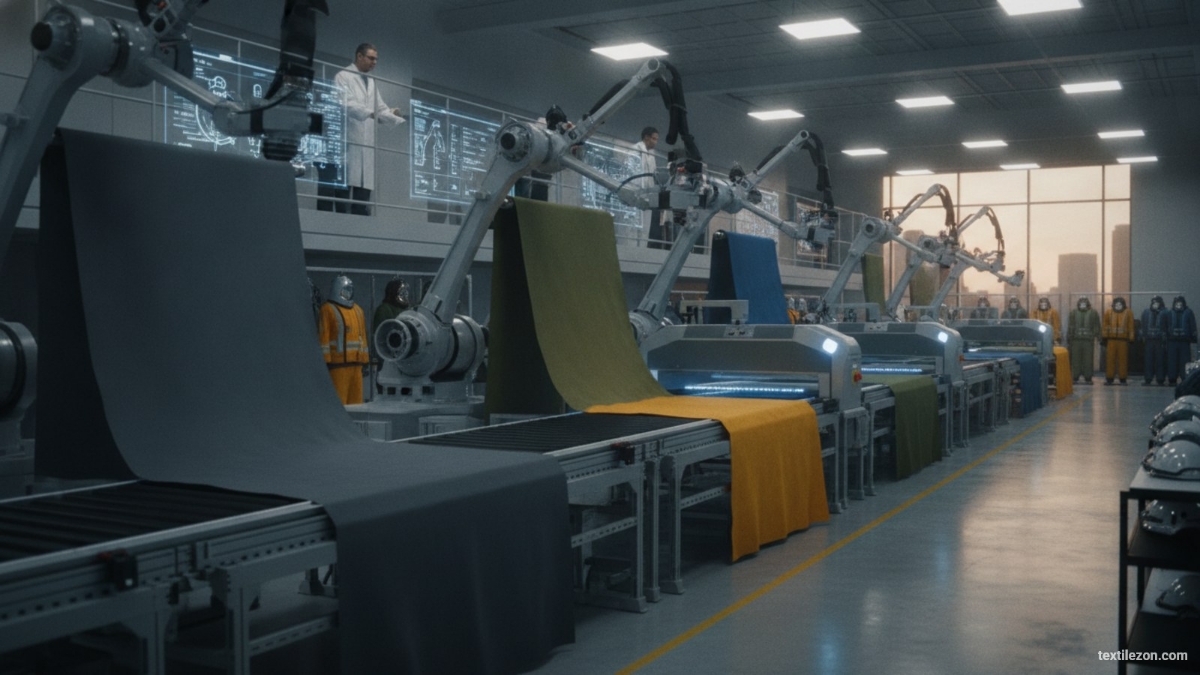
Industrial buyers increasingly prefer single certified garments that deliver flame resistance, chemical protection, cut resistance, durability, and wearer comfort simultaneously. According to MarketsandMarkets, demand for multi-hazard protective clothing continues to rise as organizations favor versatile solutions over purchasing separate products for each risk category.
This shift is accelerating adoption of advanced materials including aramid fibres, flame-retardant treated cotton, ultra-high molecular weight polyethylene (UHMWPE), laminated membranes, coated textiles, and high-performance composite fabrics. Compliance with standards such as ISO, EN, ASTM, and NFPA has become essential for suppliers seeking access to global industrial safety markets.
Innovation, Sustainability, and Smart PPE Lead Next Phase
Competitive advantage in the market is increasingly determined by material engineering rather than manufacturing scale alone. DuPont has enhanced breathability across its Tyvek® and Nomex® product lines while maintaining chemical protection. Teijin Aramid recently launched Twaron Next, incorporating recycled feedstocks and lower carbon emissions without sacrificing protective performance. Honeywell is developing lightweight solutions to reduce worker fatigue, while Ansell is expanding its industrial chemical barrier technologies for hazardous environments.
Sustainability has become a core purchasing criterion as buyers evaluate garments on total lifecycle value. Manufacturers are adopting recycled fibres, bio-based materials, and PFAS-free water-repellent finishes. France's planned 2026 restrictions on PFAS use in professional textile products are accelerating this industry-wide transition.
Digital technologies are creating a new generation of intelligent smart PPE. Modern garments now integrate sensors measuring body temperature, heart rate, gas exposure, altitude, and worker location. Fortune Business Insights expects wearable safety technologies to become a significant growth engine for the industrial protective equipment sector in the coming years.
Key market participants investing in certified safety performance include 3M, DuPont, Honeywell, Ansell, Lakeland Industries, Teijin Aramid, Kimberly-Clark Professional, and Protective Industrial Products (PIP). Stay updated on the latest technical apparel developments through the textile news section on textilezon.com.
Frequently Asked Questions
What is the current size of the global protective clothing market?
The market was valued at US$11.5 billion in 2024 and is projected to reach US$24 billion by 2035, growing at a CAGR of 6.9%, according to Transparency Market Research.
Which industries are driving demand for advanced protective apparel?
Key sectors include oil and gas, construction, mining, chemicals, manufacturing, healthcare, utilities, defence, and emergency services. These industries are prioritizing certified, multi-hazard protective garments over cost-driven purchasing decisions.
How is sustainability changing protective clothing procurement?
Environmental performance has become a core buying criterion. Manufacturers are shifting to recycled fibres, PFAS-free finishes, and bio-based materials, while buyers assess total lifecycle value rather than initial purchase price alone.
The protective clothing market is entering a decade of sustained, innovation-led expansion. Textile manufacturers that invest in certified technical textiles, advanced material engineering, and digital traceability systems will be best positioned to capture the significant growth opportunities ahead.