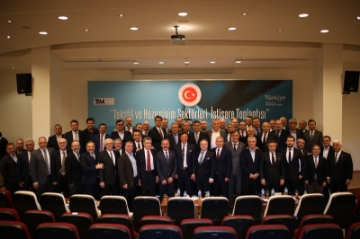
Two of the world's most influential textile trade bodies have formalized their cooperation. EURATEX and the Confederation of Indian Textile Industry (CITI) officially launched the EU–India Textile and Apparel Dialogue on 14 July 2026 in New Delhi. This permanent platform marks a decisive step in bilateral industry relations. It is designed to support the effective implementation of the EU–India Free Trade Agreement.
Mario Jorge Machado, President of EURATEX, signed the mandate on behalf of the European textile and clothing industry. Ashwin Chandran, Chairman of CITI, signed on behalf of the Indian textile sector. The platform gives both industries a direct channel to discuss how the FTA works on the ground. Follow the latest textile news from global trade associations on textilezon.com.
A New Chapter in EU–India Textile Trade Relations
The EU and India rank among the world's largest textile and apparel producers. They are also significant mutual trading partners, making the bilateral FTA one of the most consequential trade agreements for the sector in recent years. The Dialogue was created to ensure the FTA delivers practical benefits — not just on paper, but at customs checkpoints and on the factory floor.
Unlike purely governmental mechanisms, this platform gives industry associations a direct voice in FTA oversight. EURATEX and CITI will monitor how the agreement operates in practice, track trade flows and investment patterns, and address gaps in the use of preferential rules of origin. This industry-driven approach is expected to accelerate FTA uptake, especially among smaller businesses with limited international trade experience.
From Policy to Practice: Key Areas of Focus
A central mission of the Dialogue is translating FTA provisions into workable practice. Even after an agreement enters into force, companies frequently face barriers — customs delays, regulatory divergence, and non-transparent market access conditions can erode the intended benefits.
EURATEX and CITI will identify these obstacles and propose concrete solutions. Priority areas include:
- Customs procedures and clearance efficiency
- Preferential rules of origin and their practical application
- Regulatory differences affecting textile and apparel product standards
- Reciprocal market access conditions for clothing goods
- Investment flows and industrial competitiveness
Fair competition is also a central priority. Both organizations will exchange views on enforcement and market surveillance. Effective controls protect responsible manufacturers from unfair competition and ensure product compliance across both markets.
Governance, Sustainability, and Long-Term Cooperation
The Dialogue will operate with equal representation from EURATEX and CITI, with both sides prioritizing senior industry executives. Meetings will convene twice per year — one session online and one in person, ideally co-located with an existing industry event. The chairmanship rotates annually, and all decisions are reached by consensus. The body remains consultative and non-binding, with both organizations reviewing the mandate as FTA implementation progresses.
Sustainability is a core pillar of the cooperation agenda. EURATEX and CITI will share best practices on circularity, traceability, and responsible business conduct — areas where both regions face growing regulatory pressure. The platform will also encourage industrial partnerships and cross-border investment, supporting more resilient and diversified textile value chains. Where consensus is reached, the two bodies may submit joint recommendations to the European Commission and the Government of India.
Frequently Asked Questions
What is the EU–India Textile and Apparel Dialogue?
It is a permanent bilateral industry platform co-established by EURATEX and CITI on 14 July 2026 in New Delhi. Its purpose is to support the implementation of the EU–India Free Trade Agreement and strengthen cooperation between European and Indian textile and apparel industries.
Who signed the mandate on behalf of each side?
Mario Jorge Machado, President of EURATEX, signed on behalf of the European textile and clothing industry. Ashwin Chandran, Chairman of CITI, signed on behalf of the Indian textile sector. The signing ceremony took place in New Delhi on 14 July 2026.
How often will the Dialogue convene?
The platform meets twice per year — one online session and one in-person meeting, co-located with an existing industry event where possible. The chairmanship alternates annually between EURATEX and CITI, and all decisions are made by consensus.
The launch of the EU–India Textile and Apparel Dialogue marks a pivotal development in bilateral trade governance. This industry-led mechanism gives manufacturers and exporters on both sides a structured forum to resolve real-world barriers and align on strategic priorities. As the EU–India FTA moves toward full implementation, the Dialogue will be essential in turning trade commitments into measurable growth for textile and apparel businesses across Europe and India.