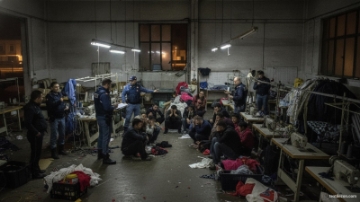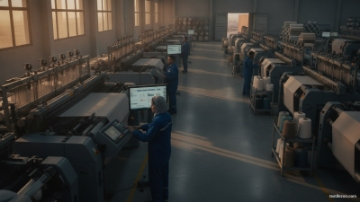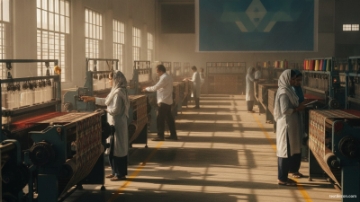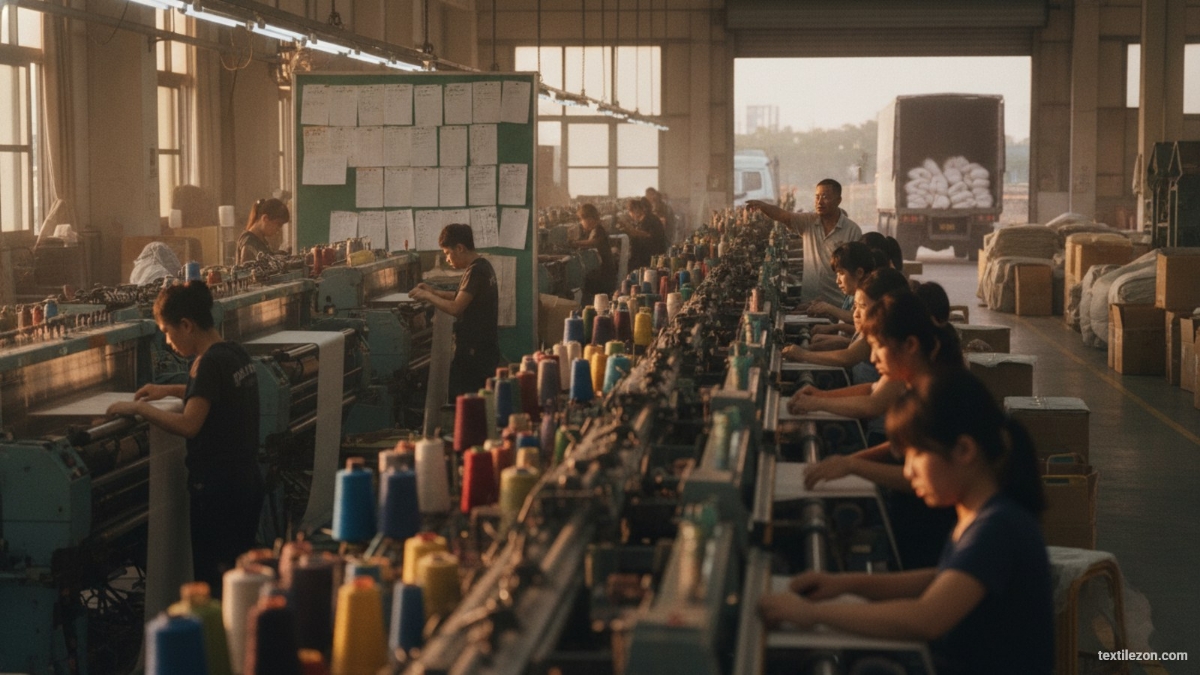
Taiwan's migrant workers in the textile sector face systemic protection failures, according to a new report from the Control Yuan, the country's top oversight body. The watchdog's probe into labour inspection practices at Taiwan's mills has revealed critical gaps in worker safeguards — drawing urgent attention from international labour rights organizations.
Control Yuan Uncovers Labour Inspection Failures
The Control Yuan, Taiwan's independent government watchdog, completed an investigation into the country's labour inspection regime after examining conditions for migrant workers at textile facilities. The body found the existing inspection system inadequate to detect or prevent labour violations effectively.
Inspectors identified structural weaknesses in oversight frequency, reporting mechanisms, and enforcement capacity. These gaps leave migrant workers — often employed under fixed-term contracts with limited recourse — particularly vulnerable to exploitation.
The findings align with benchmarks set by the International Labour Organisation (ILO), which has long identified forced labour risks in global textile supply chains as a priority concern. Taiwan's textile sector, a significant regional supplier, now faces heightened international scrutiny.
Taiwan's Textile Sector and Migrant Labour
Taiwan's textile mills rely heavily on migrant workers, primarily sourced from Southeast Asia. These workers often migrate under recruitment schemes that can create debt obligations and restrict freedom of movement — conditions the ILO classifies as indicators of forced labour.
The Taiwan Textile Federation, the industry's leading trade body, faces mounting pressure to enforce stronger compliance standards across member companies. Transparency-focused organizations, including Transparentum, have called for binding labour standards and independent auditing throughout the sector.
Buyers and brands sourcing from Taiwan are now reviewing supplier compliance protocols in light of the investigation. Stricter due diligence requirements are expected from both government regulators and global procurement teams.
Implications for Global Textile Supply Chains
The Control Yuan's findings add to growing regulatory pressure on textile supply chains across the Asia-Pacific region. Legislation in major importing markets targeting forced labour in goods means Taiwan-sourced textiles now face direct compliance scrutiny.
For B2B buyers and procurement professionals, this development highlights the critical importance of supplier auditing and traceability. Companies that fail to assess migrant worker conditions within their supply chains risk both reputational damage and potential trade restrictions.
Stay informed on compliance and labour rights developments across the global textile industry through the textile news section at Textilezon.
Frequently Asked Questions
What did Taiwan's Control Yuan find in its textile sector probe?
The Control Yuan identified failures in Taiwan's labour inspection regime, concluding that the system was inadequate to protect migrant workers at textile mills from labour violations and exploitation.
Which organisations are involved in addressing Taiwan's migrant labour issues?
Key organisations include the Control Yuan (Taiwan's government watchdog), the Taiwan Textile Federation, the International Labour Organisation (ILO), and transparency auditor Transparentum.
What should global textile buyers do in response to this investigation?
Global buyers should review supplier compliance requirements and strengthen due diligence practices. Failure to assess migrant worker conditions in Taiwan-based supply chains may expose companies to regulatory scrutiny and reputational risk.