The home textiles sector is evolving rapidly, and recycled PET fibre is at the centre of this material shift. Revival Rugs, based in Oakland, California, has introduced two new rug styles that reflect where sustainable product development is heading. Shima is built from 100% recycled PET sourced from post-consumer plastic bottles, while Khder pairs New Zealand wool with machine washability — a combination that remains genuinely rare in the wool rug category.
- Sustainable Fibres in Modern Home Textiles
- Shima: Recycled PET Indoor-Outdoor Rug
- Khder: Washable Wool Construction
- Recycled PET as a Circular Feedstock
- Design and Colourway Strategy
- B2B Sourcing Opportunities
- Frequently Asked Questions
Sustainable Fibres in Modern Home Textiles
B2B buyers and retailers in the home furnishings sector face increasing pressure to expand sustainable product ranges. Two material approaches have emerged as commercially viable at scale: synthetic fibres made from recycled post-consumer feedstock, and natural fibres enhanced with modern performance treatments.
Recycled PET represents the synthetic pathway. It transforms discarded plastic bottles into usable textile fibre, diverting waste from landfill while delivering performance properties comparable to virgin polyester. Wool with machine washability represents the natural fibre pathway — preserving the aesthetic and sensory qualities of genuine wool while addressing a core consumer care concern.
Revival Rugs has built both approaches into its latest introductions, giving B2B buyers a concrete product benchmark for each strategy. These two styles demonstrate that sustainable material choices do not require trade-offs in design quality or end-use performance.
Shima: Recycled PET Indoor-Outdoor Rug
The Shima rug is constructed entirely from 100% recycled PET fibre sourced from post-consumer plastic bottles. This recycled construction positions the product within circular economy principles — an increasingly non-negotiable requirement for major retail buyers and B2B procurement teams.
Shima features a soft, chunky flatweave construction that draws aesthetic inspiration from 1990s minimalism. The design intent is versatility: the rug moves seamlessly between bedrooms, porches, sunrooms, and outdoor entertaining spaces without performance compromise.
Material Composition and Performance Properties
The PET polymer structure gives Shima inherent moisture and mildew resistance. Unlike natural fibres, PET does not absorb water, which prevents mould formation in humid environments. This makes the rug well-suited to transitional spaces such as patios, sunrooms, and covered outdoor areas exposed to variable humidity.
The flatweave construction also supports durability in high-traffic applications. Low pile height reduces snagging and fibre compression over time. For B2B buyers sourcing for hospitality, retail, or rental channels, this durability profile directly reduces product replacement cycles.
- Fibre type: 100% recycled PET from post-consumer plastic bottles
- Construction: Soft chunky flatweave
- Performance: Moisture-resistant, mildew-resistant
- Design reference: 1990s minimalism
- Colourways: Jungle and Peach
- Application: Indoor-outdoor, multi-space
Indoor-Outdoor Versatility for B2B Procurement
Shima's multi-space positioning creates a procurement simplification opportunity for retailers. A single SKU covers both patio and interior décor categories, reducing range complexity while maintaining relevance across a broader consumer base.
For importers and wholesale buyers, indoor-outdoor versatility also extends the seasonal selling window. Products positioned solely as indoor lose relevance during peak summer outdoor furnishing cycles. Shima's dual positioning keeps it commercially active year-round.
Khder: Washable Wool Construction
The Khder rug draws its design vocabulary from Moroccan textile tradition — referencing the rich wool textures, vibrant colour, and geometric motifs of rugs historically sourced across the Atlas Mountains. This cultural reference is paired with a technically demanding modern feature: machine washability.
Khder is constructed from a blend of New Zealand wool and cotton. New Zealand wool is recognised globally for its superior softness, consistent fibre quality, and excellent dye uptake. The medium pile construction delivers warmth, depth of texture, and a tactile softness that positions the rug in premium lifestyle market segments.
New Zealand Wool and Cotton Blend
New Zealand wool contributes the pile and surface aesthetics of the Khder construction. The fibre's natural crimp creates a resilient pile that recovers after compression, maintaining visual texture over extended use. Its fine micron count supports the soft handle the product requires.
Cotton functions as the structural foundation in the blend. Its low stretch and high tensile strength provide dimensional stability, keeping the rug flat and preventing distortion through repeated use and washing. This wool-cotton pairing is a well-established construction approach in quality rug manufacturing.
- Primary fibre: New Zealand wool
- Secondary fibre: Cotton (structural foundation)
- Pile depth: Medium pile
- Performance: Soft, warm, dimensionally stable
- Design inspiration: Moroccan Atlas Mountains
- Colourways: Moss and Rose
Machine Washability in Wool Rugs
Wool fibres possess a microscopic scaly surface that causes felting when exposed to simultaneous heat, agitation, and moisture. This irreversible entanglement has historically made machine washing unsuitable for wool rugs, limiting care options compared to synthetic alternatives.
Delivering machine washability in a wool rug requires either fibre treatment — using modified surface chemistries that reduce the felting response — or specifically engineered yarn construction techniques. Revival Rugs confirms that Khder achieves full machine washability, which the brand itself acknowledges as a standout feature in a category where washable wool remains relatively uncommon.
For B2B buyers, machine washable wool directly addresses one of the primary consumer objections to natural fibre rugs: care complexity. A washable wool rug removes a key friction point at the point of sale and reduces post-purchase dissatisfaction, which typically translates to lower return rates for retail partners.
Recycled PET as a Circular Feedstock
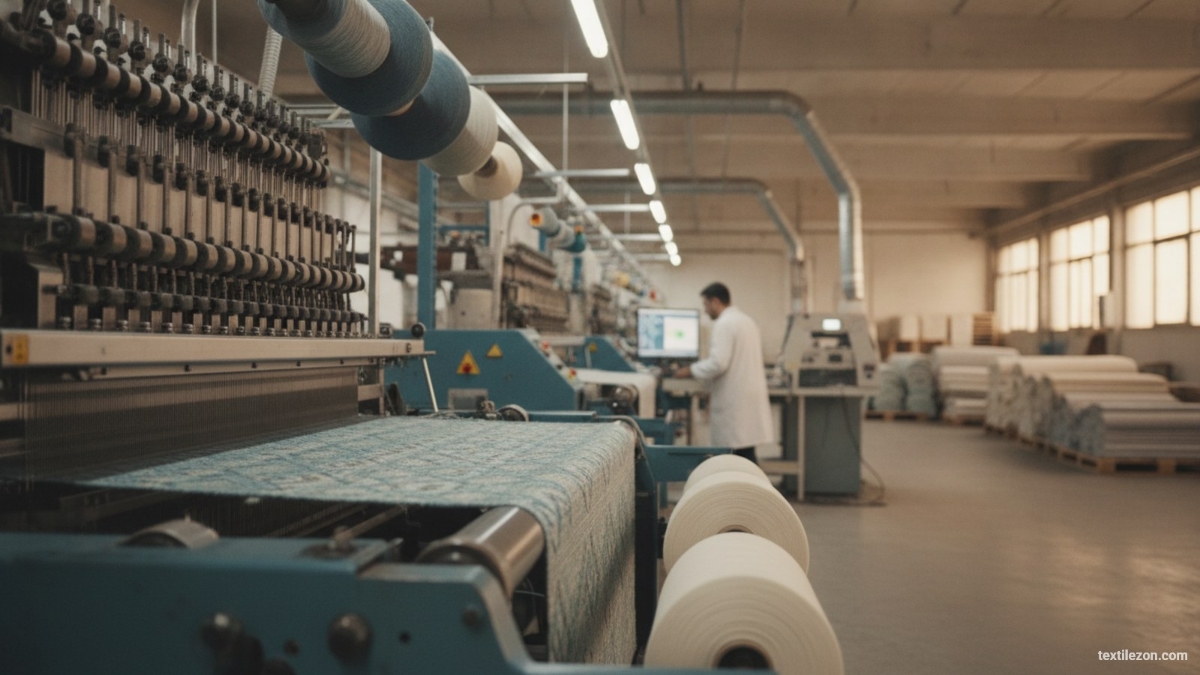
Recycled PET fibres are produced by collecting, sorting, and processing used polyethylene terephthalate bottles into textile-grade fibre. The mechanical recycling route converts cleaned bottles into flake, then into polyester staple fibre or filament yarn that standard textile machinery can process directly.
rPET retains the core performance properties of virgin polyester in most textile applications. Durability, UV resistance, and moisture management are preserved through the recycling process. For flatweave rug construction — as used in Shima — rPET delivers all required performance without the environmental footprint of virgin polyester production.
The feedstock advantage is also significant at a supply chain level. Post-consumer PET bottle collection infrastructure is established across most major markets, providing a consistent and scalable raw material base. For manufacturers, this supply chain resilience is a practical operational advantage alongside the sustainability credential.
- rPET feedstock is sourced from post-consumer plastic bottle collection streams
- Mechanical recycling preserves polyester performance properties for textile applications
- rPET fibre production supports certifications including the Global Recycled Standard (GRS)
- Established collection infrastructure supports supply chain scalability for B2B sourcing
Design and Colourway Strategy
Both Shima and Khder launch with two colourways each, selected to align with current interior design trends. Shima's Jungle and Peach options sit within the warm, earthy tone palette prominent in residential interior design across recent seasons. These tones translate effectively across both indoor and outdoor settings.
Khder's Moss and Rose colourways reference the natural landscape palette of the Atlas Mountains region, translated into the muted, nature-inspired tones favoured in contemporary home décor. This colourway approach reduces interpretation risk in the retail channel by aligning products with documented consumer preference directions.
The 1990s minimalism reference in Shima's design brief connects to a trend revival well-evidenced in both fashion and interiors in recent years. Chunky flatweave construction in neutral-adjacent tones fits naturally within this framework, extending the product's aesthetic relevance across multiple trend cycles.
B2B Sourcing Opportunities in Sustainable Rugs
Home textile importers, wholesale buyers, and private label manufacturers can use Revival Rugs' specifications as a practical sourcing benchmark. The Shima and Khder launches demonstrate that rPET flatweaves and machine washable wool rugs are commercially achievable at accessible retail price points — not only in premium segments.
Sourcing sustainable rug ranges supports ESG and sustainability reporting requirements that major retail partners are increasingly imposing on their supplier base. Products carrying recycled content credentials and natural fibre washability features reduce procurement friction in sustainability-screened sourcing processes.
B2B buyers evaluating sustainable rug sourcing should assess material certification status, care claim verification, and fibre provenance documentation as part of standard supplier due diligence. Explore more technical sourcing insights in the articles section and the Info Center at textilezon.com.
Frequently Asked Questions
What is recycled PET fibre and how is it used in rugs?
Recycled PET fibre is produced by processing post-consumer plastic bottles into polyester staple fibre or filament yarn through mechanical recycling. This fibre is then woven into rug constructions such as flatweaves. The resulting material delivers moisture resistance, mildew resistance, and durability comparable to virgin polyester, while diverting plastic waste from landfill.
Why is machine washable wool rare in the rug category?
Wool fibres have a naturally scaly surface that causes felting — irreversible fibre entanglement — when exposed simultaneously to heat, agitation, and moisture. Standard wool rugs cannot be machine washed because of this characteristic. Producing a washable wool rug requires fibre surface treatment or modified yarn construction, adding production complexity and cost that limits its market availability.
What are the B2B advantages of sourcing recycled PET rugs?
Recycled PET rugs carry verified recycled content credentials that support retail sustainability sourcing requirements and ESG reporting. rPET construction delivers inherent moisture and mildew resistance, making the product suitable for indoor-outdoor applications. This dual-use versatility extends the seasonal selling window and reduces range complexity for retail buyers.
What makes New Zealand wool suitable for premium rug construction?
New Zealand wool is valued for its fine micron count, natural resilience, and excellent dye uptake. These properties support vibrant and consistent colour, strong pile recovery after compression, and a soft tactile handle. The fibre's natural crimp contributes to the warmth and textural depth that characterise quality wool pile rugs.
What should B2B buyers verify when sourcing sustainable rugs?
Buyers sourcing recycled PET rugs should verify Global Recycled Standard (GRS) certification to confirm recycled content claims. For wool products, buyers should review fibre provenance documentation and applicable welfare or sustainability certifications. Machine washable wool claims should be supported by standardised care test results confirming performance at specified temperature and cycle parameters.
Revival Rugs' Shima and Khder collections establish that sustainable fibre choices — both recycled synthetic and performance-enhanced natural — are now commercially accessible across mid-market home textile price points. For B2B buyers and sourcing professionals, these product specifications represent a clear and practical benchmark for where material investment in the sustainable home textiles rug segment is heading.