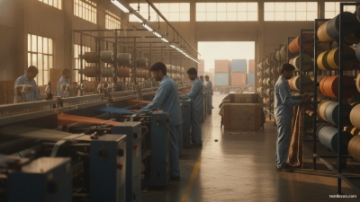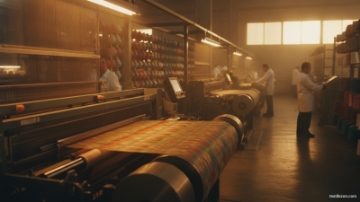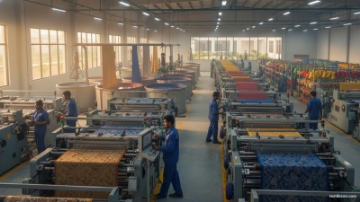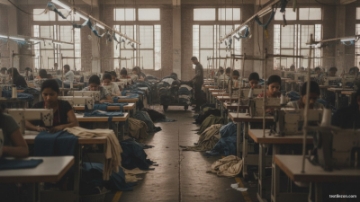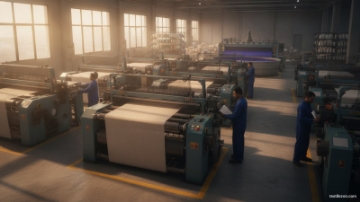
Over 250 open-end (OE) spinning mills in Tamil Nadu are threatening a cotton waste pricing standoff with the market. The Open-End Spinning Mills Association (OSMA) has warned that grey yarn manufacturers will cut production by 50% from next week unless prices fall further. The ultimatum follows the Centre's removal of an 11% import duty on cotton waste — a relief measure the industry says has not gone far enough.
Cotton Waste Pricing Pushes OE Mills to Crisis Point
OE spinning mills rely on cotton waste as their core raw material for grey yarn production. Sustained high prices have compressed margins to a level where operations are no longer viable for many mills. OSMA states that despite the duty removal, domestic cotton waste prices remain above what the sector can sustainably absorb.
The Centre's 11% import duty relief was designed to ease cost pressure by making imports more price-competitive. Yet market prices have not corrected to the extent needed, leaving mills in a precarious financial position and forcing OSMA to escalate its demands.
Scale of the Threatened Production Cut
A 50% reduction in output across more than 250 mills would deliver a significant shock to India's grey yarn supply. Tamil Nadu is one of the country's most important textile manufacturing states. OE spinning mills form a critical link in the supply chain between raw cotton processing and downstream fabric production.
OSMA has drawn a clear line: without meaningful price relief on cotton waste, production cuts will begin next week. The pace of the threatened action reflects the acute financial pressure now facing member mills across the state.
Policy Response and Industry Implications
The Centre's decision to eliminate the 11% import duty on cotton waste was a direct response to sustained industry pressure. Import duty adjustments are a standard policy tool India uses to manage raw material costs in its textile sector. However, OSMA argues that this single measure has proven insufficient to bring prices to sustainable levels.
If the production cuts proceed, the consequences will extend well beyond Tamil Nadu's OE mills. Grey yarn buyers — including fabric weavers and garment exporters — could face tighter supply and upward price pressure. Follow the latest textile news on Textilezon to track how this standoff develops.
A swift resolution — whether through further policy action or market-driven price correction — is essential to prevent lasting disruption to India's yarn supply chain and protect downstream manufacturers from input shortages.
Frequently Asked Questions
What are OE spinning mills and why do they matter to India's textile industry?
Open-end (OE) spinning mills use cotton waste to produce grey yarn, a foundational raw material for fabric and garment manufacturing. Tamil Nadu hosts a large concentration of these mills, making them a key part of India's domestic textile supply chain.
Why did the Centre remove the 11% import duty on cotton waste?
The government removed the import duty to lower raw material costs for OE spinning mills facing severe margin pressure. The policy change aimed to make imported cotton waste more price-competitive relative to domestic supplies.
What are the wider consequences if OE mills cut production by 50%?
A 50% production cut across 250+ mills would tighten grey yarn availability across India, pushing up yarn prices and disrupting supply to fabric producers and garment exporters. The impact would ripple through multiple downstream segments of the textile value chain.