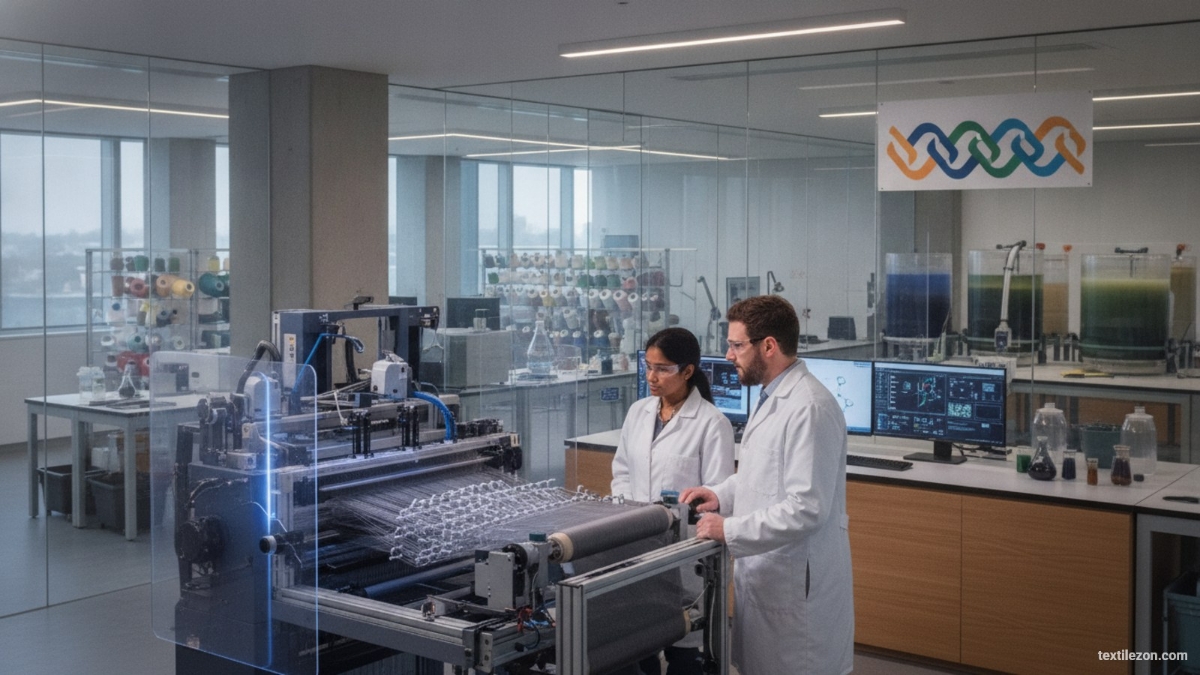
The National Science Foundation (NSF) has renewed $16 million in funding for the NSF Textile Innovation Engine, marking a significant boost for textile innovation in North Carolina. The grant could scale to $45 million over three years, positioning NC State University as a national hub for advanced textile research and manufacturing.
NSF Renews Grant for the Textile Innovation Engine
Announced on July 14, 2026, the renewed funding supports more than a dozen active projects led by NC State researchers. The NSF Textile Innovation Engine of North Carolina, powered by The Industrial Commons, launched in 2024 to strengthen textile manufacturing, build supply chain resilience, and develop next-generation technologies.
The Engine's service region spans central and western North Carolina, extending into the Appalachian regions of upstate South Carolina, eastern Tennessee, and southern Virginia. This geographic footprint reflects the historic strength of American textile production in that corridor.
Krista Walton, NC State's Vice Chancellor for Research and Innovation, highlighted the initiative's reach: "Our researchers are developing innovative solutions ranging from new wound-healing materials to embedded sensors that ensure seatbelts and load straps aren't strained to the point of failure."
Wilson College Leads 19 Active Research Projects
Researchers from NC State's Wilson College of Textiles are leading 19 of the Engine's research projects, tackling the industry's most pressing sustainability and technology challenges. Key project areas include:
- Converting used military uniforms into new yarns and fabrics
- Transforming cotton textile waste into bio-based feedstock for 3D printing
- Developing wound-healing materials from textile-based substrates
- Embedding sensors in seatbelts and load straps to detect stress failure
NC State teams are also engaged in four translation projects, collaborating directly with startup companies to bring textile technologies closer to commercial production. This industry-academia bridge is central to the Engine's operational model.
David Hinks, Dean of Wilson College of Textiles, stated that the funding "will empower the Engine and its partners to meet the challenges our industry faces with innovative advanced manufacturing solutions that benefit all."
AI, Robotics, and Workforce at the Core of the Next Phase
The Engine's next three-year cycle will focus on three strategic pillars: connecting research to real-world production, integrating AI and robotics to support manufacturers, and building the skilled workforce needed to compete globally. Engine CEO Anne Wiper confirmed this as the initiative's forward roadmap.
The Industrial Commons, a non-profit with deep regional and sectoral expertise, coordinates between research institutions, manufacturers, and government agencies. For B2B professionals tracking textile news, this initiative demonstrates how public funding is actively reshaping the sector's technological trajectory.
The renewed NSF commitment reflects strong federal confidence in textile research as a driver of U.S. economic competitiveness. Advanced manufacturing roles created through this initiative are expected to represent entirely new occupational categories within the textile industry.
Frequently Asked Questions
What is the NSF Textile Innovation Engine?
The NSF Textile Innovation Engine is a research initiative powered by The Industrial Commons, a non-profit organization launched in 2024. It supports textile manufacturing innovation, supply chain resilience, and next-generation technology development across North Carolina and neighboring Appalachian states.
How much total funding has NSF committed to this initiative?
NSF has renewed $16 million in grant funding for the Engine. The total commitment could reach up to $45 million over three years, depending on ongoing performance and research milestones.
What types of projects does the Textile Innovation Engine support?
The Engine funds both research and translation projects. Research areas include wound-healing textile materials, embedded structural sensors, military uniform recycling into new yarns, and cotton waste conversion into bio-based 3D printing feedstock. Translation projects connect NC State researchers with startup companies to accelerate commercialization of these technologies.
The NSF Textile Innovation Engine's renewed funding positions North Carolina as a leading center for advanced textile research, with direct implications for manufacturers, suppliers, and the broader global textile supply chain.