Import duty on man-made fibre textiles is at the center of a critical trade policy debate in India's knitwear capital. Ludhiana's knitwear manufacturers are demanding urgent government action to curb the rising influx of Chinese MMF textile imports. The industry warns that without stronger tariff protection, thousands of MSME units face an increasingly uneven competitive landscape.
Ludhiana: India's Knitwear Manufacturing Hub
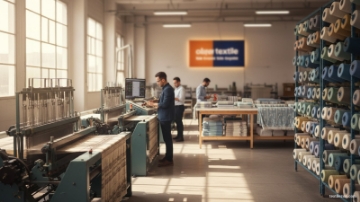
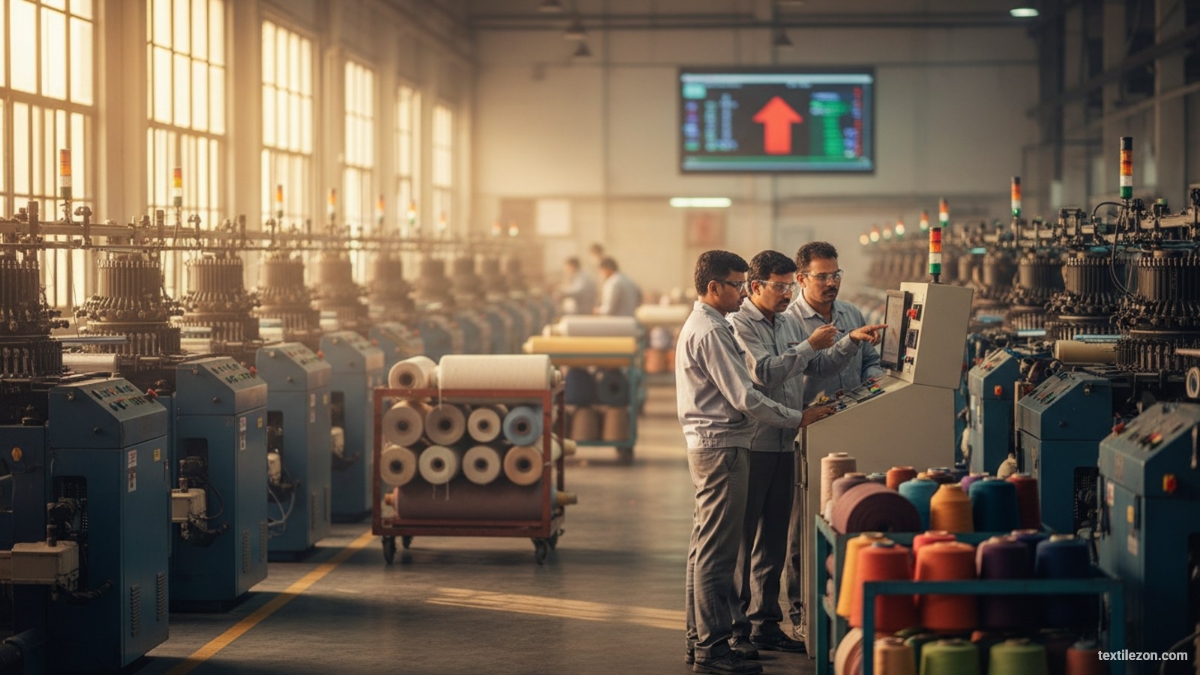
Ludhiana, located in Punjab, India, stands as one of the country's most significant knitwear production centers. The city hosts approximately 5,000 knitwear manufacturing units, with the vast majority operating in the MSME (Micro, Small and Medium Enterprises) sector.
These businesses form the backbone of Ludhiana's textile economy, producing knitted garments and fabrics for both domestic and export markets. MSME knitwear units employ thousands of skilled workers and represent a significant share of Punjab's manufacturing output.
Rising Chinese Imports Disrupt Local MSME Manufacturers
Manufacturers across Ludhiana report a sharp rise in man-made fibre textile imports from China, entering India at prices domestic producers struggle to match. The influx of low-cost Chinese MMF products is eroding the market position of local knitwear units.
Smaller MSME units are hit hardest, lacking the production scale needed to absorb intense price competition. Industry stakeholders report that the trend is already disrupting local production planning and discouraging investment in new manufacturing capacity.
For the latest textile trade updates, visit the textile news section on Textilezon.
Industry Calls for Higher Import Duty on Man-Made Fibres
Ludhiana-based knitters are formally urging India's government to raise the import duty on man-made fibre textiles. Higher tariffs would reduce the price advantage that Chinese MMF imports currently hold over domestically produced goods.
The demand is part of a broader effort by Indian textile stakeholders to secure greater protection against subsidized foreign exports. A stronger duty structure would give Ludhiana's approximately 5,000 MSME knitwear units the breathing room to stabilize operations and invest in growth.
Key outcomes the industry seeks from higher import duties:
- Reduced price pressure from low-cost Chinese man-made fibre textile imports
- Greater domestic demand for Indian-produced MMF yarns, fabrics, and finished goods
- Improved operational viability for Ludhiana's MSME knitwear manufacturing base
- Support for India's broader domestic manufacturing and export growth agenda
Frequently Asked Questions
Why are Ludhiana knitters seeking higher import duty on man-made fibres?
Rising imports of low-cost man-made fibre textiles from China are undercutting Ludhiana's local MSME manufacturers. The industry is calling for higher import duties to restore competitive balance and protect domestic producers from subsidized foreign goods.
How many knitwear units operate in Ludhiana?
Ludhiana's knitwear sector comprises approximately 5,000 manufacturing units. Most operate in the MSME category, making them the cornerstone of Punjab's knitwear manufacturing economy and a critical source of skilled employment.
What would higher MMF import duties mean for India's textile industry?
Higher import duties on man-made fibre textiles would reduce competitive pressure from Chinese imports, boost domestic MMF demand, and improve financial stability for India's MSME knitwear manufacturers. The policy change would strengthen India's position as a competitive, self-reliant textile producer.