Carbon capture is emerging as one of the most transformative technologies in sustainable manufacturing. US biotech company LanzaTech has announced a partnership with Danish researchers to construct an AI-enabled biofoundry in Denmark, aimed at converting industrial CO2 emissions into innovative new materials.
A Strategic Partnership in Green Innovation
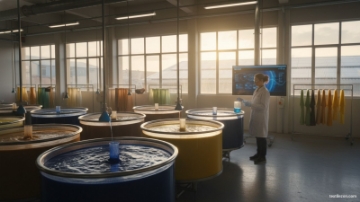
LanzaTech, a US-based industrial biotechnology firm, is teaming up with Danish research institutions to establish a state-of-the-art biofoundry. The facility will leverage artificial intelligence to optimize biological processes that transform waste CO2 into valuable materials.
Denmark has established itself as a global hub for green research and sustainable technology. Combining LanzaTech's proven expertise with Denmark's strong academic infrastructure creates a powerful foundation for this next-generation carbon capture initiative.
AI-Enabled Biofoundry: What It Means
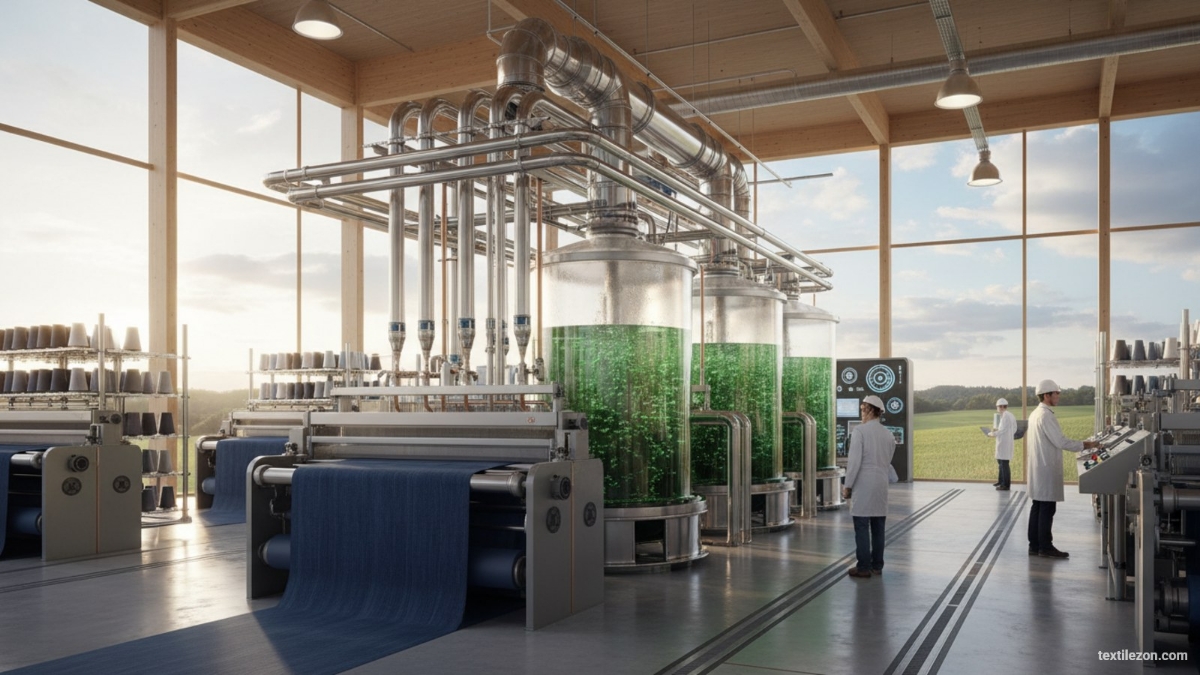
A biofoundry is a facility that uses biological systems — typically engineered microorganisms — to produce chemicals and materials at scale. The AI-enabled design accelerates the discovery and optimization of these biological processes, making carbon capture more efficient and commercially viable.
LanzaTech's core technology uses microbes that consume carbon-rich gases, including industrial CO2, and convert them into useful outputs. In the Danish facility, CO2 emissions that would otherwise enter the atmosphere will serve as the primary feedstock.
This approach embodies circular economy principles, turning a greenhouse gas into a productive raw material. It represents a significant shift in how manufacturers approach both carbon reduction and material sourcing simultaneously.
Carbon Capture and the Textile Supply Chain
The textile sector is under increasing pressure to decarbonize its supply chain. Innovations in bio-based and carbon-captured materials offer manufacturers a viable route to lower-emission inputs without sacrificing performance.
LanzaTech has previously collaborated with major apparel brands and chemical companies, demonstrating that CO2-derived materials can meet commercial standards. The new Danish biofoundry expands this capability, potentially widening access to sustainable material alternatives for B2B buyers worldwide.
Carbon capture-based production is transitioning from proof-of-concept to commercial reality. Textile manufacturers that engage with these developments early will be better positioned to meet tightening sustainability targets and evolving buyer expectations. Follow the latest updates in the Info Center to track how carbon capture technologies are reshaping global supply chains.
Frequently Asked Questions
What is LanzaTech?
LanzaTech is a US-based industrial biotechnology company specializing in gas fermentation technology. It converts carbon-rich waste gases — including CO2 from industrial sources — into chemicals, fuels, and materials using engineered microorganisms.
What will the Danish biofoundry produce?
The facility is designed to convert industrial CO2 emissions into new materials. While specific product details have not been disclosed, LanzaTech's technology platform is capable of producing a range of chemicals and bio-based materials relevant to textiles and other industries.
Why does this matter for the textile industry?
The textile industry relies heavily on petrochemical-derived synthetic fibers and chemicals. Carbon capture-based materials offer a lower-emission alternative, helping brands and manufacturers meet growing sustainability commitments and regulatory demands.