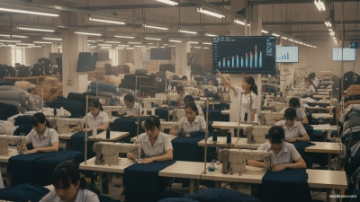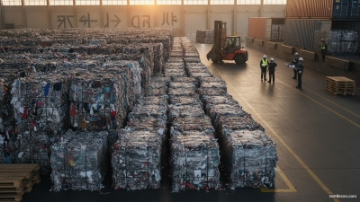
The Digital Product Passport (DPP) is set to transform global apparel trade from mid-2028. The European Union has made the Digital Passport a mandatory requirement for textile and garment products entering the bloc. Vietnam's textile industry, one of Asia's leading exporters to Europe, now faces a critical compliance deadline.
The EU's DPP regulation forms part of the broader Ecodesign for Sustainable Products Regulation (ESPR). It requires manufacturers to embed comprehensive product data — covering materials, supply chain origins, environmental impact, and recyclability — into a machine-readable digital record. This record travels with the product throughout its entire lifecycle.
What the EU Digital Product Passport Demands
Under the EU's mandatory roadmap, all apparel products sold in the European market must carry a Digital Product Passport from mid-2028. This passport functions as a comprehensive data layer attached to every garment. It must include information on raw material sourcing, production processes, chemical content, and end-of-life disposal options.
Non-compliant products will be blocked from entering the EU market. This makes DPP readiness a business-critical requirement, not an optional compliance upgrade. The regulation targets full transparency across the entire supply chain — from fibre production to finished garment.
- Material origin and composition data
- Manufacturing location and process records
- Chemical substance declarations
- Carbon footprint and environmental metrics
- Repairability and recyclability information
Vietnam's Textile Sector Compliance Challenge
Vietnam's textile and garment industry exports significant volumes of apparel to the EU each year, making European market access strategically vital for the sector. However, the industry's current data systems are not built to support DPP requirements. Most manufacturers rely on traditional production records that lack the digital integration needed for real-time data sharing.
Building the data infrastructure required for DPP compliance will demand investment in enterprise software, supply chain digitization, and staff training. Smaller factories face the greatest challenge due to limited IT budgets and technical capacity. With thousands of SME suppliers across Vietnam's textile supply chain, the 2028 deadline leaves limited runway for preparation.
The DPP also signals a broader shift toward sustainable textile trade. Europe is using regulatory tools to drive environmental accountability across global supply chains. Vietnam's industry associations and government bodies are expected to play a key role in supporting SME exporters through this transition.
Preparing Your Textile Business for 2028
Vietnamese manufacturers and exporters should begin by auditing their current supply chain data capabilities. Identifying gaps early allows businesses to prioritize investments and avoid costly last-minute compliance scrambles. The EU is expected to publish detailed DPP technical standards in phases leading up to 2028, making early engagement essential.
Key preparation steps for Vietnam's textile exporters include:
- Map your full supply chain from raw fibre to finished garment
- Identify data collection points across all production stages
- Evaluate digital systems capable of generating DPP-compliant records
- Engage with EU buyers and brands early to align on data standards
- Monitor EU DPP technical specifications as they are finalized
Vietnam's textile and garment sector must treat the 2028 DPP mandate as a strategic priority. Exporters who invest in digital infrastructure today will secure a lasting competitive advantage in the EU market. For the latest updates on EU textile regulations, visit the textilezon.com Info Center.
Frequently Asked Questions
What is the EU Digital Product Passport for textiles?
The EU Digital Product Passport (DPP) is a mandatory data record that must accompany apparel and textile products sold in the European market from mid-2028. It covers material origins, production processes, environmental impact, and recyclability to ensure full supply chain transparency.
When does DPP compliance become mandatory for Vietnam textile exporters?
The EU has set mid-2028 as the implementation date for the Digital Product Passport in the apparel sector. Vietnamese exporters targeting the EU market must have compliant data systems in place before this deadline to maintain uninterrupted market access.
How should Vietnamese textile manufacturers prepare for DPP requirements?
Manufacturers should start by auditing supply chain data systems, mapping all production stages, and identifying digital infrastructure gaps. Early engagement with EU buyers and timely investment in data management tools are critical first steps toward achieving DPP readiness.