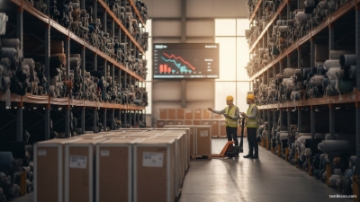
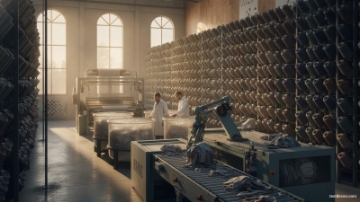
The fashion industry faces a growing climate risk crisis that is reshaping how brands manage their global supply chains. From sweltering factory floors in South and Southeast Asia to flood-ravaged sourcing hubs, the physical consequences of climate change are disrupting production today — not in distant projections. As the industry races to scale recycling solutions, shifting regulatory signals from Europe add new uncertainty heading into 2026.
Heat and Flooding Threaten Fashion's Global Supply Chain
Fashion's most vulnerable production regions now sit on the front lines of climate change. Workers in garment factories across major sourcing countries face dangerously high temperatures that erode productivity and threaten worker health. Heat stress on factory floors is rapidly becoming a year-round operational risk rather than a seasonal concern.
Flooding compounds the disruption. Key sourcing hubs are concentrated in low-lying coastal and river delta regions that are increasingly exposed to extreme weather events. When floods strike, raw material shipments stall, factories shut down, and delivery timelines collapse. B2B buyers dependent on predictable lead times carry direct exposure to these mounting risks.
Recycling Initiatives Aim to Address the Waste Problem
The fashion industry's waste and emissions challenge is substantial, and new recycling initiatives are racing to meet its scale. Brands and manufacturers are channeling investment into fiber-to-fiber recycling, chemical recycling processes, and take-back programs designed to divert textile waste from landfills.
Scaling these programs to industrial capacity remains a formidable barrier. Most textile recycling technologies still face significant hurdles: fiber blends, chemical contamination, and high processing costs limit throughput. Supply chain actors — from raw material suppliers to finished goods manufacturers — must invest in new infrastructure before circular models can operate at meaningful scale.
Europe's Regulatory Shift Raises Questions for 2026
European policy has been a primary driver of sustainability action across global fashion supply chains. Extended Producer Responsibility frameworks, Ecodesign Regulation requirements, and mandatory due diligence rules have pressured brands to measure and reduce their environmental footprints throughout sourcing networks.
Emerging signs of regulatory easing in Europe now complicate the picture as political priorities shift. For B2B suppliers and manufacturers, this creates mixed signals — reduced brand pressure on sustainable sourcing could slow the pace of reform across the supply chain. Professionals tracking fashion developments through sources like our textile news section should monitor European policy closely to anticipate how the regulatory landscape evolves heading into 2026.
Frequently Asked Questions
What climate risks most directly affect fashion supply chains?
Heat stress on factory workers and flooding in key sourcing regions represent the most immediate physical climate risks. These disruptions reduce production capacity, delay shipments, and raise operational costs for manufacturers and their B2B buyers.
How are fashion brands responding to the industry's waste and emissions problem?
Brands are investing in fiber-to-fiber recycling, chemical recycling technologies, and take-back initiatives to divert textile waste from landfills. Scaling these solutions to match the full volume of industry waste remains the central challenge for the sector.
How does European regulatory policy affect global fashion suppliers?
European sustainability regulations set standards that ripple through global supply chains, pressuring brands to require greener sourcing from manufacturers worldwide. Any easing of these regulations risks reducing that pressure and slowing industry-wide progress on climate commitments.
The convergence of physical climate risks, waste management challenges, and regulatory uncertainty positions 2026 as a defining year for fashion supply chain sustainability. B2B stakeholders — from manufacturers to procurement teams — must build climate resilience into their sourcing strategies independent of how European policy evolves. Supply chain actors that adapt proactively will be better positioned to maintain reliability and competitiveness in an increasingly climate-constrained global market.