The search for sustainable alternatives to conventional hygiene products has turned the spotlight on natural fibers as a viable feedstock for biodegradable sanitary napkins. Research conducted by Karthi Krishna and Dr. K.R. Nandagopal at the Department of Textile Technology examines how natural fiber materials can be engineered into functional, eco-friendly feminine hygiene products. This work bridges fiber science, nonwoven manufacturing, and sustainability — offering a technical foundation for B2B textile manufacturers looking to enter the hygiene sector.
- The Environmental Case for Biodegradable Sanitary Napkins
- Natural Fibers as Sustainable Feedstock
- Structural Design of Biodegradable Sanitary Napkins
- Development and Manufacturing Process
- Performance Evaluation Parameters
- Industry Implications for B2B Textile Manufacturers
- Frequently Asked Questions
- Key Takeaways for Textile Professionals
The Environmental Case for Biodegradable Sanitary Napkins
Conventional sanitary napkins are primarily composed of synthetic polymers, including polyethylene backsheets and petroleum-derived superabsorbent polymers (SAP). These materials deliver functional performance but create severe end-of-life challenges. A typical synthetic sanitary napkin can take hundreds of years to decompose in a landfill environment.
The global feminine hygiene products market generates enormous volumes of non-biodegradable waste annually. Regulatory bodies across multiple markets are introducing restrictions on single-use plastic hygiene articles. Brands face simultaneous pressure from sustainability-focused procurement teams, accelerating investment in biodegradable alternatives sourced from natural fiber feedstocks.
For fiber processors, nonwoven manufacturers, and raw material suppliers, this transition represents a structural shift in demand. Natural fiber-based hygiene materials are advancing from niche academic research into early-stage commercial development, creating new supply chain opportunities throughout the textile value chain.
Natural Fibers as Sustainable Feedstock
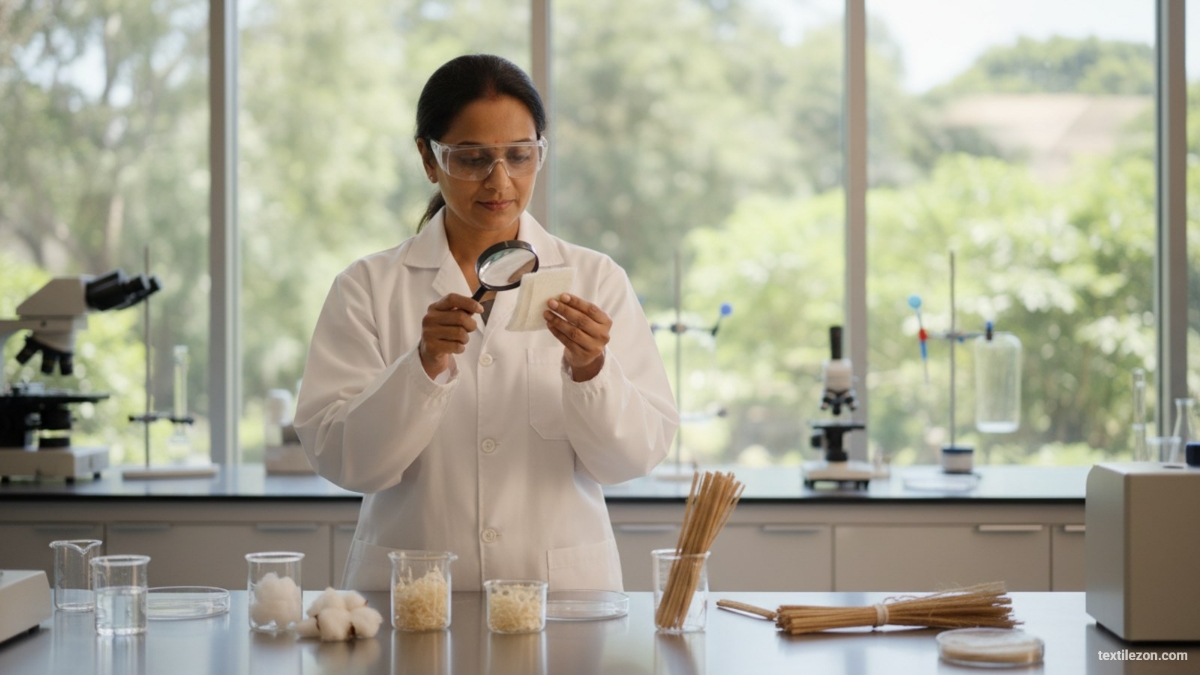
Selecting the right natural fibers is the foundational step in biodegradable sanitary napkin development. Fiber properties — including absorbency, tensile strength, biodegradation rate, and skin compatibility — determine material suitability for specific product layers. Research by Karthi Krishna and Dr. K.R. Nandagopal evaluates multiple fiber types to identify optimal material combinations for functional hygiene products.
Cotton Fibers
Cotton is the most established natural fiber in hygiene product manufacturing. Its cellulosic structure delivers high moisture absorption, and its soft hand feel makes it ideal for topsheet applications where skin contact is continuous. Cotton is hypoallergenic and compatible with dermatological standards required for intimate hygiene products.
Organic cotton, grown without synthetic pesticides, provides additional sustainability credentials for brands targeting eco-conscious consumers. Textile manufacturers with cotton processing infrastructure — ginning, opening, and carding capabilities — are well positioned to supply certified cotton nonwovens to hygiene product converters.
Bamboo Fibers
Bamboo fiber offers a compelling combination of natural antimicrobial properties, rapid biodegradation, and soft texture. The plant-derived antimicrobial agent bamboo kun inhibits bacterial growth — a functional advantage in hygiene applications. Bamboo reaches harvestable maturity in three to five years, making it a highly renewable raw material source.
Viscose derived from bamboo cellulose pulp is widely used in spunlace nonwoven production for hygiene topsheets. The resulting fabric exhibits a balance of softness and tensile stability suitable for sanitary napkin layer construction.
Banana, Jute, and Other Cellulosic Fibers
Banana fiber extracted from the banana plant pseudostem offers high cellulose content and reasonable absorbency characteristics. Jute provides a widely available, cost-effective cellulosic feedstock with well-established processing infrastructure across South Asia. Both fibers are under active academic investigation as alternative natural fiber sources for hygiene product development.
These secondary fiber types are particularly relevant for manufacturers in textile-producing regions where agricultural byproducts are abundant and processing costs are competitive. They represent viable feedstock diversification options for suppliers seeking to differentiate their hygiene material portfolios.
Structural Design of Biodegradable Sanitary Napkins
The structural architecture of a biodegradable sanitary napkin requires each layer to fulfill a distinct functional role. Engineering all layers from natural, biodegradable materials simultaneously is the central design challenge in this field. The research by Karthi Krishna and Dr. K.R. Nandagopal addresses material selection and layer configuration for each structural component.
A standard sanitary napkin comprises three primary functional layers:
- Topsheet: The skin-contact layer. Must be soft, permeable to fluids, and non-irritating. Cotton or bamboo spunlace nonwovens are the preferred natural fiber candidates for this layer.
- Absorbent Core: The central fluid retention layer. Biodegradable alternatives to SAP-based cores include natural cellulosic pulp batting, cotton fiber pads, and plant-derived modified superabsorbents.
- Backsheet: The outer liquid barrier layer. This is the most technically challenging layer to replace with biodegradable material. Polylactic acid (PLA) bioplastic films or coated natural fabrics are the primary candidates for compostable backsheet solutions.
Achieving full-product biodegradability requires all three layers to degrade within a practical timeframe under soil or controlled composting conditions. The backsheet remains the greatest engineering difficulty, as liquid impermeability demands polymer film technology that must be sourced from bio-based, compostable material families.
Development and Manufacturing Process
Manufacturing biodegradable sanitary napkins from natural fiber feedstocks involves sequential fiber processing, web formation, and product assembly stages. Each stage requires careful process control to ensure consistent material properties across production runs. Nonwoven fabric production is the primary manufacturing pathway for all functional hygiene product layers.
Nonwoven Fabric Production from Natural Fibers
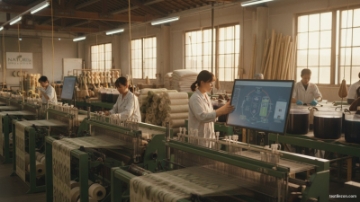
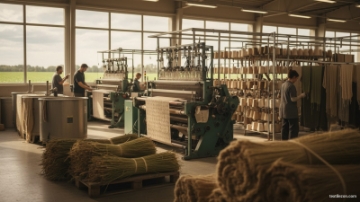
Raw natural fibers undergo opening, cleaning, and carding to form a uniform fiber web. This web is then consolidated through bonding — thermally, chemically, or via hydroentanglement. Hydroentanglement (spunlace) processing is particularly suited to natural fiber topsheet production, bonding fibers mechanically with high-pressure water jets without the chemical binders that would compromise biodegradability.
Airlaid technology is commonly used for absorbent core production, distributing cellulosic pulp or staple fibers uniformly across the web cross-section. The resulting airlaid pad provides a high-surface-area structure optimized for fluid absorption and retention during use.
Assembly and Finishing
Individual layers are laminated and assembled using hot-melt bioadhesives or mechanical bonding methods compatible with natural materials. The assembled napkin is die-cut to shape, embossed for structural integrity, and individually packaged using biodegradable wrapper materials. Consistent quality control across each assembly stage is essential to meeting hygiene product safety and performance standards in regulated markets.
Performance Evaluation Parameters
Rigorous performance testing validates that natural fiber-based sanitary napkins meet functional requirements comparable to conventional synthetic products. Academic research frameworks evaluate both in-use performance and post-disposal biodegradability. These evaluation protocols align with international standards for hygiene product testing and provide the data needed for commercial product development decisions.
Core performance parameters evaluated in biodegradable sanitary napkin research include:
- Absorption Capacity: Total fluid volume absorbed, measured in grams per gram of material. Determines product efficacy across varying flow intensities.
- Rewet Value: Volume of fluid returning to the surface under applied pressure. Low rewet is essential for maintaining skin dryness and user comfort.
- Tensile Strength: Mechanical integrity of bonded nonwoven layers under stress. Natural fiber nonwovens must maintain structural stability throughout the product use cycle.
- Biodegradation Rate: Measured via standardized soil burial or controlled composting tests. Quantifies decomposition speed relative to conventional synthetic product benchmarks.
- pH Compatibility: Confirms materials remain within a skin-compatible pH range to minimize irritation risk in sensitive-use hygiene applications.
- Skin Compatibility: Dermatological assessment of topsheet materials for allergenicity and irritation potential in intimate skin contact use.
Comparative testing against commercially available synthetic napkins establishes the performance gap between natural fiber prototypes and incumbent products. This data guides iterative material selection and design improvements toward commercially viable, fully biodegradable formulations.
Industry Implications for B2B Textile Manufacturers
The shift toward biodegradable hygiene products creates concrete market entry opportunities for textile fiber processors, nonwoven manufacturers, and raw material suppliers. The feminine hygiene sector is a high-volume global market with a growing premium segment driven by sustainability demand. Suppliers who provide certified natural fiber nonwovens — particularly cotton spunlace and bamboo viscose fabrics — are positioned to serve brands seeking traceable, biodegradable raw material inputs.
Research such as the work of Karthi Krishna and Dr. K.R. Nandagopal provides the technical validation that commercial manufacturers need to justify product development investment. For supply chain professionals exploring related fiber and manufacturing topics, the articles section of the textilezon.com Info Center offers a broad range of in-depth technical resources.
Key strategic considerations for manufacturers targeting this market opportunity:
- Obtain organic and sustainable fiber certifications such as GOTS and OEKO-TEX Standard 100
- Develop or partner with nonwoven producers using spunlace or airlaid technology for hygiene-grade material supply
- Build direct relationships with hygiene product brand owners and private label converters
- Understand regulatory requirements for hygiene product safety and intimate contact material standards in target markets
- Explore PLA and bioplastic film supplier partnerships to address backsheet material requirements
Frequently Asked Questions
What natural fibers are most suitable for biodegradable sanitary napkin manufacturing?
Cotton and bamboo are the most widely researched and commercially viable options for biodegradable sanitary napkins. Cotton delivers high absorbency, hypoallergenicity, and softness for topsheet applications. Bamboo provides natural antimicrobial properties and fast biodegradation, while banana fiber and jute offer cost-effective alternative feedstocks for manufacturers in agricultural fiber-producing regions.
What performance tests are applied to biodegradable sanitary napkins in academic research?
Core tests include absorption capacity, rewet value, tensile strength, biodegradation rate, pH compatibility, and skin compatibility assessment. These evaluate whether natural fiber-based products meet functional requirements comparable to conventional synthetic napkins. Results are benchmarked against commercial products to identify performance gaps and direct design improvements.
What is the primary technical challenge in creating fully biodegradable sanitary napkins?
The backsheet layer presents the greatest engineering challenge. Natural fibers alone cannot provide the liquid impermeability that synthetic polymer films deliver. Bioplastic alternatives such as polylactic acid (PLA) films offer a viable path, but sourcing compostable, certified bioplastic backsheet materials at commercial scale remains a supply chain constraint for manufacturers.
How does bamboo fiber compare to cotton for hygiene product applications?
Bamboo fiber offers natural antimicrobial properties that cotton does not inherently possess, providing a functional advantage in hygiene applications. Cotton generally delivers superior absorbency and is available in certified organic grades with established global supply chains. Both fibers are used in biodegradable hygiene products, often in complementary layer configurations that combine their respective strengths.
How can textile fiber suppliers enter the biodegradable hygiene products supply chain?
Suppliers should obtain sustainability certifications such as GOTS and OEKO-TEX, develop spunlace or airlaid nonwoven production capabilities, and establish direct relationships with hygiene product converters and brand manufacturers. Understanding regulatory and testing requirements for hygiene products in each target market is essential before committing to supply chain investment in this sector.
Key Takeaways for Textile Professionals
Natural fiber-based biodegradable sanitary napkins represent a technically achievable and commercially significant product category at the intersection of fiber science, nonwoven manufacturing, and sustainable hygiene. Cotton, bamboo, and cellulosic alternative fibers deliver the functional properties needed across all product layer applications, with academic research steadily advancing performance toward commercial benchmarks.
- Natural fibers — cotton, bamboo, banana fiber, and jute — are viable alternatives to petroleum-derived synthetics across all primary hygiene product layers
- Hydroentanglement and airlaid nonwoven technologies are the preferred production pathways for converting natural fibers into hygiene-grade materials
- The backsheet remains the primary engineering challenge, requiring bioplastic or bio-coated film solutions for full product biodegradability
- B2B textile manufacturers with fiber processing and nonwoven capabilities have direct market entry pathways into the growing biodegradable hygiene sector
The research of Karthi Krishna and Dr. K.R. Nandagopal advances the scientific foundation supporting commercial investment in natural fiber hygiene products. Textile manufacturers and fiber suppliers who build certified, traceable natural fiber capabilities today will hold durable competitive advantages as sustainability requirements become standard across global hygiene supply chains.